
You step out onto your patio, and the pool looks like a sparkling blue diamond. The sun is reflecting off the surface, and the water is so clear you can see a coin at the bottom of the deep end. You dive in, expecting a refreshing swim, but something is wrong. Your eyes start to sting, your skin feels itchy and tight, or perhaps the water feels thick or sticky against your skin.
This is a common mystery for many pool owners. We are taught that clear water equals clean water, but in the world of pool chemistry, looks can be deceiving. Just because you can see through the water doesn’t mean the water is balanced or healthy.
The Difference Between Clarity and Chemistry
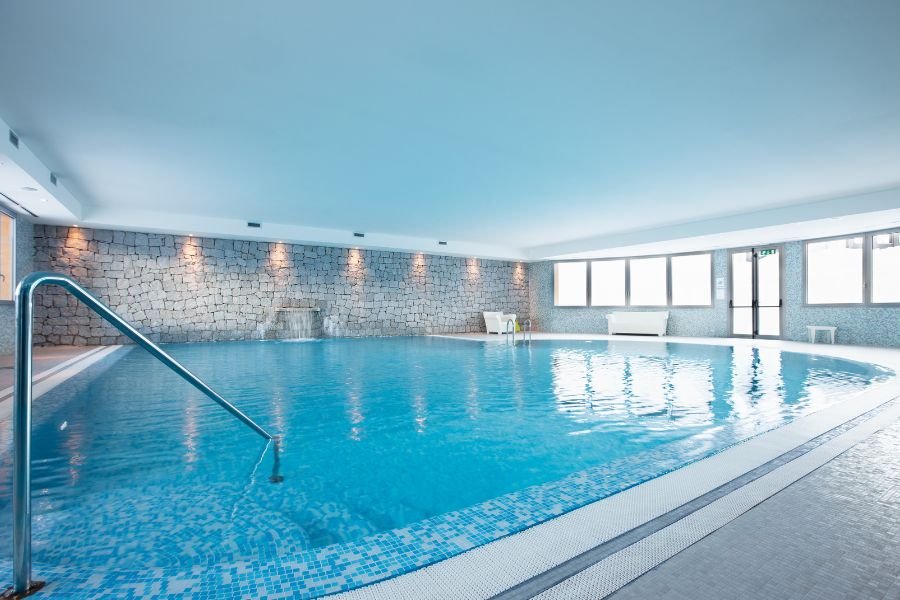
Before we look at the specific causes, it is important to understand one thing: clarity is about filtration, while comfort is about chemistry.
If your filter is working well, it will remove dirt, hair, and debris, making the water look transparent. Modern filters, like those using high-quality sand or cartridges, are excellent at polishing the water until it shines. However, the filter is a mechanical tool; it cannot remove dissolved chemicals, salts, or imbalanced pH levels.
Imagine a glass of water filled with dissolved salt and lemon juice. It looks clear, right? But you wouldn’t want to jump into a giant tank of it. You can have crystal-clear water that is actually very acidic or filled with dead chlorine.
1. The "Chlorine Smell" and Stinging Eyes (Chloramines)
Most people think that if a pool smells strongly of chlorine or makes their eyes red, there is too much chlorine in the water. Surprisingly, it is usually the opposite. You likely need more chlorine to fix the problem.
When active chlorine mixes with sweat, body oils, and nitrogen (from swimmers), it creates something called chloramines. These are also known as combined chlorine.
- Active Chlorine: This is the good chlorine that is free to move around and kill germs.
- Chloramines: This is used-up chlorine. It is no longer cleaning the pool; it is just sitting there.
Chloramines are responsible for that harsh chemical smell and the irritation on your skin and eyes. Even if the water looks clear, a high level of chloramines makes the swimming experience very unpleasant. It creates a heavy atmosphere around the pool surface that can even make it hard to take a deep breath.
2. The pH Rollercoaster
The pH level of your pool is a measure of how acidic or basic the water is on a scale of 0 to 14. To keep swimmers comfortable, we aim for a sweet spot. The human eye and skin have a natural pH of about 7.4. If your pool water is too far away from this number, your body will feel it immediately.
Low pH (Acidic Water): If the pH is below 7.2, the water becomes aggressive. It starts looking for minerals to eat. While it might stay clear, it will cause a burning sensation in your nose and eyes. Over time, acidic water is a silent killer for your pool equipment, eating away at metal heaters and rubber seals.
High pH (Basic Water): If the pH is above 7.8, the water can feel slippery or slimy on your skin. High pH also makes your chlorine lazy. At a high pH, chlorine is much less effective at killing bacteria. You might think the water is safe because it’s clear, but germs could be lingering because the pH is blocking the chlorine from doing its job.
3. Total Dissolved Solids (TDS)

Imagine adding a spoonful of salt to a glass of water and stirring it. The salt disappears, and the water looks clear. Now imagine adding 50 more spoons of salt. Eventually, the water will feel heavy, hard, or sticky against your skin.
In a pool, Total Dissolved Solids (TDS) represent the sum of everything that has ever dissolved in the water. This includes:
- Leftover chemicals and salts
- Minerals from tap water
- Dust and environmental pollutants
- Body oils and skin cells
When TDS levels get too high (usually over 2,000 ppm), the water loses its sparkle in terms of how it feels. It feels old, dull, and thick. At this stage, chemical reactions become unpredictable, and it becomes much harder to keep the water balanced.
Quick Comparison: What Your Water is Telling You
| What You Feel | What It Looks Like | Likely Cause | The Simple Fix |
|---|---|---|---|
| Stinging eyes / Strong smell | Crystal Clear | High Chloramines | Shock the pool to burn off used chlorine. |
| Itchy skin / Burning nose | Clear | Low pH (Acidic) | Add a pH increaser (soda ash). |
| Slippery skin / Scale on tiles | Slightly Cloudy or Clear | High pH (Basic) | Add a pH Reducer (Muriatic Acid). |
| Sticky skin / Dry hair | Clear but heavy | High TDS / Hard Water | Drain a portion of the water and refill. |
| Slimy walls or floor | Clear | Early-Stage Algae | Brush the walls and check phosphate levels. |
4. Calcium Hardness: The Texture of Water
Calcium is a mineral naturally found in almost all water sources. In a pool, it dictates the hardness of the water.
- Soft Water (Low Calcium): If your calcium levels are too low, the water becomes hungry. It will literally try to soak up calcium from the pool’s plaster, grout, or stone. This can make the water feel slightly slimy or grabby.
- Hard Water (High Calcium): High calcium hardness makes the water feel crispy or rough. You might notice white, crusty flakes (scale) forming around the waterline. This mineral buildup makes it hard for soaps and shampoos to rinse off your skin, leaving you feeling itchy after you dry off.
5. Total Alkalinity: The "Bodyguard"
Total alkalinity is often confused with pH, but they are different. Think of alkalinity as a shield for your pH. It prevents the pH from swinging wildly up and down when it rains or when people jump in.
If your alkalinity is low, your pH will bounce, leading to inconsistent water feel. One day it feels fine; the next day it burns your eyes. This instability is a major reason why pool owners feel like they are constantly fighting their water. Keeping alkalinity in the 80–120 ppm range ensures the water stays soft and predictable.
How to Fix "Off" Water: A Step-by-Step Guide

If your pool water looks great but feels bad, it’s time to take action. Don’t just keep throwing more of the same chemicals in; follow these steps:
Step 1: Test Beyond the Basics
Most basic test kits only check for free chlorine and pH. To solve the mystery of uncomfortable water, you need a professional-grade test or a trip to a pool store. You must check for:
- Combined Chlorine: To see if chloramines are the problem.
- Cyanuric Acid (CYA): If this is too high, your chlorine won’t work.
- Calcium Hardness: To check for hard water issues.
- TDS: To see if the water is simply worn out.
Step 2: The Power of the Shock
If the issue is chloramines (that classic pool smell), you need to perform breakpoint chlorination. This means adding a large dose of chlorine to break the chemical bonds of the chloramines. This effectively resets the water. Pro Tip: Always shock the pool in the evening. The sun’s UV rays eat chlorine for breakfast, so doing it at night gives the chemical more time to work.
Step 3: Check Your Filtration Cycles
Clear water needs a lot of movement. Even if the water looks clear, you might not be running your pump long enough to remove microscopic irritants. For the best-feeling water, the entire volume of the pool should pass through the filter at least once or twice a day. If you have a variable speed pump, running it at a lower speed for longer hours is more effective than a short, high-speed blast.
Step 4: Fresh Water Injection (The Dilution Solution)
Sometimes, the water is just full. Chemicals, salt, and minerals build up over years until the water can’t hold any more. If your TDS or cyanuric acid levels are off the charts, no amount of chemical balancing will make the water feel new again. The best solution is to drain about 20% of your pool and refill it with fresh water. This dilutes the old contaminants and instantly makes the water feel lighter and more refreshing.
Conclusion: Get Your Perfect Swim Back
We believe your backyard should be a place of total relaxation, not a source of itchy skin or red eyes. While clear water is a great start, the secret to a truly refreshing swim lies in the balance of the invisible chemistry.
Maintaining the feel of the water requires a bit more than just looking at it. It requires a consistent routine of testing and balancing. When you get the chemistry right, the water doesn’t just look like a diamond; it feels like silk against your skin. You deserve water that is as healthy as it is beautiful.
Don’t let hidden chemicals ruin your summer fun. If your water looks perfect but feels wrong, it’s time for a professional touch to bring back that new pool feeling. Contact us today for an expert water analysis or to schedule your regular maintenance. Our team specialises in the technical details that keep your pool safe, comfortable, and crystal clear. Reach out to our experts and let us handle the chemistry while you enjoy the swim.