
Swimming pools add value to a home and provide a place for relaxation, recreation, and exercise. However, a swimming pool requires regular maintenance to stay safe, clean, and beautiful. One of the most important maintenance tasks for a concrete or gunite pool is pool resurfacing.
Over time, the top layer of your pool wears down from constant exposure to water, weather, and pool chemicals. Many homeowners notice signs of wear but choose to push off the repair project to save money or time.
So, what happens if you delay pool resurfacing? Delaying resurfacing can allow small surface problems to develop into costly repairs.
What is Pool Resurfacing?
Before looking at the dangers of waiting, let us understand what pool resurfacing actually means.
The interior finish of your pool is a protective coating over the rough concrete shell underneath. This finish might be classic pool plaster, a smooth quartz aggregate mixture, or a premium pebble finish. The main job of this layer is to seal the pool structure and keep water from leaking out.
No pool surface lasts forever. On average, standard pool plaster lasts about 7 to 10 years. Premium pebble finishes can last 15 to 20 years with excellent care. When that surface reaches the end of its lifespan, you must strip away the old material and apply a fresh new layer.
7 Major Problems Caused by Delaying Pool Resurfacing
1. Severe Structural Water Leaks
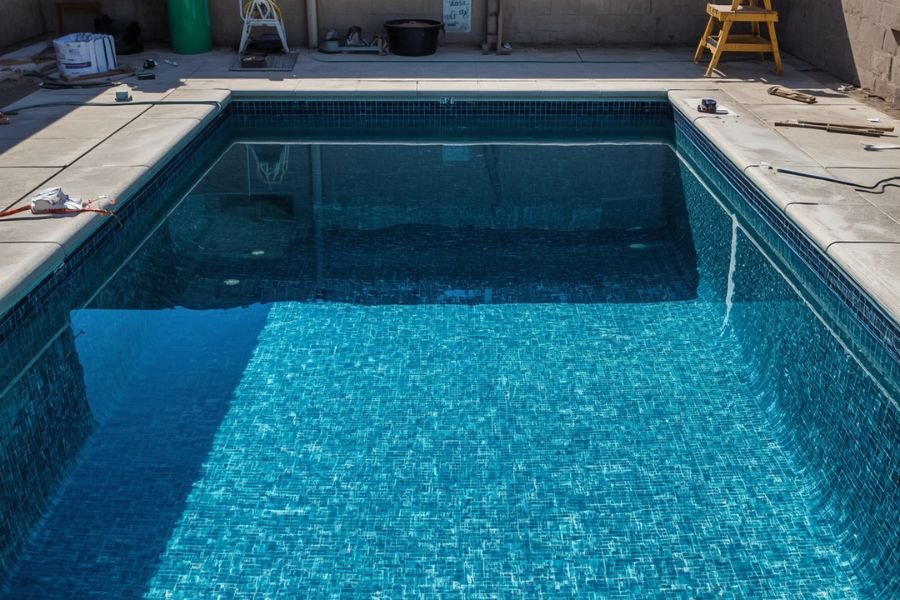
One of the most serious consequences of delaying pool resurfacing is water leakage. When the protective plaster or aggregate finish gets thin, cracks begin to form. At first, these cracks look like tiny spiderwebs on the pool floor. Over time, the cracks grow wider and deeper.
Water will seep through these gaps and reach the underlying concrete shell and steel rebar grid. Once water gets past the waterproof barrier, your pool will start losing hundreds of gallons of water every single week.
A leaking pool does two terrible things:
- Sky-high water bills: You will have to constantly run your garden hose to keep the pool filled.
- Soil erosion: The leaking water saturates the ground around your pool. This can wash away the dirt supporting your pool deck, causing the concrete patio slabs to crack, sink, and tilt.
2. Destruction of the Steel Support Grid
Concrete pools rely on a steel reinforcement system known as rebar for structural strength. When you delay pool resurfacing, water reaches this steel skeleton.
When water mixes with oxygen and pool chemicals like chlorine, it attacks the metal. The steel rebar begins to rust. As metal rusts, it expands to more than twice its original size. This swelling pushes against the surrounding concrete from the inside out.
This process causes massive pieces of concrete to pop off and crack. Engineers call this spalling. Fixing a rusted steel grid requires cutting deep into the pool shell, which adds thousands of dollars to your ultimate repair bill.
3. Rapid and Uncontrollable Algae Growth
Have you noticed that you are spending more money on pool chemicals but the water still looks cloudy or green? The condition of your pool surface directly affects your water chemistry.
Old, worn-out pool plaster becomes incredibly rough and full of microscopic pits. These tiny pockets are an ideal environment for algae and bacteria growth.
When algae get trapped inside a rough surface, your pool brush cannot scrape them away, and your vacuum cannot reach them. The algae will bloom over and over again, requiring you to buy massive amounts of expensive pool shock, algaecide, and chlorine just to keep the water safe for swimming.
4. Rough Surfaces and Physical Injuries
A brand-new pool surface feels smooth and comfortable under your feet. As the finish degrades, the smooth cement washes away, leaving behind rough sand grains and sharp pieces of stone aggregate.
Swimming in a pool with a degraded finish can cause physical pain and injuries:
- Scraped feet and hands: Children playing in the pool will constantly get raw, bleeding toes and scraped knees.
- Snagged swimsuits: Sitting on the steps or leaning against the wall can ruin expensive swimwear.
- Skin irritation: The rough surface acts like coarse sandpaper against soft skin.
If swimmers regularly experience discomfort, it may indicate that the pool surface has reached the end of its service life.
5. Deep, Permanent Staining
As pool plaster ages, it becomes highly porous, meaning it acts like a giant sponge. Minerals in your water, such as iron, copper, and calcium, will sink deep into the pores of the pool wall. Leaves, dirt, and berries that fall into the water will also leave dark brown or black blemishes.
Because these stains are buried deep within the old plaster material, standard stain removal chemicals and acid washing will no longer work. The only way to get a clean, bright look back is to completely remove the old material through a full resurfacing project.
6. Serious Chemical Imbalances
A deteriorating pool surface constantly sheds calcium into the water. This raises the pH level and total alkalinity of your pool.
When your pH is constantly too high, your chlorine becomes weak and cannot sanitise the water correctly. You will find yourself trapped in a frustrating cycle of adding acid every single day to fight the rising pH. This constant chemical battle wastes your time and drains your wallet.
7. Total Loss of Property Value and Visual Appeal

A well-maintained pool helps keep your outdoor space attractive and enjoyable. A stained, cracked, and rough pool looks terrible and makes your whole property look abandoned.
If you plan to sell your home soon, a pool that needs immediate resurfacing will hurt your home value. Potential buyers may view an ageing pool as a future repair expense. They will often demand that you drop your home price by fifteen to twenty thousand dollars to cover the upcoming repair costs.
Comparing the Costs: Act Now vs. Delaying
To see exactly why waiting is a bad financial choice, look at the comparison table below. It outlines what you pay if you resurface on time versus what you pay if you wait until major damage occurs.
| Expense Category | Resurfacing on Time (Preemptive Care) | Resurfacing Late (Delayed Maintenance) |
|---|---|---|
| Basic Resurfacing Material & Labor | Standard cost based on pool size. | Standard cost plus extra removal fees. |
| Chemical Costs | Normal, predictable monthly budget. | Double or triple due to algae blooms and high pH. |
| Water Bills | Standard filling fees. | Hundreds extra due to hidden structural leaks. |
| Structural Repairs | Zero dollars needed. | High costs to patch deep cracks and fix rusted rebar. |
| Surrounding Property Repair | Zero dollars needed. | Expensive concrete lifting for cracked decks. |
| Overall Stress Level | Low — quick and planned project. | High — unexpected pool closures and budget stress. |
Clear Signs Your Pool Needs Resurfacing Right Away
How do you know if you are safely within your pool’s lifespan or if you are living on borrowed time? Watch out for these clear warning signs:
- Chalky Water: If you rub your hand against the pool wall and a white, chalky powder clouds the water or stays on your skin, the plaster is actively dissolving.
- Pop-offs: This is when small or large chunks of the top plaster layer completely break off, revealing the dark gray concrete underneath.
- Unexplained Water Loss: If your water level drops by more than a quarter-inch a day (excluding normal summer evaporation), you likely have cracks leaking water.
- Rust Spots: Small, brown rust circles on the floor of your pool mean the metal rebar below is already corroding and pushing upward.
Conclusion
Addressing resurfacing issues early can help prevent larger maintenance problems. Delaying your pool resurfacing project does not save money; it simply shifts a manageable upkeep task into a long list of costly structural and property repairs down the road. By tackling the project at the first sign of wear, you protect your backyard investment, keep your weekly chemical bills low, and ensure your pool remains a safe, smooth, and beautiful place to swim.
If you notice rough plaster, stubborn stains, pop-offs, or mystery water leaks, do not wait for the structural damage to spread. Schedule an inspection to determine whether resurfacing is needed. Contact us at Aqua Elite Pool to schedule a professional inspection. Our expert crew will look over your pool shell, walk you through the best durable finish options for your lifestyle, and restore your pool back to its original glory.