
A clear swimming pool is one of the best parts of any backyard. However, many pool owners clean their pools thoroughly and still end up with cloudy or milky water afterwards. The walls may be scrubbed, the debris removed, and the vacuuming finished, but the water still does not look clean.
This situation can be frustrating, especially when you expect the pool to look fresh and sparkling after hours of maintenance. In many cases, cloudy water is caused by issues that are harder to notice, such as poor filtration, incorrect chemical levels, or tiny particles suspended in the water. Cloudy pool water after cleaning is a common problem for both new and experienced pool owners. Identifying the actual cause is important because surface cleaning alone is often not enough to restore water clarity.
Common Reasons Pool Water Stays Cloudy
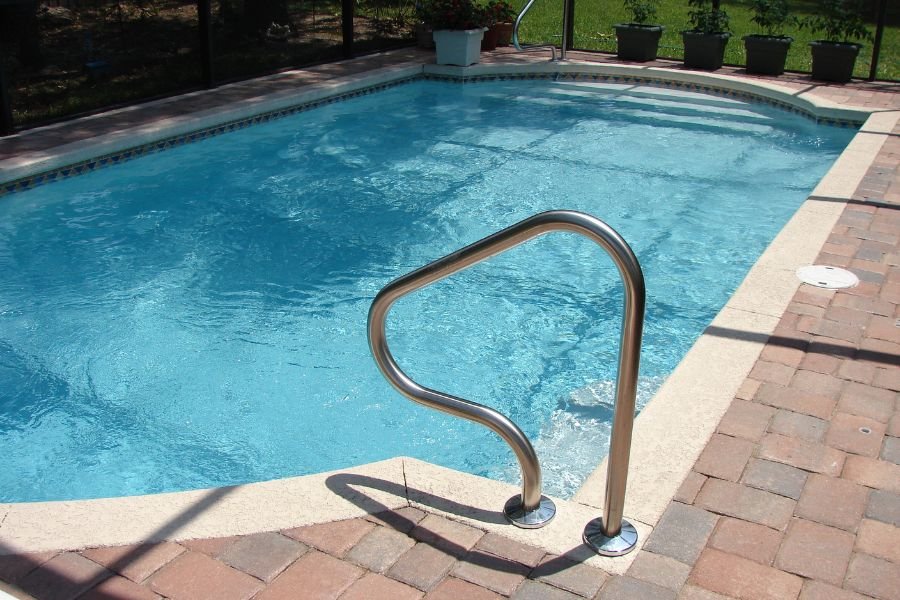
When manual cleaning fails to clear the water, the issue usually stems from one of three areas: poor filtration, chemical imbalances, or environmental factors.
1. Poor Water Circulation and Filtration Issues
Your pool filter plays a major role in keeping the water clear. While a vacuum removes large debris from the floor, the filter traps tiny particles drifting through the water. If your water remains cloudy after a physical cleaning, your filtration system is likely struggling.
- Insufficient Run Time: Many pool owners only run their pumps for 4 to 6 hours a day to save on electricity. This is simply not enough time to turn over the entire volume of water, especially during hot summer months.
- Dirty or Worn-Out Filter Media: A filter cannot trap new particles if it is already clogged with old debris. Cartridge filters need regular rinsing, sand filters require frequent backwashing, and DE (diatomaceous earth) filters need fresh powder. Over time, filter elements wear out completely and need replacement.
- Dead Spots: If your pool return jets are pointed in the wrong direction, water will not circulate evenly. This creates dead spots where water sits still, traps particles, and turns cloudy.
2. Chemical Imbalances
Water that looks clean can still be chemically unstable. Even microscopic shifts in your pool chemistry can trigger chemical reactions that cause a hazy or milky appearance.
- Low Free Chlorine Levels: Free chlorine is the active sanitiser that kills bacteria, algae, and organic contaminants. When free chlorine drops too low, these bacteria and algae can start growing quickly. Before a full-blown green algae bloom appears, the water will often turn cloudy.
- High pH and Total Alkalinity: When your pH climbs above 7.8 and your total alkalinity exceeds 130 parts per million (ppm), chlorine becomes significantly less effective. Furthermore, high pH forces calcium minerals out of solution, causing them to float freely in the water and create a cloudy look.
- Excessive Calcium Hardness: High calcium levels (above 400 ppm) lead to a condition known as calcium scaling. This excess calcium precipitates out of the water, making the water look cloudy or milky.
3. Environmental Contaminants and Swimmer Load
Sometimes, the environment introduces particles that are simply too small for a standard pool filter to trap without assistance.
- Heavy Swimmer Load: Human bodies leave behind sunscreen, body oils, sweat, cosmetics, and organic waste. A busy pool weekend can easily overwhelm your chlorine supply and clog your filter with microscopic oils.
- Environmental Fallout: Heavy rainstorms, wind, and nearby construction push fine dust, pollen, bird droppings, and fertilisers into your pool. Rainwater also alters your pool’s pH and dilutes your chemicals, which can quickly make the water cloudy.
Summary of Key Metrics for Clear Pool Water
To keep your water perfectly clear, you must test and maintain specific chemical ranges. The table below outlines the ideal targets for standard swimming pools:
| Chemical Parameter | Ideal Range | Purpose in the Pool | Consequences of Being Out of Range |
|---|---|---|---|
| Free Chlorine | 1.0 – 3.0 ppm | Kills bacteria, algae, and organic contaminants | Low: Cloudiness, algae growth, unsafe water |
| pH Level | 7.4 – 7.6 | Ensures swimmer comfort and chemical efficiency | High: Scaling, cloudy water, ineffective chlorine |
| Total Alkalinity | 80 – 120 ppm | Acts as a buffer to prevent sudden pH spikes | High: Stubbornly high pH, milky appearance |
| Calcium Hardness | 200 – 400 ppm | Protects pool surfaces and equipment | High: Calcium precipitation, scaling, haze |
| Cyanuric Acid (CYA) | 30 – 50 ppm | Protects free chlorine from sunlight degradation | High: Chlorine lock, slow sanitization |
Step-by-Step Troubleshooting Process
Cloudy water can quickly take the fun out of using your pool. Use these steps to find and fix the problem to diagnose and resolve the issue quickly.
Step 1: Run Your Filtration System Continuously
When you are actively trying to clear cloudy water, a standard 8-hour schedule is insufficient. Turn your pool pump on and leave it running for 24 hours a day until the water is completely clear.
Ensure that your return jets are pointed downward and in a circular pattern around the pool. This movement eliminates dead spots and forces water from the bottom of the pool up toward the skimmer, ensuring every gallon passes through the filter.
Step 2: Clean and Inspect Your Filter Media
If the filter is dirty, it will struggle to keep the water clear. Clean your specific filter type thoroughly before proceeding with chemical treatments:
- Cartridge Filters: Remove the cartridge and rinse it thoroughly with a garden hose using a spray nozzle. If it is coated in grease or oils, soak it in a specialized filter cleaner. Replace the cartridge if the fabric is torn or unravelling.
- Sand Filters: Backwash the filter until the sight glass shows crystal-clear water, then run the “rinse” cycle for 30 seconds. If your sand is more than 3 to 5 years old, it may be smooth and gunky, meaning it needs a full replacement.
- DE Filters: Backwash the system and replenish the grid with fresh DE powder through the skimmer according to the manufacturer’s specifications.
Step 3: Test and Balance the Water Chemistry
Use a reliable liquid drop testing kit or take a water sample to a local pool professional. Avoid basic test strips for complex cloudiness issues, as they can provide inaccurate readings. Adjust your water parameters in this exact order:
- Adjust Total Alkalinity First: Bring your alkalinity into the 80–120 ppm range using sodium bicarbonate (to raise it) or muriatic acid (to lower it).
- Adjust pH Second: Once alkalinity is stable, bring your pH to the ideal 7.4–7.6 range. If the pH is too high, add small doses of muriatic acid.
- Address Calcium Hardness: If your calcium levels are above 400 ppm, the easiest fix is to partially drain your pool and refill it with fresh, softer water.
Step 4: Apply a Shock Treatment
If your chemical levels are correct but the water remains hazy, you likely have an accumulation of combined chlorine (chloramines) or early-stage algae. You need to shock the pool.
Use a high-quality liquid chlorine or calcium hypochlorite shock. It is best to add shock at dusk or during the night because the sun’s ultraviolet rays break down unstabilized chlorine rapidly. A heavy shock dose destroys organic contaminants and breaks apart chloramines, allowing your free chlorine to resume its job.
Step 5: Utilize Pool Clarifiers or Flocculants
Sometimes, the particles causing the cloudiness are simply too small for your filter to capture. They pass straight through the sand or cartridge and return to the pool. You can use helper chemicals to fix this:
- Pool Clarifier: This is a coagulant that acts like a magnet. It gathers tiny, microscopic particles and binds them together into larger clumps. Your filter can then easily trap these larger clusters. Clarifiers work slowly and require continuous filtration.
- Pool Flocculant (Floc): Flocculant works much faster but requires manual labor. It binds particles together and forces them to sink directly to the pool floor, creating a thick layer of sediment. Once everything settles, you must switch your pool valve to “Waste” and manually vacuum the sediment out of the pool entirely. Do not pass flocculated debris through your filter, or you will clog it completely.
Proactive Habits for Long-Term Clarity
Preventing cloudy water is far easier and less expensive than treating it after it occurs. Integrating a few simple habits into your weekly pool maintenance routine will keep your water pristine.
Establish a Consistent Shock Schedule: Do not wait for your water to turn hazy to use shock treatments. Shock your pool once a week during peak swimming season, especially after heavy usage, pool parties, or intense rainstorms. This routine maintenance kills microscopic organisms before they can multiply and cloud the water.
Keep a Close Eye on Your Pressure Gauge: Your pool filter has a pressure gauge located on top of the tank. Take note of the pressure reading when your filter is completely clean. This is your baseline pressure. When the pressure rises 8 to 10 pounds per square inch (PSI) above that baseline, it means the filter is full of debris and needs cleaning or backwashing immediately.
Maintain Proper Skimming and Brushing Routine: Debris on the surface of the pool eventually sinks to the bottom, breaks down, and feeds algae. Skim the surface daily to remove leaves, bugs, and organic material. Brush the walls and steps at least once a week, even if they look clean. Brushing disrupts microscopic algae films and forces them into circulation, where the chlorine and filter can destroy them.
Enforce Good Swimmer Hygiene: Encourage family members and guests to rinse off in a shower before entering the pool. This quick rinse removes excess body oils, deodorants, perfumes, and lotions, preventing them from building up in the water and binding with your chlorine.
Conclusion
Pool owners can achieve pristine water by combining physical cleaning, robust filtration, and accurate chemistry. When your water stays cloudy after you have completed your scrubbing and vacuuming chores, remember that the problem is invisible to the naked eye.
Check your filter cleanliness, verify that your pump is running long enough, and meticulously test your chemical levels. Once you identify the root cause, you can eliminate the haze and enjoy a safe, beautiful, and crystal-clear pool all season long. If you try these steps and still struggle to get your water crystal clear, feel free to contact us at Aqua Elite Pool for expert advice and professional pool services.