
A clean and refreshing swimming pool needs regular care, especially during the busy summer season. Hot weather, frequent swimming, and outdoor debris can quickly affect water quality if maintenance is ignored. Pool care becomes much easier when you follow a regular routine. With a simple and consistent routine, you can keep your pool water clear, safe, and ready to enjoy every day.
Basic tasks like running the pump regularly, removing debris, and checking chemical levels each week can help prevent common problems such as cloudy water, algae growth, and equipment damage. Staying regular with these small maintenance steps not only improves water quality but also helps protect your pool system from costly repairs. By following a proper maintenance routine, you can enjoy a clean, sparkling, and worry-free pool all summer long.
1. The Three Pillars of Pool Care
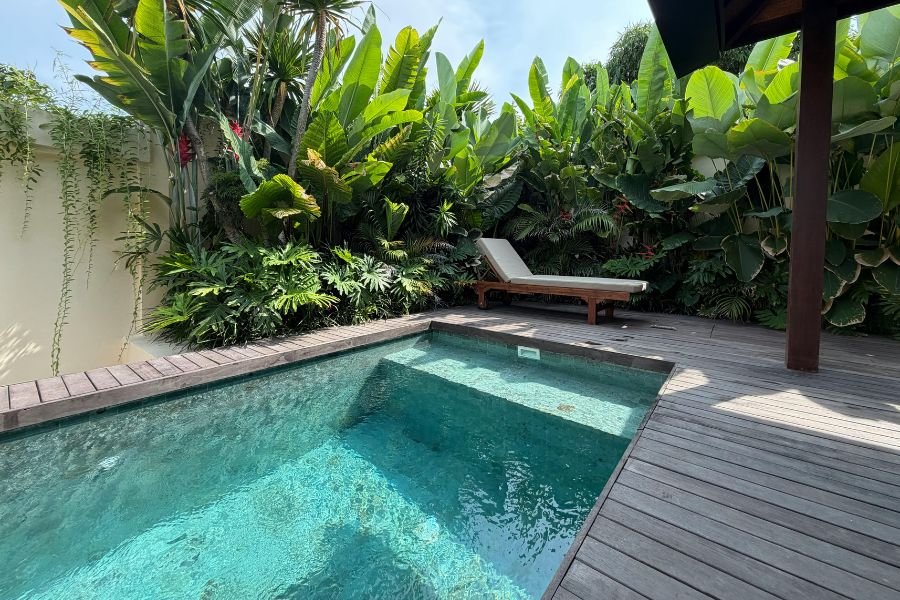
To keep your water looking pristine, you must focus on three main areas: circulation, cleaning, and chemistry. Focusing on these three areas helps keep your pool clean throughout the season.
- Circulation: Keep the Water Moving: Still water can quickly lead to algae and bacteria problems. Moving water is much harder for contaminants to take over. Your pool pump is the heart of your swimming pool. It pulls water through the filtration system to trap dirt and debris before pushing clean water back out. During the hot summer months, run your pump for at least 8 to 12 hours every day. If the weather is exceptionally hot or you host a busy pool party, you may want to run it for 24 hours to ensure proper turnover.
- Cleaning: Remove Physical Debris: Even the best filter cannot catch everything. Large leaves, bugs, twigs, and windblown dirt will land on the surface. If left alone, these items sink to the bottom and decay. This organic waste feeds algae and uses up your chlorine very quickly. Make it a habit to skim the surface every morning. Brush the walls and floor at least once a week to loosen up microscopic debris. Finish the job by vacuuming the pool floor to remove everything you brushed loose.
- Chemistry: Balance the Invisible Elements: Balanced water chemistry is also important. You must test your water regularly to ensure your chemicals are working efficiently. If your water is out of balance, your sanitiser cannot do its job, which leads to cloudiness and skin irritation.
2. Testing Your Pool Water
You cannot fix what you do not measure. Testing your pool water is the only way to know exactly what it needs. Use a high-quality liquid test kit or reliable test strips at least twice a week during peak summer.
When you test the water, look closely at these key levels:
- pH Level: This measures how acidic or basic your water is. The ideal range is between 7.4 and 7.6.
- Total Alkalinity (TA): This acts as a shield for your pH. It stops the pH level from bouncing up and down wildly. Keep this between 80 and 120 parts per million (ppm).
- Free Chlorine: This is the active sanitizer that kills germs and bacteria. It should stay consistently between 1.0 and 3.0 ppm.
- Cyanuric Acid (CYA): Think of CYA as sunblock for your chlorine. Without it, the hot summer sun can destroy your chlorine in less than two hours. Keep this between 30 and 50 ppm.
3. Pool Maintenance Chemical Guide
The table below serves as a quick reference guide for your summer chemical targets. It explains what each item does and how often you should check it.
| Chemical Parameter | Ideal Range | Function | Testing Frequency |
|---|---|---|---|
| Free Chlorine | 1.0 – 3.0 ppm | Destroys bacteria, germs, and organic contaminants. | 2 to 3 times per week |
| pH Level | 7.4 – 7.6 | Ensures swimmer comfort and optimal chemical efficiency. | 2 to 3 times per week |
| Total Alkalinity | 80 – 120 ppm | Stabilises pH levels to prevent rapid fluctuations. | Once a week |
| Calcium Hardness | 200 – 400 ppm | Prevents plaster erosion or scale formation on surfaces. | Once a month |
| Cyanuric Acid (CYA) | 30 – 50 ppm | Protects chlorine from breakdown caused by sunlight. | Once a month |
| Total Dissolved Solids | Under 1,500 ppm | Measures total accumulation of everything dissolved in water. | Once per season |
4. Master Your Chlorine Management

Chlorine is your primary defence against cloudy water. It attacks bacteria and breaks down organic matter like sweat, sunscreen, and body oils.
Understanding Free vs. Combined Chlorine
When you test your water, you will notice two different terms: Free Chlorine and Combined Chlorine Free chlorine is the active, unused chemical available to sanitize your pool. Combined chlorine is the portion that has already used itself up fighting contaminants.
High combined chlorine creates a strong chemical smell and irritates human eyes. If this level goes above 0.2 ppm, it is time to shock the pool to burn away the waste.
Choosing the Right Chlorine Source
Most pool owners use stabilised chlorine tablets in a floating dispenser or an automatic chlorinator. These tablets dissolve slowly to provide a steady stream of sanitizer. Be careful not to let your cyanuric acid (CYA) build up too high from these tablets over time. If CYA gets too high, high CYA levels can reduce chlorine efficiency.
5. Simplify Weekly Pool Shocking
Microscopic waste builds up in a pool over time, even if your daily chlorine levels look perfect. Heavy rainstorms, bright sunshine, and busy swim days add massive amounts of invisible organic matter to the water. A weekly shock treatment clears out this hidden waste and keeps the water sparkling.
Shocking means adding a large, powerful dose of sanitizer directly into your pool water. This sudden boost destroys combined chlorine, kills hidden algae spores, and burns away swimmer waste like sweat and body oils.
- Shock the pool at night: Add the shock chemical in the evening after the sun goes down. Intense summer sunlight destroys pool shock within a few hours, which stops it from working properly.
- Pre-dissolve the chemical: Mix the shock chemical in a clean bucket of water first if the product package instructions require it. Never mix different types of chemicals together.
- Distribute the mixture evenly: Pour the liquid slowly around the perimeter of the deep end while your pool pump runs to help it mix quickly.
- Let the filtration system run: Keep the pool pump running overnight for at least 8 to 12 hours to spread the chemical completely through every gallon of water.
- Test before swimming: Do not let anyone enter the water until you test it and ensure the free chlorine level drops back down below 3.0 ppm.
6. Proper Filter Care for Clear Water
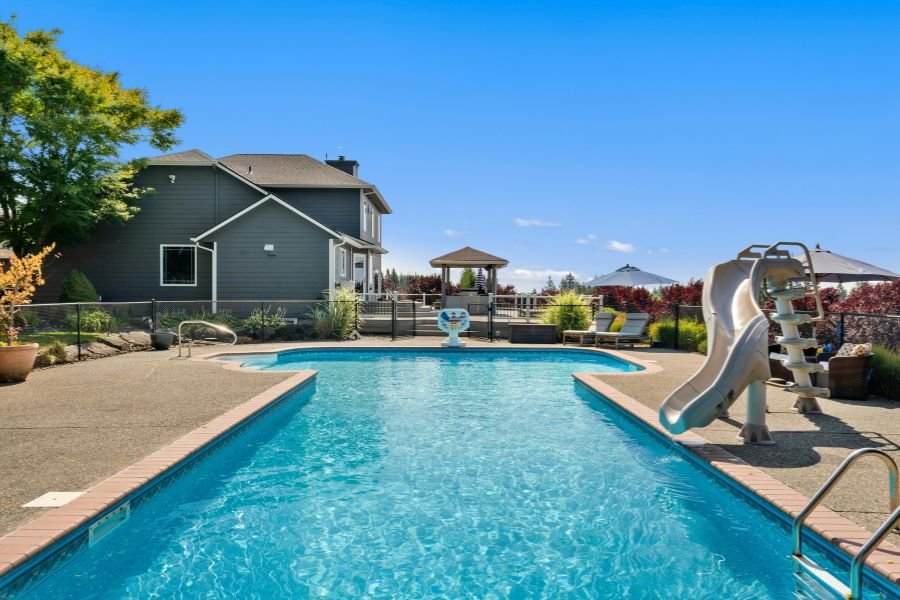
Your pool filter continuously removes dirt and debris from the water. Its main job is to trap tiny particles of dirt and debris. Over time, this trapped debris clogs the filter system, slows down the water flow, and causes pressure to build up inside the tank.
Read Your Pressure Gauge
Look at the round pressure gauge on your filter tank at least once a week. Take note of the baseline pressure reading when the filter is completely clean. When the pressure gauge climbs 8 to 10 pounds per square inch (psi) higher than that clean baseline, your filter is full of dirt and needs immediate cleaning.
Clean According to Your Filter Type
- Sand Filters: Run a backwash cycle to reverse the water flow. This flushes trapped dirt out through a waste line. Stop backwashing when the small sight glass on the valve shows completely clear water.
- Cartridge Filters: Turn off the system and pull the fabric cartridges out of the tank. Use a garden hose with a high-pressure spray nozzle to wash away dirt from between all the pleats.
- D.E. Filters: Backwash the system to flush out old dirt and used powder. Always add fresh diatomaceous earth powder back into the system through your pool skimmer immediately afterwards.
7. Handle Summer Weather Challenges
Summer weather can quickly affect pool water quality. Learning how to manage these common situations keeps you ahead of potential water problems.
Fix Water After Heavy Rainstorms
Rainstorms carry airborne dust, plant pollen, wild algae spores, and acidic pollution directly into your swimming pool. Heavy rainfall also dilutes your carefully balanced pool chemicals.
Clean out your skimmer baskets immediately after a major storm to remove leaves and twigs. Test your chemical balance right away. You will typically need to adjust your pH level and add extra chlorine or shock to neutralise the new contaminants.
Manage High Swimmer Volumes
A fun backyard pool party introduces large amounts of sunscreen, body oils, sweat, and hair products into the water. This sudden overload quickly drains your active chlorine supply.
Encourage guests to rinse off in a shower before swimming. Once the party ends, turn your pool pump on high, skim out any floating debris, and add a dose of pool shock to restore balance before the water turns hazy or grey.
8. Easy Strategies to Prevent Algae
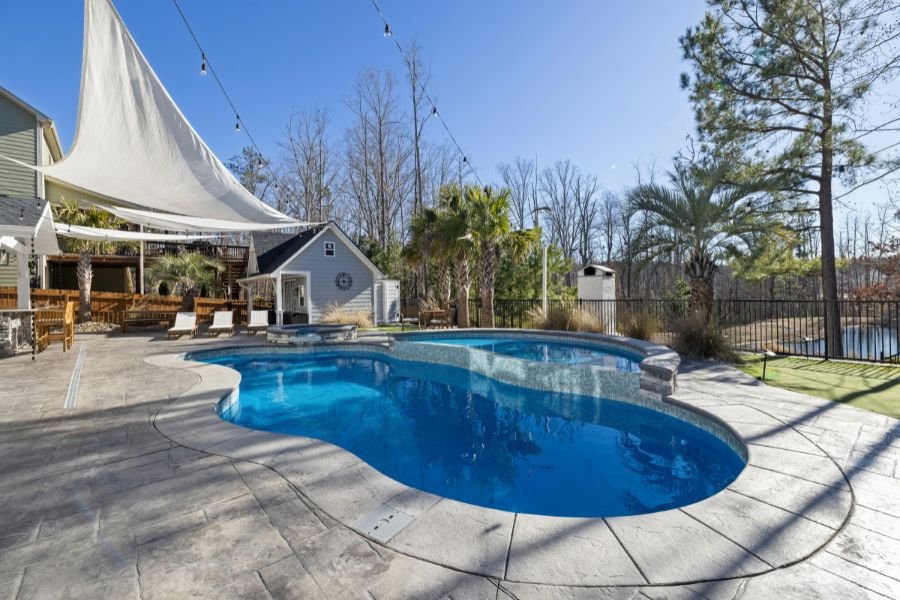
Algae can spread quickly if pool maintenance is ignored. Wind, rain, and swimmers worn in local lakes can bring microscopic algae spores into your water. Preventing algae from starting is much easier than trying to clear it up later.
Add a Weekly Algae Preventer
Pour a maintenance dose of a broad-spectrum algaecide into your water once a week. This chemical targets the protective outer layer of algae spores, allowing your chlorine to destroy them instantly.
Brush the Hidden Dead Zones
Pool water does not move perfectly in every single area. Places around steps, ladders, lights, and sharp corners often have very low water flow. Brush these dead zones thoroughly once a week to prevent algae spores from sticking to the walls and growing.
Conclusion
Keeping pool water clean mainly requires regular maintenance; it simply takes a little consistency. When you stay on top of the three core pillars of pool care, you protect your investment and keep your backyard oasis safe for everyone. By keeping your pump running daily, skimming out organic debris before it decays, and checking your chemical balance twice a week, you can easily stop cloudiness and algae blooms before they ever get a chance to start.
While summer weather shifts and busy pool parties will always throw challenges your way, a reliable maintenance routine ensures you are always one step ahead. Dedicating just a few minutes each week to these basic steps saves you from bigger maintenance issues later. Follow this blueprint all season long, and you will keep the pool clean and comfortable for swimming for your family every single day of the summer. If you run into stubborn water issues or need professional assistance keeping your system running perfectly, contact us if you need professional pool assistance.