
Building a swimming pool is one of the most exciting home improvement projects you can take on. It transforms your backyard into a private resort, a workout hub, and a gathering place for family and friends. However, designing the perfect pool involves much more than just picking a shape or choosing beautiful tiles. One of the most critical decisions you will make is deciding exactly where to place it on your property.
Pool placement is not just about aesthetics or backyard traffic flow. It has a massive impact on daily comfort, safety, energy costs, and how much use you actually get out of your investment. Specifically, how your pool sits in relation to the sun and the elements will determine whether your water is perfectly warm or freezing cold and whether your pool deck is an inviting lounge area or a scorching hot zone.
Before the excavators start digging, let’s explore how smart pool placement affects sun exposure, temperature control, and overall backyard comfort.
Why Pool Orientation and Placement Matter
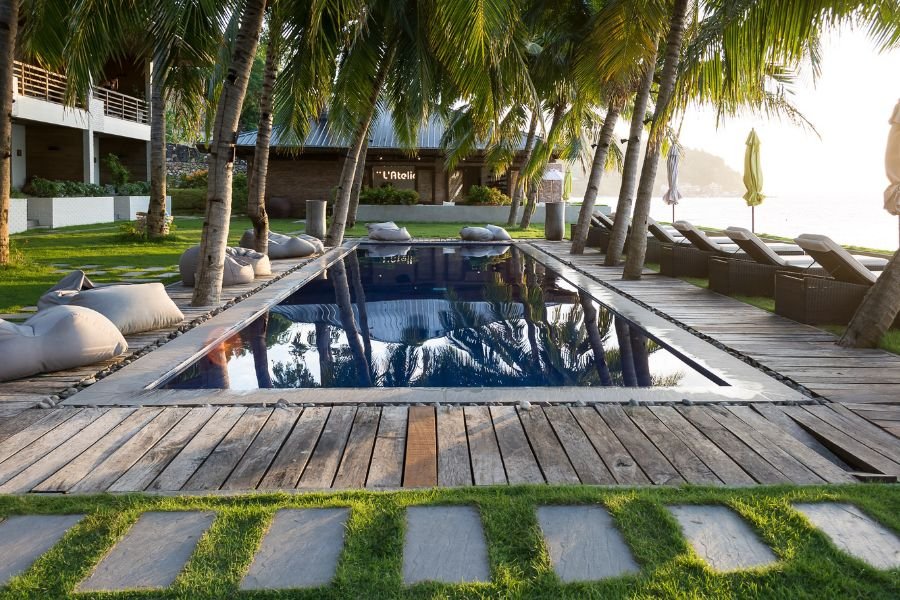
When pool designers talk about orientation, they are talking about the direction your pool faces and where it sits on your lot. Every backyard has its own microclimate. This microclimate is shaped by the position of your house, mature trees, boundary fences, and neighbouring structures.
If you place your pool without checking the sun’s path, you might end up with an expensive water feature that sits in total darkness by 2:00 PM. On the other hand, a perfectly placed pool captures the best daylight hours, stays naturally warmer, and provides balanced areas of sun and shade for everyone in the family.
The Role of Sun Exposure: Tracking the Sun’s Path
The sun rises in the east and sets in the west, tilting slightly towards the south in the northern hemisphere. This basic science lesson is your number one tool when planning a backyard layout.
South-Facing Pools: The Gold Standard for Sun Seekers
If your backyard faces south, your pool will receive the maximum amount of direct sunlight throughout the entire day. This is generally considered the ideal setup for several reasons:
- Natural Water Heating: Direct sunlight acts as a free, natural heater. A south-facing pool absorbs solar energy all day long, which can raise your water temperature by several degrees without using extra electricity or gas.
- Extended Swim Seasons: Because the pool stays warmer naturally, you can start swimming earlier in the spring and keep using the pool later into the autumn months.
- Bright Lounge Areas: Your pool deck will stay bright and sunny, making it perfect for sunbathing and enjoying a classic summer vibe.
West-Facing Pools: Late Afternoon Heat
A west-facing pool gets incredible exposure during the afternoon and early evening. This layout is perfect for families where kids swim after school or adults who love to unwind in the water after a long workday. You will get to witness beautiful sunsets right from the water. However, keep in mind that the afternoon sun is the most intense, so your pool deck can become incredibly hot during July and August.
North and East-Facing Pools: Managing the Shade
North-facing backyards often sit in the shadow of the house itself. This means your pool might receive very little direct sunlight, especially during the cooler months when the sun sits lower in the sky. East-facing pools get wonderful morning light, but they lose the sun early in the afternoon.
If your yard faces north or east, you will want to place the pool as far away from the back wall of your house as possible to escape the home’s shadow.
Balancing Sun and Shade for Ultimate Comfort
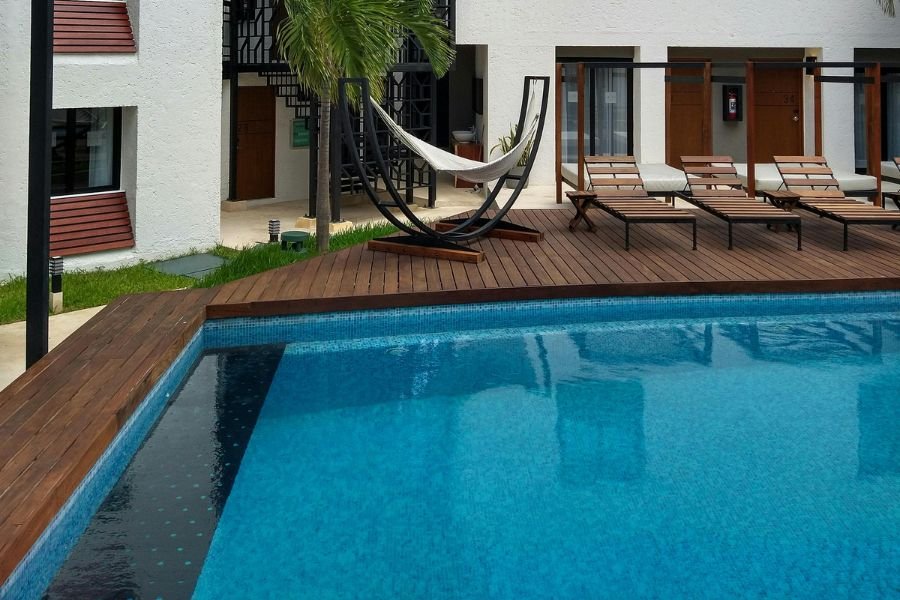
While maximum sun exposure sounds amazing, too much heat can ruin your comfort. Nobody wants to swim in water that feels like hot soup, nor do they want to burn their feet on a blazing hot deck. True comfort requires a strategic balance between sunny spots and cool shade zones.
Creating Natural and Artificial Escape Zones
When planning your pool placement, you must also plan your shade structures. If your pool is out in the open sun, make sure you leave enough deck space to build a custom pergola, install a cabana, or set up heavy-duty patio umbrellas.
A great layout design includes a sun shelf or tanning ledge inside the pool for deep sun exposure, directly adjacent to a shaded lounge area on the deck where swimmers can dry off without overheating.
The impact of Wind, Privacy, and Surrounding Trees
Sun exposure is a massive piece of the puzzle, but it does not work alone. Local weather elements and surrounding landscapes alter how comfortable your pool area feels.
Dealing with the Wind
Wind is an often-overlooked factor in pool placement. A constant breeze blowing across your water causes two major problems:
- Evaporation and Heat Loss: Wind speeds up water evaporation. When water evaporates, it steals heat from the pool, causing your water temperature to drop drastically overnight.
- Debris: Strong winds blow leaves, twigs, pollen, and dust straight into your water, forcing your filtration system to work double-time and increasing your pool maintenance chores.
To prevent this, look at the prevailing wind patterns in your neighbourhood. Position your pool near a structural windbreak, like a solid fence, a brick privacy wall, or a row of dense, non-invasive privacy hedges.
The Problem with Tall Trees
It is tempting to place a pool near large, beautiful trees to create a natural tropical oasis. However, trees bring major challenges. Overhanging branches drop leaves, acorns, sap, and seed pods directly into the water. This stains pool liners, clogs skimmer baskets, and upsets your water chemistry balance.
Furthermore, massive tree roots can grow beneath the ground, eventually cracking concrete pool decks or shifting underground plumbing pipes. Keep your pool a safe distance away from mature trees to protect both your water quality and your structural integrity.
Comparing Pool Placements: A Quick Reference Guide
To help you visualise how different locations impact your daily swimming experience, examine this quick breakdown of common pool placements:
| Pool Placement / Direction | Daily Sun Exposure | Average Water Temperature | Best Usage Times | Main Challenge to Manage |
|---|---|---|---|---|
| South-Facing | Maximum (All Day) | Consistently Warm | Morning through Late Afternoon | Needs added shade structures to prevent deck overheating. |
| West-Facing | High (Afternoon & Evening) | Warm to Hot | Afternoons, Post-Work, and Sunset Swims | Extreme afternoon heat and sun glare on the water. |
| East-Facing | Moderate (Morning Only) | Cool to Mild | Early Morning Workouts & Brunch Swims | Shaded and cooler conditions by the early afternoon. |
| North-Facing | Low (Mostly Shaded) | Chilly / Naturally Cold | Mid-Day (when sun is highest) | High heating costs and heavy shadows from the house. |
| Close to the House | Varies (Depends on shadows) | Cooler | Quick dips and easy supervision | Structural shadows and limited deck space. |
| Deep in the Backyard | Maximum (Away from house shadows) | Warmer | All-Day Entertaining & Weekends | Further walk to restrooms and higher utility installation costs. |
Smart Design Solutions for Tricky Backyards
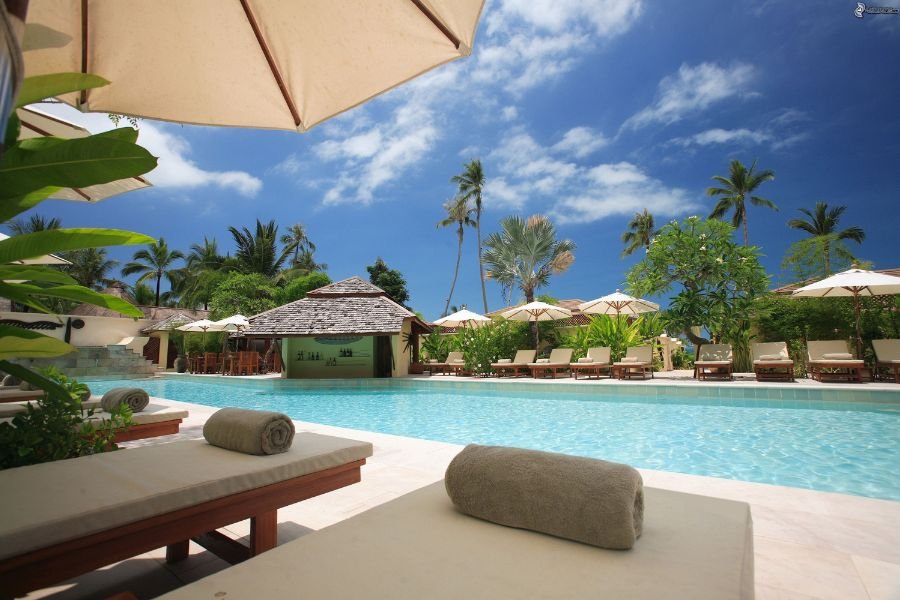
What happens if your backyard does not face south, or you have a massive tree you cannot cut down? You do not have to abandon your dream of owning a pool. Professional pool builders use smart design strategies to fix environmental challenges.
Solar Heating and Energy-Efficient Heat Pumps
If your pool is forced into a shaded area due to the layout of your lot, you can offset the lack of natural sun by installing an energy-efficient variable-speed heat pump or solar panels. By using automated pool covers, you can trap whatever heat your pool absorbs during the day, preventing it from escaping into the cool night air.
Strategic Hardscaping
If your pool area gets blasted by intense afternoon sun and heat, your choice of decking material is critical. Avoid dark concrete pavers or natural slate, which absorb heat and burn bare feet. Instead, opt for light-colored travertine pavers, stamped concrete with light reflective finishes, or cool-deck coatings that stay comfortable under the summer sun.
Designing Your Perfect Setup
Every property is unique, and finding the sweet spot for your new swimming pool requires balancing sun exposure, wind protection, privacy, and safety. By analyzing how the sun moves across your yard and planning for a mix of open swim areas and cool, shaded retreats, you ensure your pool area remains comfortable every hour of the day.
Working with an experienced, professional pool builder is the best way to turn these ideas into reality. Experts analyze your specific lot, calculate local sun angles, and design a custom layout that maximizes comfort while minimizing maintenance. Invest the time into planning your pool placement correctly today, and you will enjoy a perfect backyard paradise for decades to come.
Conclusion: Designing Your Perfect Backyard Setup
Every property is unique, and finding the sweet spot for your new swimming pool requires balancing sun exposure, wind protection, privacy, and safety. By analyzing how the sun moves across your yard and planning for a mix of open swim areas and cool, shaded retreats, you ensure your pool area remains comfortable every hour of the day.
Working with an experienced, professional pool builder like Aqua Elite Pool is the best way to turn these ideas into reality. Experts analyze your specific lot, calculate local sun angles, and design a custom layout that maximizes comfort while minimizing maintenance. Invest the time into planning your pool placement correctly today, and you will enjoy a perfect backyard paradise for decades to come. Contact us today at Aqua Elite Pool to schedule your backyard design consultation!