
A new swimming pool stands as one of the most transformative home improvement projects a Florida homeowner can undertake. Beyond the immediate boost to property value, a custom backyard pool offers a private sanctuary designed to combat the intense heat of the Sunshine State. However, the journey from a simple patch of grass to a shimmering luxury oasis depends entirely on critical preparation steps.
Florida’s unique geography, defined by high humidity, sandy soil, a low water table, and frequent tropical storms, demands a specialised approach to site readiness. If you fail to prepare properly, you risk facing construction delays, unexpected costs, and long-term structural issues.
1. Preliminary Site Survey and Permits
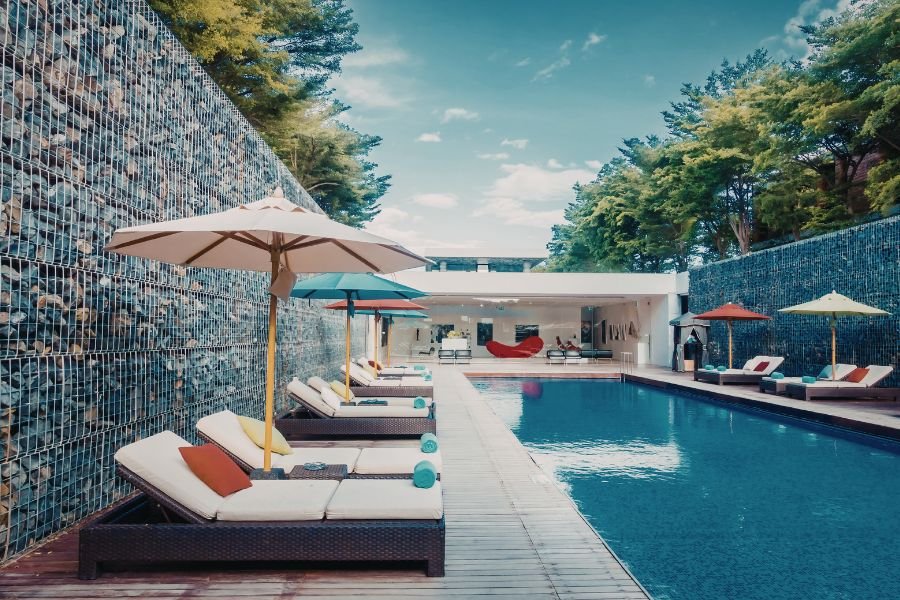
Paperwork, not concrete, sets the groundwork for a successful pool build process. The legal and geographical aspects of your property need to be explored before anything else.
Property Survey
The property survey is a must-have document for any construction. It can be likened to a blueprint of your property that specifies boundaries, easements, and setbacks.
- Easements: These are portions of your land designated for municipal or utility companies’ access. No permanent structure, such as gunite pools, may be built over easements.
- Setbacks: Each Florida municipality has specific requirements about where pools may be built regarding distances from the residence itself and the property boundaries.
Soil & Groundwater Testing
Limerock soils in Florida make pool construction an interesting task. It is necessary to evaluate the soil to ensure no structural support of the pool shell is required.
- The Water Table Challenge: Because much of Florida sits at or near sea level, the water table (the level at which the ground is saturated with water) can be very high. If the water table is high, your contractor will implement a dewatering strategy during the excavation phase to prevent the empty pool hole from filling with groundwater or causing the shell to float or pop out of the ground.
2. Navigating Florida Permitting and Safety Codes
Florida maintains some of the most rigors pool safety laws in the United States, primarily governed by the Florida Residential Building Code. Compliance is not just about legality; it’s about the long-term safety of your family and neighbours.
The Permitting Process
You cannot legally break ground without an approved building permit from your local building department. This process involves submitting detailed engineering plans, drainage calculations, and electrical layouts. At Aqua Elite Pool, we ensure these technical specs meet the highest standards to fast-track your approval in counties like Broward, Palm Beach, or Orange.
Mandatory Safety Barriers
The Florida Residential Swimming Pool Safety Act requires that all new pools have specific safety features before they can pass final inspection. Preparation includes planning for:
- Perimeter Fencing: A 4-foot minimum height fence with self-closing, self-latching gates.
- Pool Alarms: If your house forms one side of the barrier, every door and window leading to the pool must be equipped with an exit alarm.
- Safety Covers: In some cases, an approved safety cover may be used to meet requirements.
3. Utility Identification and Infrastructure Rerouting
What you can’t see can hurt your budget. One of the most critical steps in backyard preparation is identifying the hidden network of utility lines beneath your lawn.
The Call 811 Requirement
In Florida, it is a legal requirement to call 811 (Sunshine State One Call) at least two business days before digging. Utility companies will visit your home to mark the following:
- Electrical Conduits: Vital for powering your home and, eventually, your new pool pump and heater.
- Natural Gas Lines: Necessary if you plan on installing a gas-powered pool heater or an outdoor fire pit.
- Water and Sewer Mains: These must be avoided to prevent catastrophic leaks.
- Telecommunications: High-speed fibre optic and cable lines are often buried shallowly in Florida backyards.
Irrigation and Septic System Rerouting
Most Florida homes feature complex irrigation systems. These sprinkler lines almost always run through the centre of the backyard and will be destroyed during excavation.
- The Fix: Before construction starts, have an irrigation specialist cap the lines and prepare a plan to reroute them around the new pool perimeter once the deck is installed.
- Septic Concerns: If your home uses a septic tank and drain field, the pool must maintain a specific distance (usually 5 to 15 feet depending on the county) to prevent soil contamination or system failure.
4. Landscaping, Demolition, and Site Clearing

A clean slate is required for heavy machinery to operate effectively. Site clearing is a multi-step process that prepares the physical space for the heavy lifting.
Tree and Root System Management
Florida is home to majestic oaks and palms, but their root systems are the natural enemy of pool plumbing.
- Root Encroachment: Even if a tree is 20 feet away, its roots can grow towards the water source of a pool, eventually cracking the shell or lifting the travertine pavers.
- Clearing: Any tree within the splash zone should be professionally removed, including the stump and major lateral roots.
Creating Machinery Access Paths
Homeowners often underestimate the size of pool construction equipment. An excavator, skid steer, and dump truck need a clear path.
- Width Requirements: You typically need a clear path of 8 to 10 feet wide.
- Fence Removal: If your backyard is enclosed, expect to remove a section of the fence.
- Obstacle Removal: Relocate AC condensers, move outdoor furniture, and take down any low-hanging wires or decorative lighting that might snag on a crane or truck.
Comprehensive Pool Installation Checklist
| Phase | Task | High-Traffic Focus | Expected Outcome |
|---|---|---|---|
| Legal | Property Survey | Easements & Setbacks | Clear legal boundaries for digging. |
| Safety | Call 811 | Utility Marking | Zero damage to gas/electric lines. |
| Site | Tree & Root Removal | Structural Integrity | Prevents future shell cracking. |
| Logistics | Access Clearance | 10ft Wide Path | Allows heavy machinery to enter. |
| Utilities | Irrigation Capping | Sprinkler Rerouting | Preserves your lawn’s watering system. |
| Grading | Elevation Survey | Drainage & Runoff | Prevents flooding during storms. |
| Safety | Perimeter Fencing | Florida Building Code | Legal compliance and child safety. |
5. Engineering for Florida’s Extreme Drainage
Florida’s tropical climate means your backyard must be able to handle washout rain events where several inches of rain fall in an hour.
Strategic Grading and Runoff
Shooting the grade is the process of measuring the elevation of your yard relative to your home’s foundation.
- The Goal: The pool deck should be the high point, sloping away so that rainwater drains into swales or area drains rather than toward your back door.
- Drainage Systems: In many Florida builds, we install deck drains with long, thin grates between the pool and the house that collect surface water and pipe it safely to the street or a French drain system.
6. Finalizing High-Performance Material Selections

While the site is being cleared, you should finalize the high-traffic materials that will dictate the pool’s longevity and maintenance requirements.
Modern Pool Finishes: Beyond Basic Plaster
Standard white plaster is susceptible to staining and etching in Florida’s humid environment. For a luxury, long-lasting finish, consider:
- Pebble Finishes (e.g., Pebble Tec): These use small, polished river stones embedded in cement. They are incredibly durable and offer a natural, textured look.
- Quartz Aggregates: High-performance quartz finishes are smoother than pebble but offer significantly more chemical resistance than plain plaster.
The cool deck Advantage: Travertine and Pavers
Florida sun can heat concrete to over 120°F, making it impossible to walk on.
- Travertine Pavers: These are the gold standard for Florida luxury pools. Travertine is a natural stone that stays remarkably cool underfoot and provides excellent slip resistance.
- Articulated Pavers: Using sand-set pavers allows for natural ground movement and drainage, which is ideal for Florida’s shifting sandy soil.
7. Protecting Your Home and Lifestyle During Construction
Construction is a loud, dusty, and invasive process. Preparing your home internally is just as important as preparing the yard.
Dust and Debris Mitigation
The excavation and shotcrete (concrete spraying) phases create a significant amount of fine dust.
- HVAC Care: Keep your windows tightly sealed. You may want to turn off your AC system during the few hours of shotcrete application to prevent dust from being sucked into the return vents.
- Window Protection: If your home has large glass sliders facing the pool, consider covering them with plastic sheeting to protect against flying pebbles or concrete splatter.
Resident and Pet Safety
A construction site is a dangerous place for children and pets.
- The Dig Hole: Once excavation is complete, you will have a 6–8 foot deep pit in your yard. Ensure your temporary construction fencing is secure every evening.
Noise Management: If you work from home, be prepared for 2–3 weeks of significant noise. Scheduling your deep work or important calls away from the house during the excavation and plumbing phases is highly recommended.
8. Managing Neighbor Expectations
In Florida’s often-crowded residential developments, your pool build will impact your neighbours.
- Communication: A simple heads-up to your neighbours goes a long way. Let them know there will be trucks parked on the street and increased noise between 7 AM and 5 PM.
- Dust Control: If the wind is blowing towards a neighbour’s house, your contractor can use water to mist the dirt piles, keeping the dust from migrating over the fence.
9. Post-Prep: What Happens Next?
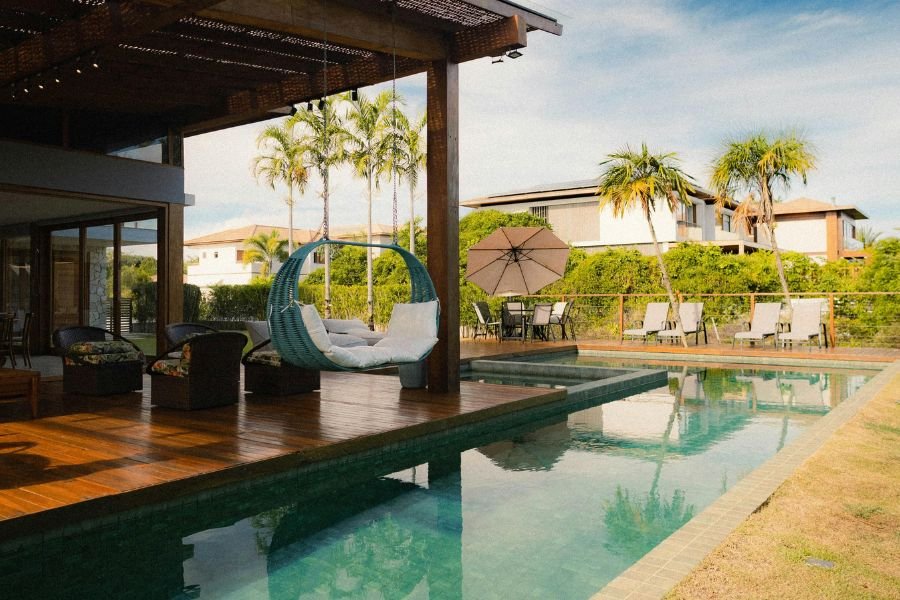
Once the site is cleared, marked, and permitted, the actual construction begins. This sequence typically follows:
- Excavation: The physical digging of the pool.
- Steel Rebar: Creating the skeleton of your pool.
- Plumbing & Electrical: Installing the veins and nerves of the system.
- Shotcrete/Gunite: Applying the hard concrete shell.
- Tile and Coping: Adding the aesthetic borders.
- Decking: Installing your travertine or pavers.
- Interior Finish: The final waterproofing layer.
Conclusion: The Foundation of a Flawless Build
A successful pool project relies on a careful balance of legal compliance, environmental engineering, and logistical planning. When you address utility rerouting, soil conditions, and drainage requirements before the build begins, you eliminate the surprise costs that often derail DIY or low-budget projects.
At Aqua Elite Pool, we pride ourselves on guiding homeowners through every phase of this journey. A well-prepared site does more than just make construction faster; it ensures your pool remains a beautiful, structurally sound asset for decades to come. Contact us today to schedule your initial site assessment and take the first step towards your dream backyard.