
Having a swimming pool at home is amazing. It’s perfect for cooling off in the summer, exercising, or just relaxing with family and friends. But like anything, pools need regular care. One of the most important maintenance tasks is replastering. Over time, the plaster that lines your pool can crack, fade, or wear down. When that happens, replastering becomes necessary to keep your pool safe, clean, and looking great.
If you own a 20×40 pool, you might be wondering: How much does it actually cost to replaster it? In this guide, we’ll break down everything you need to know, including the factors that affect cost, the average price range, the replastering process, and tips to get the best results.
What Is Pool Replastering?
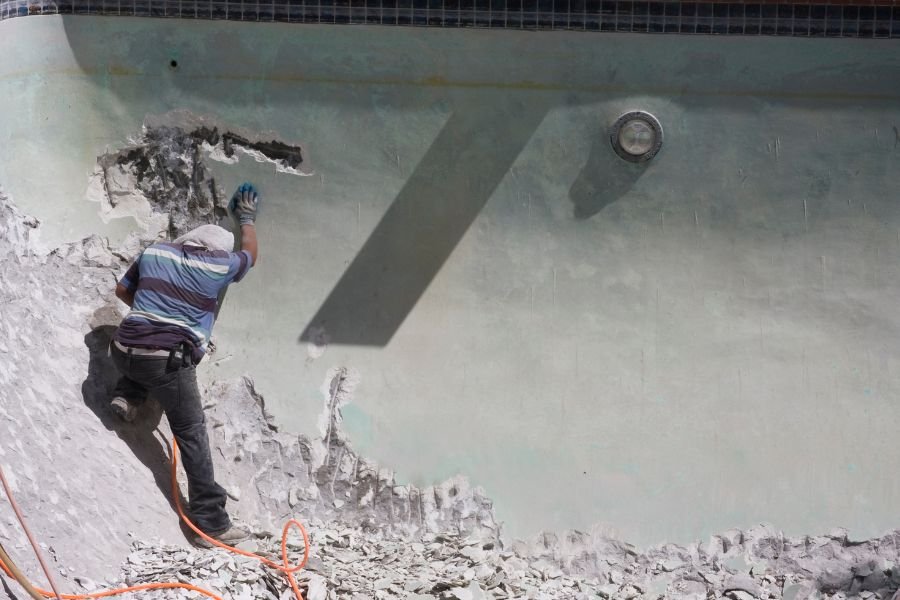
Before we talk about costs, let’s understand what replastering really means. Plaster is the layer that covers the inside of your pool. It’s usually made from a mix of cement, marble dust, and water. This layer gives your pool a smooth, attractive surface and protects the concrete underneath.
Over time, plaster wears out. Your pool may develop rough spots, cracks, or stains. Replastering removes the old plaster and applies a fresh new layer, restoring both the appearance and durability of your pool.
Signs your pool needs replastering include:
- Rough or peeling surfaces
- Cracks or small holes
- Stains or discoloration
- Leaks or unusual water loss
Replastering not only makes your pool look like new but also helps protect it from future damage.
Factors That Affect the Cost of Replastering a 20×40 Pool
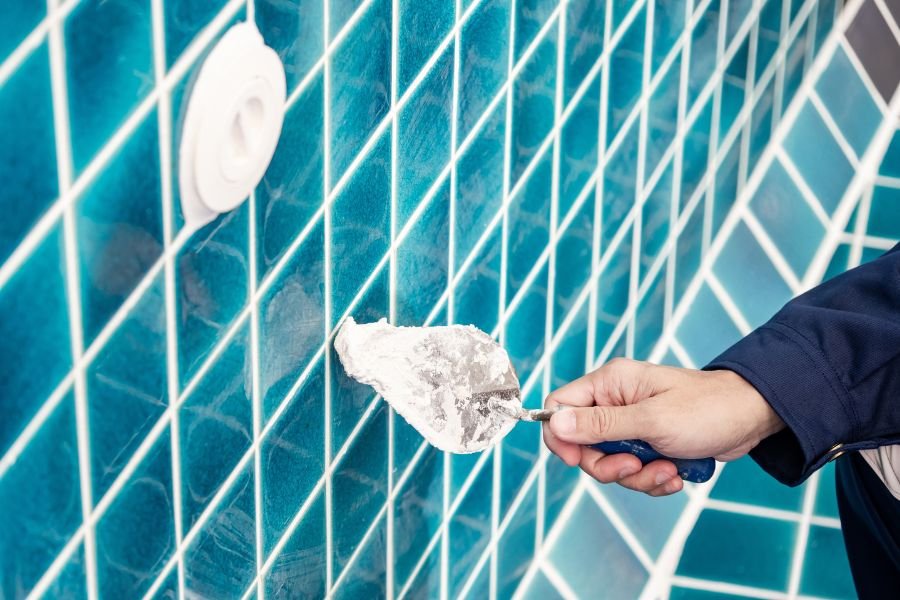
The cost of replastering can vary a lot depending on different factors. Let’s go through the main ones.
1. Pool Size and Shape
The larger your pool, the more plaster is needed, and the higher the cost. A 20×40 pool is considered a large pool, with roughly 800 square feet of surface area, though the depth can add extra square footage. Pools with steps, spas, fountains, or irregular shapes also require more plaster and labor, which can raise the price.
2. Type of Plaster
Not all plaster is the same. Here are some common options:
- Standard White Plaster: This is the most budget-friendly choice. It gives your pool a clean, classic look, though it may stain or wear faster.
- Colored Plaster: Adds a decorative touch. Popular colors include light blue, gray, or tan. Costs are slightly higher than standard plaster.
- Quartz or Pebble Plaster: This is a premium option. It’s very durable, stain-resistant, and gives a textured, high-end finish.
Choosing a more durable plaster may cost more upfront, but it can save money on repairs in the long run.
3. Labor Costs
Labor is a big part of replastering expenses. Skilled workers are needed to remove old plaster, fix cracks, and apply new plaster evenly. Labor costs vary depending on your location, the contractor’s experience, and the complexity of the job.
4. Pool Condition
If your pool has cracks, leaks, or structural issues, these must be repaired before replastering. Minor cracks may not affect the cost much, but extensive repairs will increase the total price.
5. Removing Old Plaster
Getting rid of the old plaster is a messy and time-consuming task. Some contractors include removal in their quotes, while others charge separately. This process usually involves draining the pool, chipping out the plaster, and disposing of it properly.
6. Location
Where you live also matters. Labor and material costs tend to be higher in cities than in rural areas. Some contractors may also charge extra for transporting equipment to your location
Average Cost to Replaster a 20×40 Pool
With all these factors in mind, here’s a general cost guide for a 20×40 pool:
| Plaster Type | Estimated Cost |
|---|---|
| Standard White Plaster | $7,500–$12,000 |
| Colored Plaster | $10,000–$15,000 |
| Quartz or Pebble Finish | $12,000–$18,000 |
Remember, these are estimates. Your final cost will depend on the factors mentioned above and the contractor you hire. It’s always a good idea to get multiple quotes and check reviews before making a decision.
Step-by-Step Replastering Process
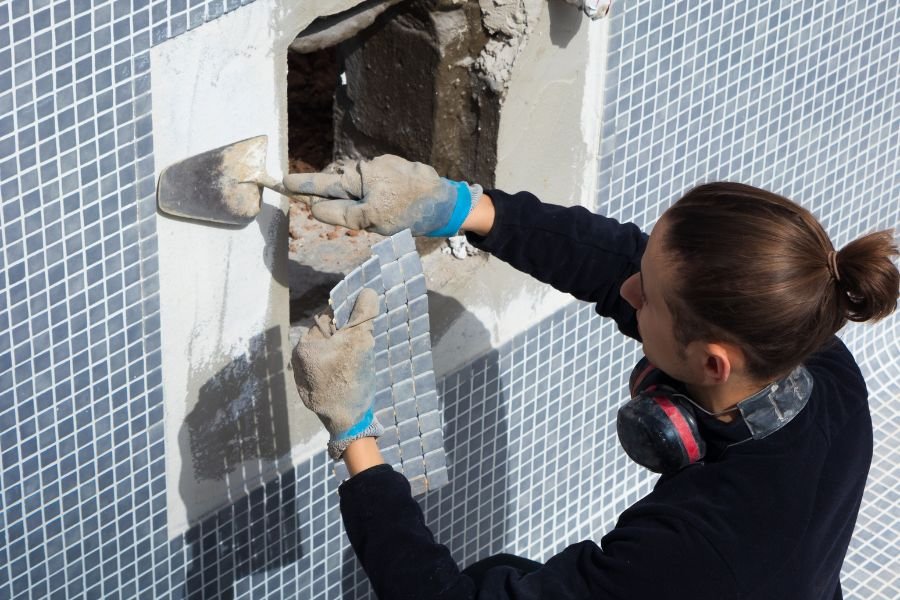
Knowing what goes into replastering can help you understand where your money goes. Here’s what typically happens:
1. Draining the Pool
The first step is to drain all the water. For a large pool like 20×40, this can take several hours. Draining ensures the surface is dry and ready for plaster removal.
2. Surface Preparation
Next, the old plaster is chipped away. The contractor may also need to fix cracks, leaks, or other damage. The surface might be acid-washed or sandblasted to ensure the new plaster adheres properly.
3. Applying New Plaster
Once the surface is ready, the new plaster is applied. For quartz or pebble finishes, special additives may be mixed in for durability and appearance. The application must be even and smooth to avoid problems later.
4. Curing
After plastering, the pool is filled slowly with water. The plaster needs time to cure, usually 7–10 days, during which the water chemistry is carefully balanced.
5. Final Touches
Finally, the pool is polished, cleaned, and inspected. At this stage, your pool should look fresh and smooth, ready for swimming.
Tips for Saving Money
Replastering a pool is an investment, but you can save money without cutting corners:
- Get Multiple Quotes: Compare at least 3–4 contractors. Prices can vary a lot.
- Pick the Right Plaster: Consider how long it will last, not just the upfront cost.
- Schedule During Off-Peak Seasons: Labor may be cheaper when demand is lower.
- Prepare Your Pool: Remove debris and clean the area before the contractor arrives.
- Fix Minor Issues Early: Small repairs now can prevent expensive problems later.
Benefits of Replastering Your Pool

Replastering does more than make your pool look good. Here’s why it’s worth it:
- Cleaner Water: Old plaster can stain and harbor algae. Fresh plaster keeps your pool cleaner.
- Improved Durability: High-quality plaster protects the pool structure and reduces maintenance.
- Better Appearance: Your pool looks brand new.
- Higher Property Value: A well-maintained pool can boost your home’s resale value.
Signs You Need Replastering
Knowing the signs can save time and money:
- Rough or sandy surfaces
- Cracks or chips in the walls or floor
- Persistent stains
- Water loss not caused by plumbing issues
- Plaster older than 10–15 years
If your pool shows any of these, it’s a good idea to call a professional.
Choosing the Right Contractor
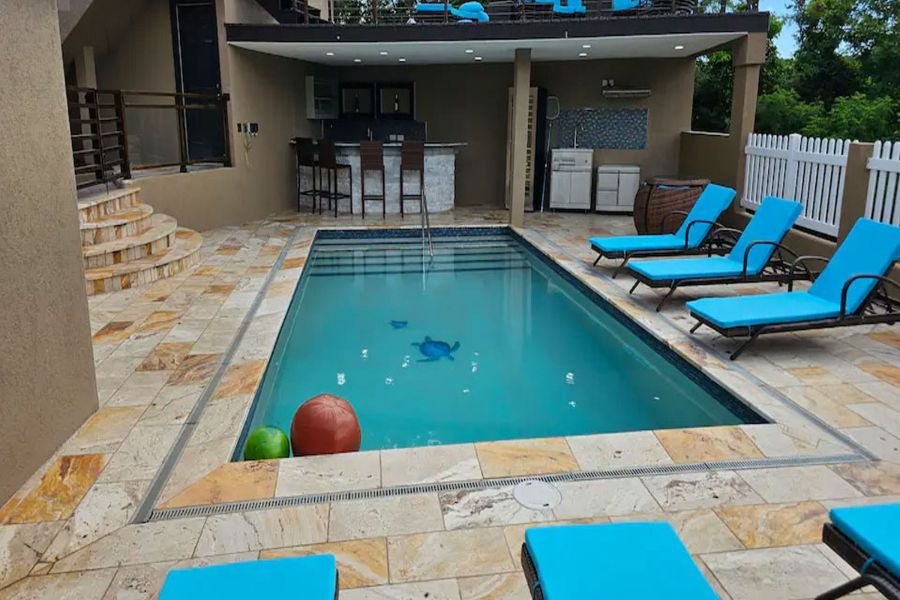
Picking a skilled contractor is key to a long-lasting finish. Here’s what to look for:
- Licensing and Insurance: Make sure they are fully licensed and insured.
- References and Reviews: Ask to see past projects.
- Detailed Quotes: The estimate should break down materials, labor, and timeline.
- Warranty: Many contractors offer warranties on plaster work. Check what’s included.
- Good Communication: Choose someone who explains the process clearly and answers your questions.
DIY vs. Professional Replastering
While some homeowners try to do it themselves, professional replastering is generally recommended for large pools like 20×40:
| Factor | DIY | Professional |
|---|---|---|
| Skill Level | High required | Experienced pros |
| Time | Several weeks | 1–2 weeks |
| Risk of Mistakes | High | Low |
| Warranty | None | Usually included |
| Equipment | Must rent/buy | Provided by pro |
DIY can save money, but mistakes can be costly. For a pool this size, professional replastering is the safest option.
Timeline for Replastering
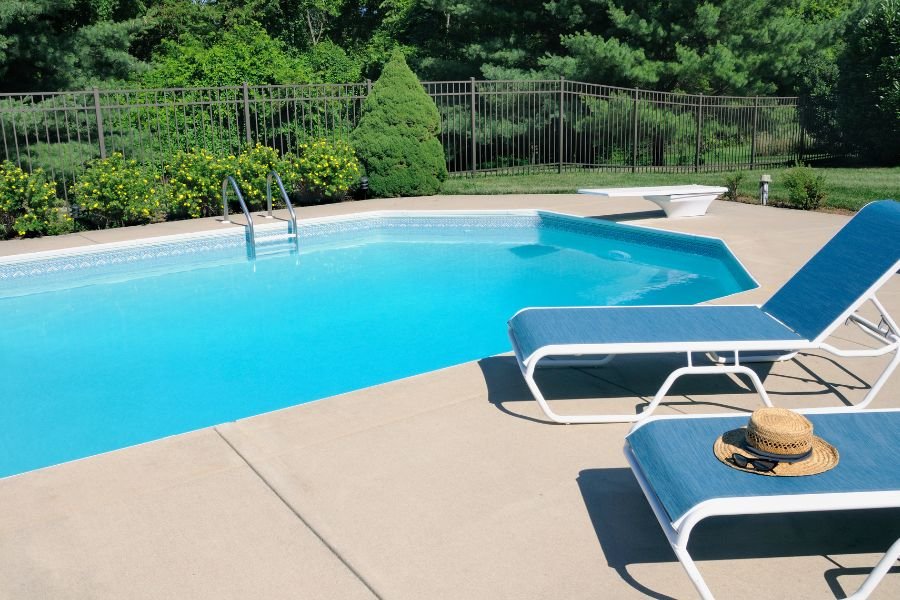
Here’s a typical schedule for a 20×40 pool:
- Drain Pool: 1 day
- Surface Prep & Repairs: 2–4 days
- Plaster Application: 1–2 days
- Curing & Filling: 7–10 days
Overall, the process usually takes 2–3 weeks, depending on the pool’s condition and weather.
Financing Options
Replastering can be expensive, but there are ways to manage costs:
- Home Equity Loan: Borrow against your home’s value.
- Personal Loan: Unsecured loans can cover costs without using your home as collateral.
- Payment Plans: Some contractors offer financing or installment plans.
- Save in Advance: Planning ahead reduces financial stress.
Final Thoughts
Replastering a 20×40 pool is a big investment, but it’s worth it for safety, appearance, and longevity. Costs generally range from $7,500 to $18,000, depending on plaster type, pool condition, and location. By hiring a skilled contractor, choosing the right plaster, and addressing issues early, you can enjoy a smooth, beautiful pool for years to come.
A freshly replastered pool isn’t just more attractive—it’s safer, more durable, and easier to maintain. Taking care of your pool now saves money and headaches later.
Call to Action
If you’re ready to replaster your 20×40 pool and want professional, reliable service, Aqua Elite Pool is here to help. Our team provides expert pool replastering with top-quality materials and exceptional craftsmanship.
📧 Contact us today at welcome@aquaelitepool.com to get a quote or schedule a consultation. Let us help you bring your pool back to life!
Ready to Start Your Pool Project?
Understanding the timeline is the first step. The next step is talking with experienced custom pool builders who can guide you through the process with transparency and expertise. Because the best pools aren’t just well-built—they’re well-planned, from the very first conversation to that first perfect summer swim.