
Picture this: You walk outside one morning with your coffee, the sun just breaking over the horizon in Lake Nona or Windermere, and you see your completed pool for the first time with fresh eyes. Not as a construction project finally finished, but as something that’s now part of your home’s story.
The moment hits differently than you expected. It’s not just about having a pool. It’s about how the morning light catches the tiles along the waterline—how they shimmer and dance even when the water is still. How the color you chose six months ago now makes perfect sense in this exact light, with your specific landscaping, in your particular corner of Central Florida.
That’s what the best pool tile choices accomplish in 2026—they translate vision into reality. They take what exists in your imagination and turn it into something your family can touch and swim in and remember.
When Tile Became the Defining Element
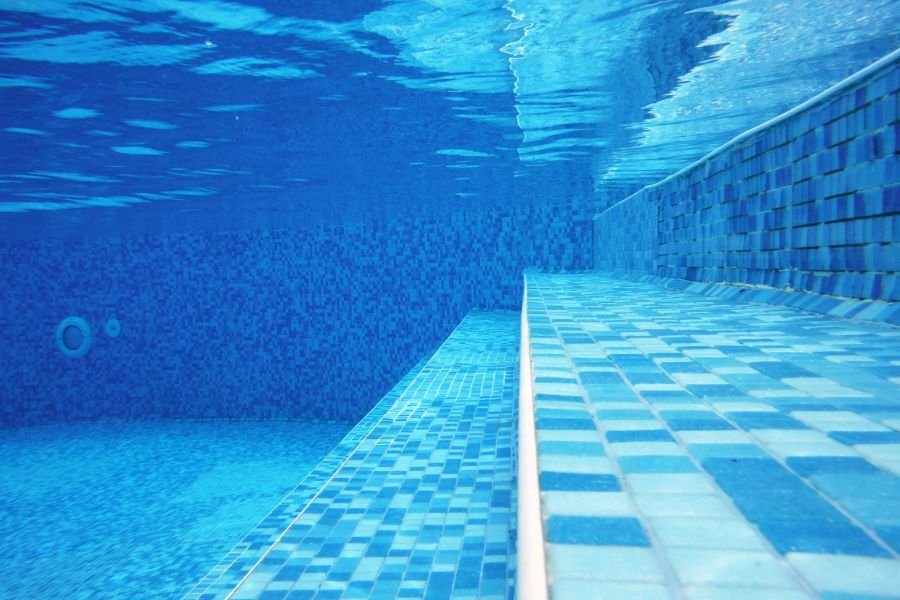
Pool tile selection used to follow a simple formula: blue or white, square or rectangular, done.
But somewhere between the evolution of outdoor living spaces and the realization that your backyard has become your most-used room, tile transformed into something more significant. It became the vocabulary of luxury outdoor design. The difference between a pool and a destination.
Industry analysis shows that homeowners investing in premium outdoor spaces increasingly view tile as the defining characteristic of pool aesthetics—often more impactful than shape, sometimes even more memorable than size. Because tile is what you encounter every single day. It’s what captures sunset light. It’s what appears in family photos for decades.
The Metallic Revolution: When Water Becomes Architecture
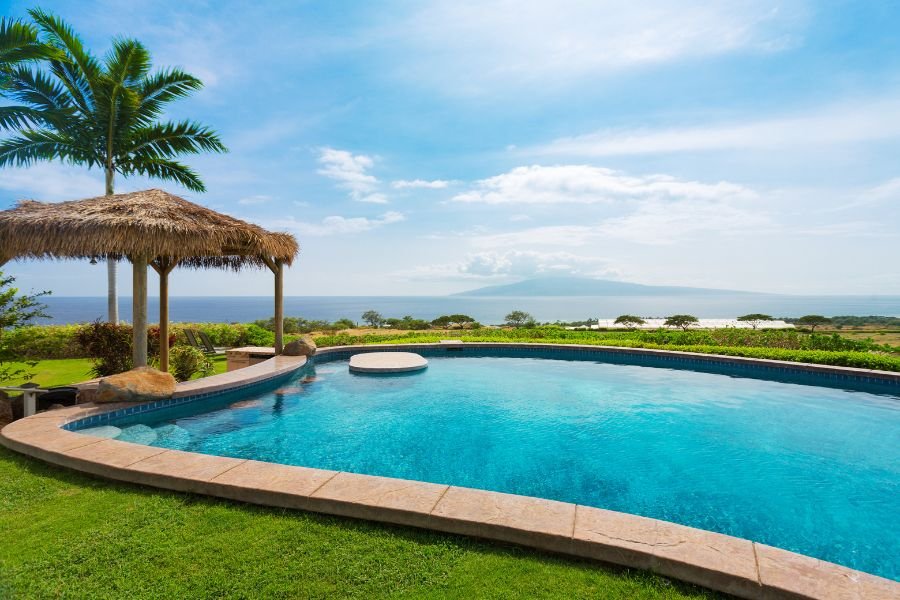
Consider walking through luxury pool installations across Dr. Phillips or Winter Park neighborhoods, and you’ll notice something consistent: a sophisticated shimmer that wasn’t present in previous generations.
This isn’t the obvious, disco-era glitter of past decades. It’s something more refined and intentional. Metallic tiles that interact with light the way water naturally does—bronze undertones in cream porcelain, pewter veining through slate gray, copper accents that warm and cool as the day progresses from morning through golden hour.
Imagine: during daylight hours, the pool presents sophisticated cool tones—refined grays and silvers that complement modern architecture. But as afternoon transitions toward evening, the entire pool begins to glow with warmth, as if the water itself caught fire in the most elegant possible way.
The technical term is “iridescent glazing”—ceramic tiles treated with metallic oxides that shift color depending on viewing angle and available light. The emotional experience is having magic hour extend throughout the entire day.
These finishes create remarkable synergy with contemporary architecture—the clean lines, neutral color palettes, and expansive windows that characterize newer homes across Winter Garden and Celebration. They establish visual continuity between indoor and outdoor spaces without creating monotonous repetition.
Glass Tile Renaissance: The Physics of Beauty
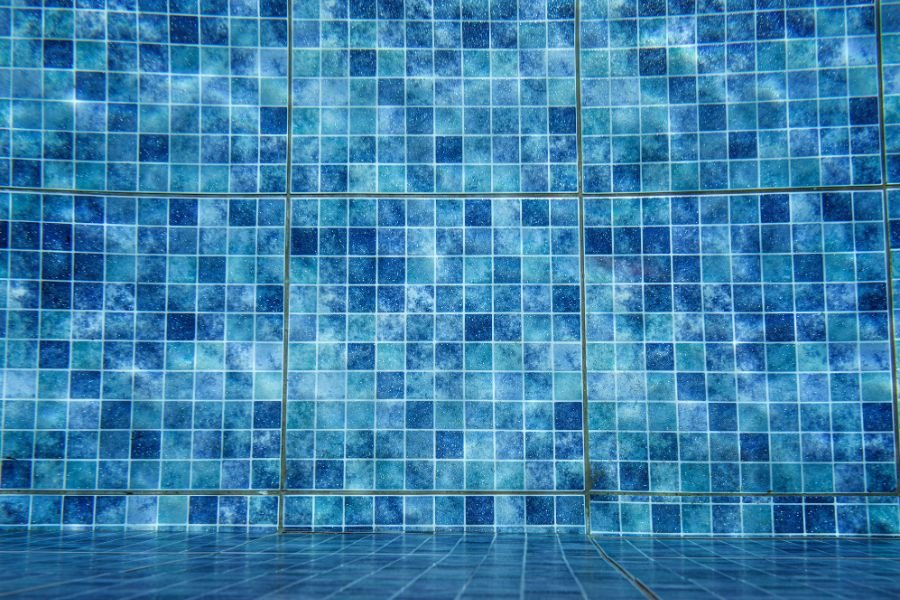
Here’s what surprises people about glass pool tiles when they first encounter them in person: they make water appear deeper than it physically is.
The transparency allows light to penetrate and refract in ways that solid tiles cannot replicate. Marine scientists might call it enhanced “water column clarity.” Homeowners simply recognize it as “that impossible blue we saw on vacation.”
The 2026 evolution of glass tile isn’t about the material being newly available—glass tiles have existed for years—but about more strategic and intentional deployment. Instead of covering entire surfaces uniformly, sophisticated installations use glass tile as architectural accents. A waterline border that creates a jewel-box effect. A focal wall behind a sheer descent or waterfall feature. Steps that seem to illuminate from within as you descend into the water.
Installation does require additional expertise—glass tiles demand different mortars, alternative grouting techniques, and modified care during the curing process. But for families committed to creating something genuinely distinctive, that extra attention produces results impossible to achieve through standard methods.
Nature's Palette: Stone That Tells Geological Stories
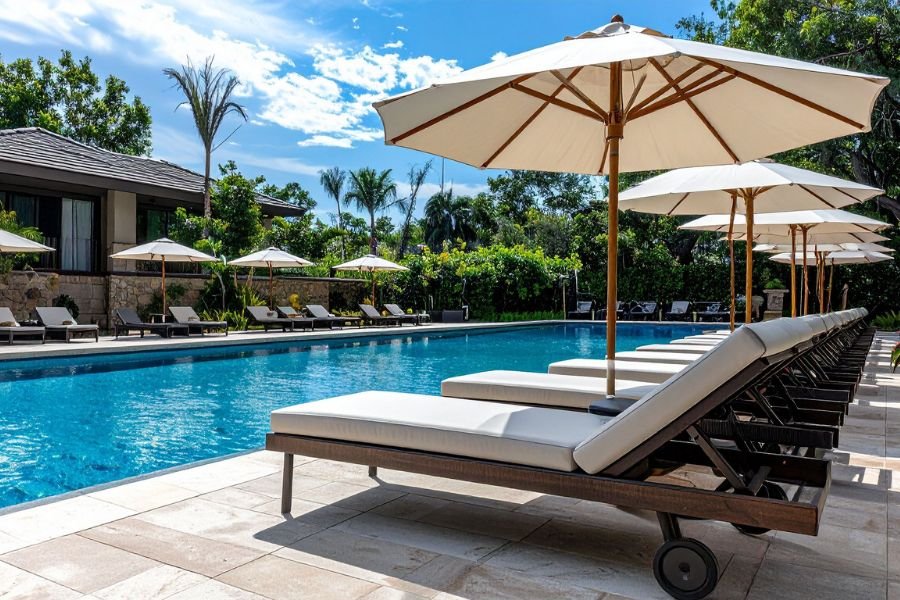
The compelling counter-trend to metallics and glass modernity is a return to materials that appear ancient—as if they’ve been here longer than any of us.
Natural stone finishes—or remarkably sophisticated porcelain that mimics them—bring a different quality to pool design. Permanence. History. The sense that your pool isn’t imposed upon the Florida landscape but emerging from it organically.
Travertine aesthetics, slate textures, river rock patterns. These aren’t the tumbled stone tiles popular in the early 2000s. Contemporary manufacturing creates stone-look porcelain that’s more durable, more consistent in performance, and more accessible in price than actual stone, while maintaining the organic irregularity that makes natural materials compelling.
Consider a home in Celebration that backs up to preserved wetlands or conservation areas. A pool finished in travertine-look tiles creates seamless integration—the beiges and soft tans and natural texture flowing together so that standing in the pool and looking toward natural Florida landscape feels harmonious rather than jarring. Not like something artificial was imported, but like something that belongs.
Geometric Innovation: How Pattern Transforms Perception
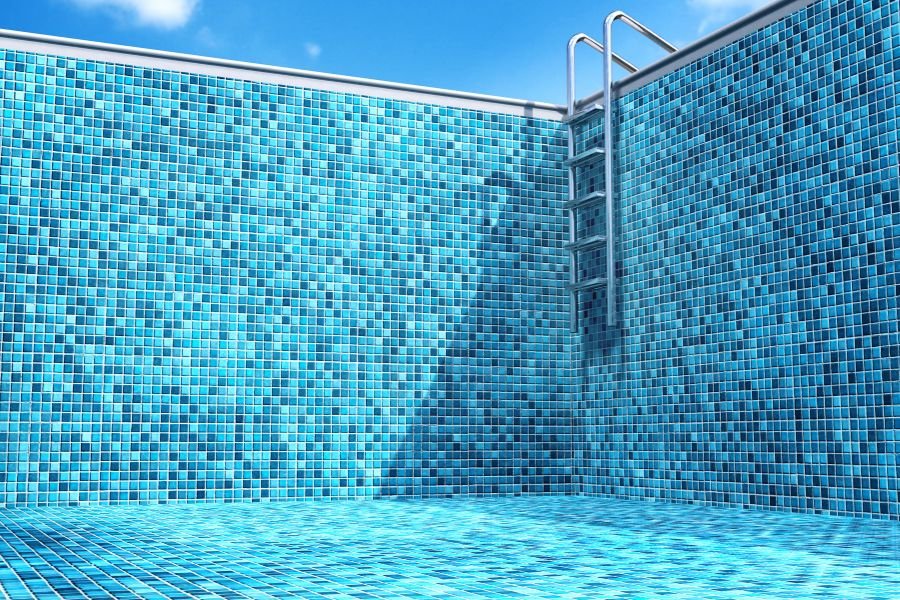
The interior design lessons of the past decade taught us something fundamental: geometry profoundly affects how we experience space.
Subway tile patterns in kitchens. Herringbone floors in bathrooms. Hexagonal backsplashes in restaurants. That same spatial intelligence now transforms pool design across Windermere and Dr. Phillips.
Linear tiles—long, narrow rectangles—create visual movement that affects perceived pool dimensions. Installed horizontally, they emphasize width and make spaces feel more expansive. Positioned vertically, they draw the eye upward, creating the impression that shallow areas possess more depth.
Hexagonal tiles, particularly in smaller formats, create organic, honeycomb-like patterns that feel simultaneously modern and timeless. They’re especially effective in spa areas or on steps, where the geometric repetition establishes natural visual boundaries without requiring additional design elements.
Chevron and herringbone patterns add sophistication without overwhelming the senses. They’re complex enough to sustain interest, repetitive enough to create calm. The kind of detail that doesn’t demand conscious attention every time you swim, but that elevates the entire aesthetic experience.
One practical benefit of geometric patterns: they mask minor installation variations better than large-format tiles. The subtle variation in joint lines camouflages the reality that hand-installed tile will never achieve perfect robotic precision. The result feels artisan-crafted rather than factory-manufactured.
Color Psychology: Expanding Beyond Blue
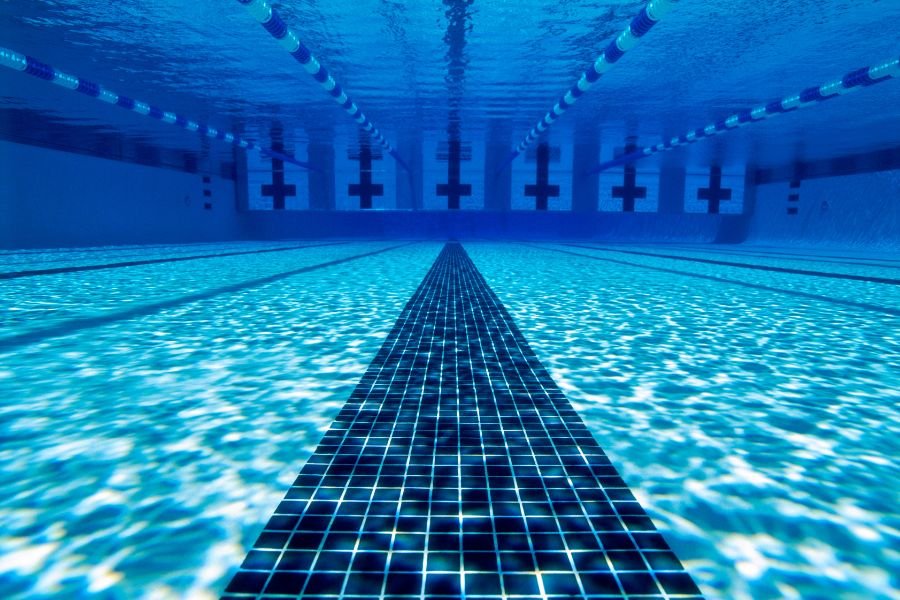
For generations, pool tile meant blue. Caribbean blue, cobalt blue, navy blue. Always blue.
But research in color psychology suggests our recognition of water features doesn’t require literal color representation. We identify pools as aquatic spaces regardless of tile color—the shape, the reflection, the movement communicates function.
This understanding opens remarkable design possibilities. Warm neutrals—creams, soft tans, sandy beiges—create Mediterranean resort atmospheres that pair beautifully with terracotta pavers and native Florida landscaping. They also retain solar heat more effectively than lighter colors, extending comfortable swimming seasons.
Cool grays and charcoals achieve that modern, infinity-edge aesthetic without the maintenance challenges of pure white finishes. They show less chemical residue, conceal minor staining more effectively, and create dramatic contrast with colorful pool accessories and outdoor furniture.
Even subtle greens—sage, eucalyptus, seafoam—are gaining traction among homeowners seeking natural lagoon aesthetics without undertaking full-scale naturalization projects.
The insight isn’t abandoning blue entirely. It’s recognizing that blue represents one option among many, and the optimal choice depends on your home’s architectural style, your landscaping color palette, and the atmospheric mood you’re creating.
Mosaic Artistry: Where Craft Becomes Personal
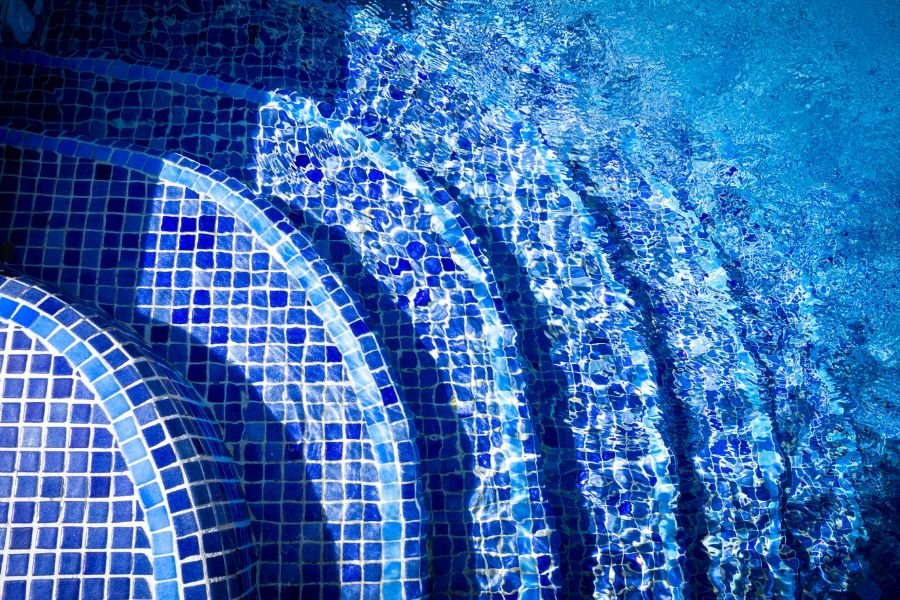
Perhaps the most exciting tile trend isn’t about the tiles themselves but about what designers and artisans are creating with them.
Custom mosaic work—genuine artistic installations that function as aquatic art—represents the pinnacle of personalized luxury. These aren’t the stereotypical dolphin mosaics of commercial resort pools. These are sophisticated compositions: abstract patterns, family crests, nautical compasses, commissioned artwork translated into permanent tile installations.
The investment is substantial, both in materials and specialized labor. A skilled mosaic artist might dedicate weeks to a single feature. But the result is authentically one-of-a-kind—something no neighbor can replicate, something that reflects your family’s aesthetic sensibility in ways that standard materials simply cannot.
Even modest mosaic accents—imagine a small medallion at the pool floor’s deepest point, or a decorative border where walls meet built-in benches—add layers of visual sophistication that elevate the entire project beyond conventional expectations.
Practical Considerations: Beauty Requires Strategy
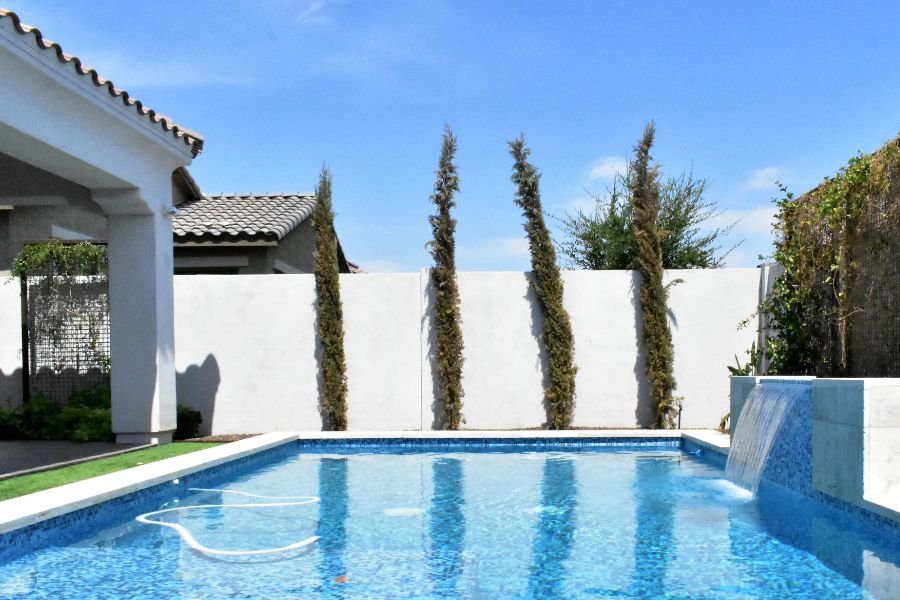
All these beautiful options come with real-world implications worth considering before committing completely to any particular tile choice.
Surface texture matters profoundly. Glass tiles typically feature smooth surfaces that clean easily but can become slippery when wet. Textured porcelain provides superior grip but creates more surface area where algae can establish. The right choice depends on who’s using the pool and how frequently.
Installation complexity varies dramatically. Large-format tiles install more quickly but require perfectly prepared substrate surfaces. Small mosaics are more forgiving of minor substrate variations but demand meticulous attention to pattern alignment and spacing.
Maintenance requirements differ significantly. Lighter tiles show chemical residue and staining more readily. Textured surfaces require more aggressive cleaning protocols. Glass tiles need specialized cleaning solutions to maintain their optical clarity over time.
Regional considerations specific to Central Florida. The intense year-round UV exposure, the persistent humidity, the occasional freeze events that surprise us—these environmental factors impact how different materials perform over decades, not just years.
The best tile choice isn’t always the most visually striking option in the showroom. It’s the selection that remains beautiful after five years of actual use by your actual family in Winter Park or Lake Nona’s actual conditions.
The Investment Perspective
Premium tile work costs more than basic alternatives. Sometimes significantly more.
But families who’ve completed these projects consistently report the same insight: tile represents the area where they’re grateful they invested rather than economized.
Unlike mechanical equipment that eventually requires replacement, unlike pool finishes that periodically need resurfacing, tile is functionally permanent. Properly installed premium tile can outlast the pool structure itself. It’s the one aesthetic decision you’ll literally never have to revisit or redo.
Moreover, sophisticated tile work translates directly into property value. Real estate professionals consistently observe that luxury tile installations photograph exceptionally well and create immediate market differentiation in competitive areas like Winter Garden and Windermere.
The visual impact also compounds. A beautiful tile installation elevates everything around it—the coping looks better, the decking appears more refined, the landscaping seems more intentional. It raises the entire project’s perceived quality in ways that budget alternatives cannot achieve.
What Matters Most
If you’re reading this while planning your own pool or renovation, here’s the essential insight: the right tile isn’t ultimately about following trends.
It’s about translation—converting feeling into material reality.
What emotional response do you want when walking outside with morning coffee? What should guests notice—or not notice? What will your family remember in photographs twenty years from now?
Those answers guide everything else. The specific materials, the colors, the patterns—those are simply vocabulary for expressing something deeper and more personal.
Picture yourself standing at your completed pool on a quiet morning, watching light play across the tiles you selected, and understanding something important: this isn’t about impressing neighbors or replicating design magazine photographs. This is about creating a space your family will use and love and remember. The tiles are simply the language you used to express it.
That’s what 2026’s most thoughtful pool tile trends offer—not rigid rules to follow, but rich possibilities to explore. Tools for telling your story in a way that can be experienced through swimming, captured in photographs, and treasured across generations.
The water will hold your family’s memories. The tiles you choose will help shape how those stories are remembered.
About the Author:
Thiago Machado is co-owner of Aqua Elite Pools, serving Central Florida families with custom pools that combine precision engineering and exceptional craftsmanship. With over a decade of experience in Florida’s construction sector, he’s built his reputation on transparency, accountability, and client-focused execution. Thiago believes outstanding pools should be visually stunning, structurally sound, and easy to maintain for decades—delivering both an excellent building experience and a finished result families genuinely love.