
There’s a time in every parent’s life when fear and joy collide in the same moment.
You’re standing at the kitchen window with your morning coffee, watching sunlight dance across the backyard you’ve worked so hard to afford. You imagine your kids laughing by the water, their friends splashing under summer skies, the whole neighborhood gathering for those perfect Saturday afternoons that make life feel complete.
And then — just for a second — the image shifts.
You see the same beautiful pool through a different lens. Not as a source of joy, but as a responsibility. A risk. A thing that requires vigilance, planning, and the kind of decisions that keep you awake at three in the morning.
This isn’t paranoia. It’s love.
And if you’re reading this, you’re exactly the kind of parent who deserves to have both — the joy and the peace of mind.
The Thing Nobody Tells You About Pool Safety
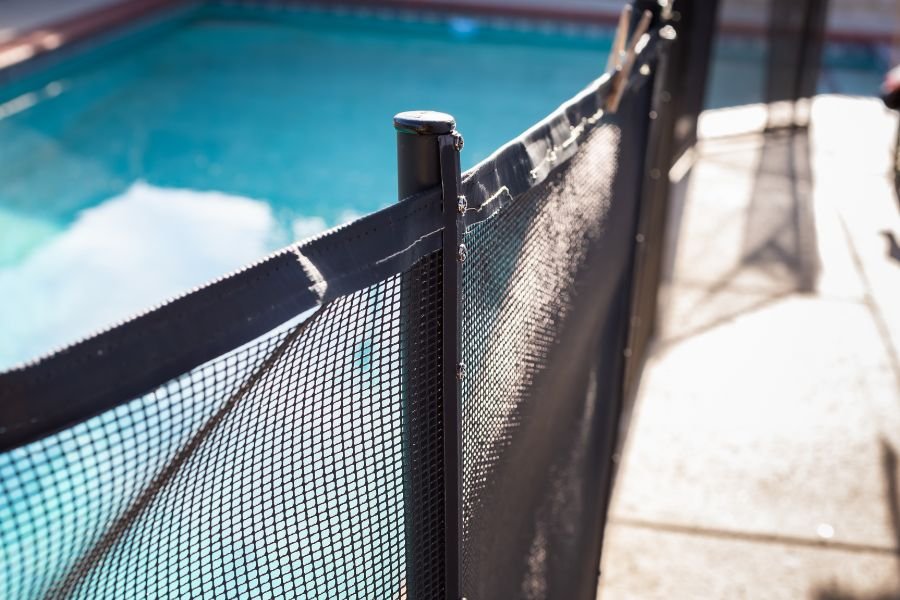
Here’s what the carefully curated Instagram photos never show: the invisible architecture of protection that makes carefree moments possible.
Pool safety isn’t about compromising your vision or turning your backyard into something that feels restrictive. It’s about building intelligent systems that work quietly in the background — present but never intrusive, protective but never paranoid.
Consider how modern vehicles work: airbags, crumple zones, traction control systems operate invisibly until the moment they’re needed. You don’t think about them during every drive. You simply benefit from decades of engineering designed to prevent tragedy.
Your backyard can work the same way.
What Florida Law Actually Requires (And Why That's Just The Starting Point)
Florida’s pool barrier requirements establish clear baselines. Any new pool or major renovation requires barriers at least four feet high, with gaps no larger than four inches, and self-closing, self-latching gates that open outward.
These regulations exist throughout Central Florida — from Winter Garden to Lake Nona, from Celebration to Winter Park. Professional pool contractors in Orlando and surrounding communities know these requirements intimately.
But here’s what matters: legal minimums represent starting points, not finish lines.
The families who achieve genuine peace of mind? They look at baseline requirements and ask: “What would make me feel completely secure?”
The Five Layers That Actually Work
Layer One: The Barrier You Can See
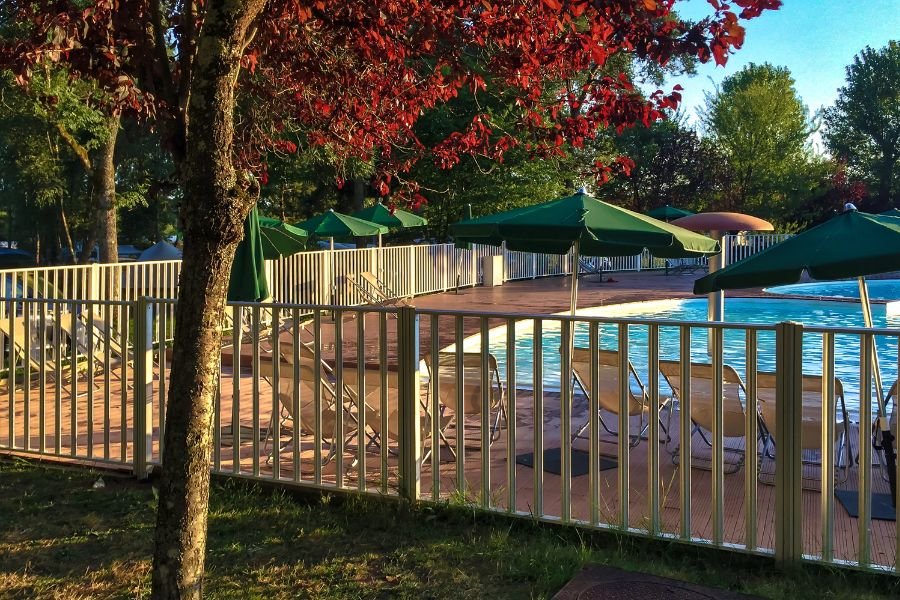
Pool fencing has evolved dramatically. Today’s options range from transparent mesh systems that preserve sightlines to elegant wrought iron that enhances rather than detracts from landscape design.
The most effective fencing serves dual purposes: creating barriers that prevent unsupervised access while maintaining the aesthetic vision you’re working to achieve. Because if your safety features make your backyard feel compromised, resentment can breed complacency.
Mesh fencing offers nearly invisible protection — popular in neighborhoods like Windermere and Dr. Phillips where maintaining views matters. Wrought iron or aluminum fencing with decorative elements can actually elevate landscape design. Glass panels create barriers without blocking sight lines to pools or gardens.
The key lies in choosing materials that satisfy both safety requirements and design goals.
Layer Two: The Cover That Actually Gets Used
Pool safety covers fall into two categories: systems people consistently deploy and equipment that stays unused.
The difference comes down to convenience.
Manual covers require physical effort — stretching, securing, removing, storing. They work perfectly until rushed mornings or spontaneous swim sessions tempt shortcuts.
Automatic covers eliminate that friction. A button press deploys complete protection. No debate, no shortcuts, no room for the small compromises that compound into larger risks.
Some families throughout Winter Park and Celebration choose thermal covers that reduce heating costs while providing safety barriers. Others select solid covers engineered to support weight and prevent accidental submersion. The right choice depends on specific household needs — but the best cover remains the one that actually gets deployed consistently.
Layer Three: Alarms That Create Awareness
Door and gate alarms serve one critical purpose: eliminating silent access.
Unsupervised pool entry becomes nearly impossible when every access point triggers audible alerts. These systems don’t require perfect attention — they create redundancy, providing backup when focus inevitably shifts.
Modern pool alarm technology has advanced significantly. Some systems detect surface disturbances in the water itself, triggering alerts when unexpected wave patterns suggest entry. Others integrate with home automation systems, sending notifications directly to smartphones.
The technology exists and continues improving. The question becomes whether implementation happens before it’s needed rather than after.
Layer Four: Design Choices That Reduce Risk
Beach entries or zero-entry zones create graduated depth that looks beautiful while reducing fall severity. Someone stepping into six inches of water faces entirely different circumstances than someone entering at four feet of depth.
Slip-resistant surfaces around pool decks prevent the running-and-slipping incidents that cause thousands of emergency room visits annually. Textured concrete, specialized coatings, and carefully selected materials make wet surfaces safer without aesthetic compromise.
Strategic lighting transforms nighttime pool areas from potential hazards into safely visible spaces. Well-placed illumination reveals steps, depth changes, and obstacles that disappear in darkness.
These represent design decisions made during planning phases — when modifications cost time rather than extensive money. Families building pools in Lake Nona or Winter Garden neighborhoods benefit from addressing these elements early.
Layer Five: The Technology You Might Not Know Exists
Wearable pool alarms for young children trigger alerts if devices become submerged. While not foolproof, they add another protection layer to comprehensive systems.
Smartphone-enabled pool cameras allow backyard monitoring from any location. Some systems incorporate AI detection for unusual activity patterns, sending alerts when something appears amiss.
GPS-enabled devices designed for children can be programmed to trigger notifications if wearers enter pre-defined pool areas without supervision.
These technologies don’t claim perfection. They simply reduce risk in measurable, meaningful ways.
The Safety Feature That Matters Most
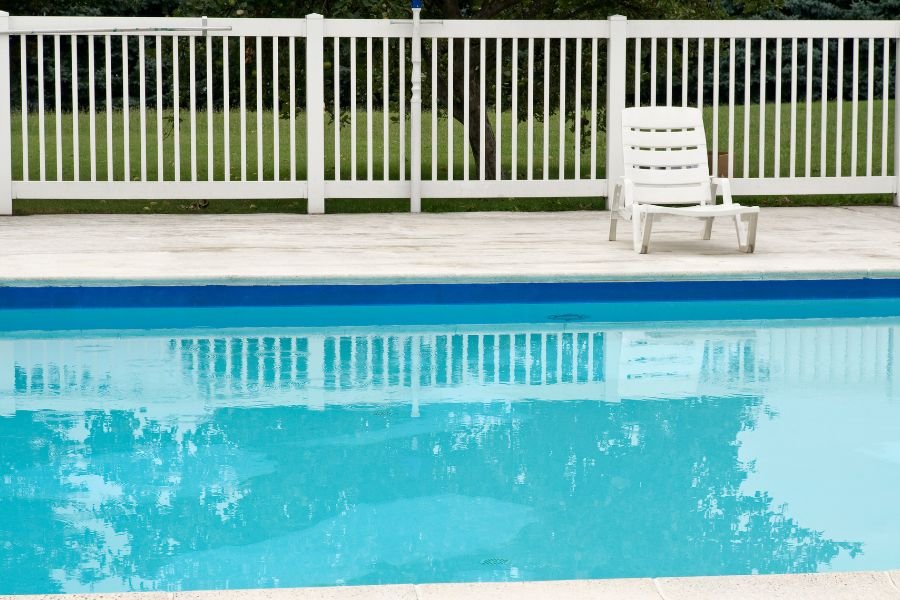
Here’s what deserves emphasis:
The most important safety feature isn’t physical. It’s cultural.
Households that treat pool safety as shared responsibility rather than rule lists create environments where vigilance becomes natural. Adults who model careful behavior set examples that shape understanding. Families that discuss risks openly without creating fear produce members who respect water appropriately.
Physical barriers buy time and create fallbacks. But genuine pool safety foundations rest on teaching every household member — from youngest children to visiting relatives — that water demands respect.
The Conversation You Need Before Signing Anything
When discussing pool projects with contractors, their approach to safety integration reveals priorities.
Do they mention Florida barrier requirements as afterthoughts, or lead with safety as core design philosophy? Do they present multiple fencing options, or steer toward minimum-compliance solutions? Do they discuss safety features in the context of your specific household situation, or treat every client identically?
The answers reveal whether you’re working with someone who understands they’re not just building a pool — they’re creating spaces where families will build memories for decades.
What Peace of Mind Actually Costs
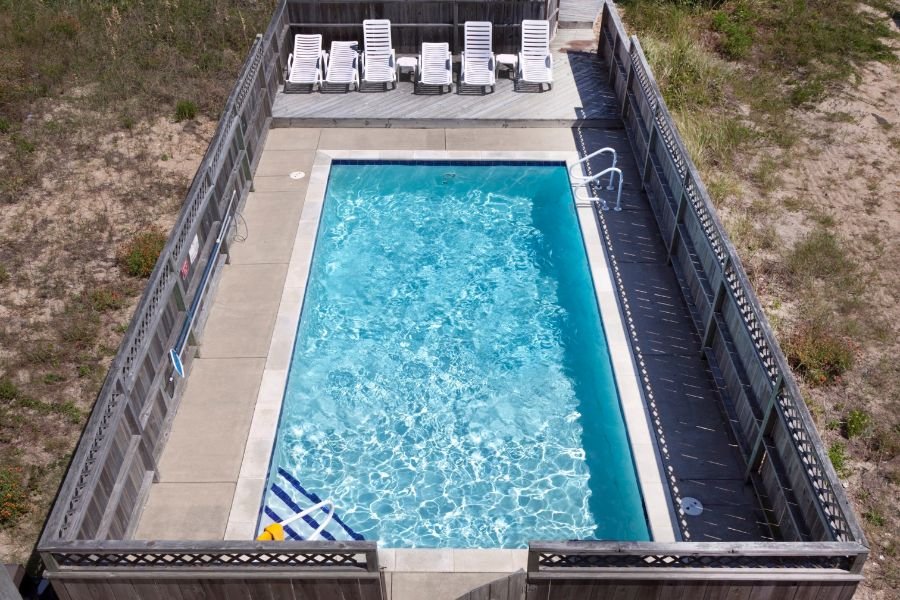
Safety features affect project budgets. That’s unavoidable reality.
Quality fencing systems typically range from $1,500 to $4,000 depending on materials, height, and complexity. Automatic safety covers run between $5,000 and $15,000. Alarm systems might add $200 to $1,000. Specialized design features — beach entries, slip-resistant surfaces, enhanced lighting — vary based on scope.
But consider this reframe:
These aren’t costs. They’re one-time investments that replace annual insurance premiums. They’re what you spend to eliminate the 3 AM worry about whether back doors got locked. They’re the price of stopping worst-case mental scenarios during outdoor play.
Peace of mind doesn’t have a price tag, but you can invest in systems that create it.
The Bottom Line That Actually Matters
Your pool should generate joy, not anxiety. Create memories, not multiply worries.
Families who achieve this balance don’t stumble into it accidentally. They plan carefully, invest thoughtfully, and build multiple protection layers that work together seamlessly. They choose contractors who understand that safety and beauty aren’t competing priorities — they’re complementary goals belonging in the same conversation.
They make planning-phase decisions that eliminate problems before emergence. They create systems functioning even when attention drifts, understanding that while perfection isn’t achievable, redundancy is.
Throughout neighborhoods from Dr. Phillips to Celebration, from Windermere to Lake Nona, families with well-designed pools experience something remarkable: they can watch their children play without constant fear, without mental checklists of potential disasters.
That’s what good pool safety actually looks like. Not restriction and paranoia.
Not fortress walls and hovering supervision.
Just intelligent design, thoughtful systems, and protection that works invisibly while life unfolds beautifully in the foreground.
If you’re wondering how to create a backyard pool that’s both stunning and safe, you’re asking exactly the right question. At Aqua Elite Pools™ we can help you integrate comprehensive protection without compromise. Request a consultation and let’s have an honest conversation about what matters most to your family — then build something that delivers on every level.