
Owning a pool is a dream for many. The thought of enjoying sunny days, having fun with family and friends, and relaxing in your own backyard oasis is a wonderful idea. However, before you dive in and install a pool, it’s essential to understand that there are many costs beyond the initial installation. Keeping your pool in great condition year after year requires ongoing maintenance and budgeting for various expenses that can add up quickly. In this guide, we’ll break down all the ongoing costs of pool ownership, so you can plan ahead and enjoy your pool without worrying about unexpected expenses.
1. Swimming Pool Installation Costs
Before we dive into the ongoing costs of pool ownership, it’s important to briefly touch on the cost of swimming pool installation itself. Depending on the type and size of pool you choose, installation costs can vary significantly. On average, a basic above-ground pool installation can cost anywhere between $1,500 to $5,000, while in-ground pools can cost anywhere from $20,000 to $50,000 or more.
Factors that influence the Swimming Pool Installation cost include the type of pool (fiberglass, vinyl, or concrete), the size of the pool, the location, and any additional features such as decking, lighting, or water features. Make sure to get a detailed estimate from your pool builder, and factor in the costs of permits, excavation, and landscaping. While these initial installation costs are significant, they are only the beginning.
2. Water Costs
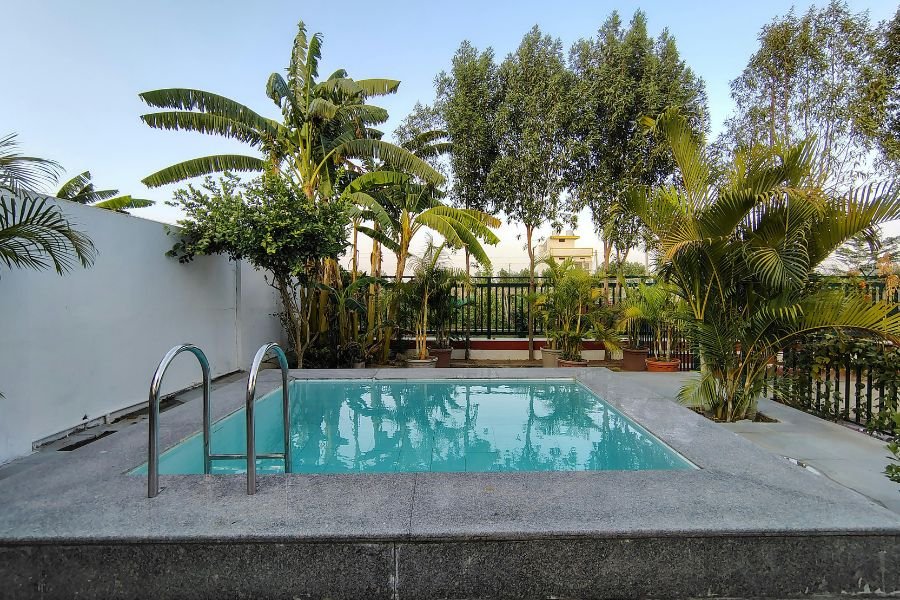
Once your pool is installed, the next major cost to consider is water. Filling up your pool for the first time can take a lot of water, and depending on the size of your pool and the rates in your area, it could cost quite a bit. On average, filling an in-ground pool with 20,000 gallons of water can cost anywhere between $100 to $300. However, larger pools will obviously cost more.
After the initial fill, you’ll also need to regularly top up the pool water. Evaporation, splashing, and heavy use can all cause the water levels to drop. Additionally, in areas with hard water, your pool might need extra water to maintain the balance of chemicals. These ongoing refills can add up over time, so it’s important to budget for them. In some cases, pools may need to be drained and refilled for cleaning or seasonal maintenance, further contributing to water costs.
3. Energy Costs
Pools require a significant amount of energy to keep running, especially if you have a pool heater, lights, or an automatic cleaning system. One of the most significant energy consumers in your pool setup is the pump. The pump circulates the water so that the filtration system can clean it. It’s essential to keep the pump running for several hours each day to maintain water quality, especially during the peak swimming season.
In addition to the pump, pool heaters, lights, and other equipment all use electricity. The costs of running these systems can add up quickly, particularly if you’re heating the pool during cooler months. The cost of heating a pool can range anywhere from $100 to $500 per month, depending on your pool’s size and the efficiency of the heater.
If you want to reduce your energy costs, consider upgrading to energy-efficient equipment. Variable-speed pumps, for example, use less electricity than single-speed pumps and can lower your electricity bill significantly over time. Solar heaters are also an eco-friendly option that can help lower heating costs by using the sun’s energy to warm the pool water.
4. Chemical Costs
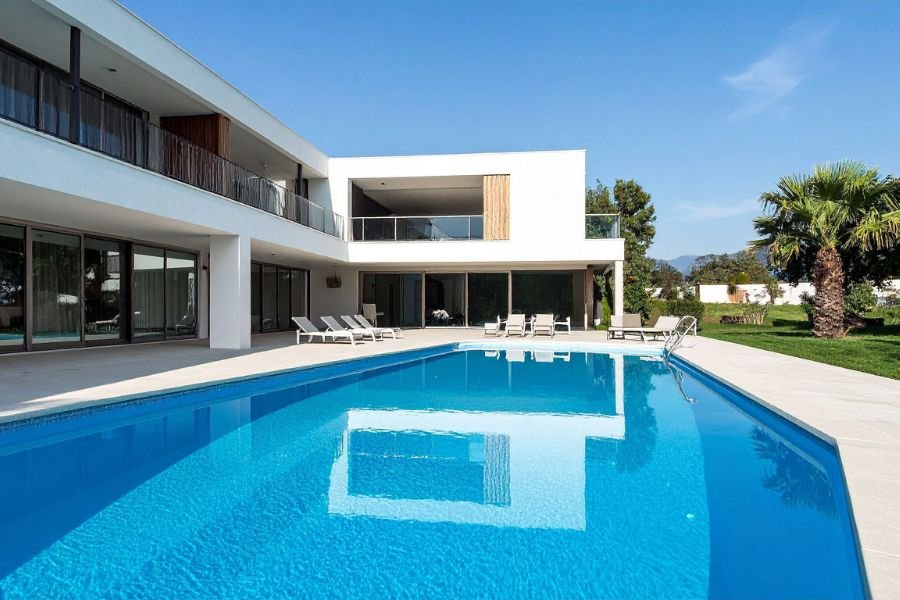
One of the key aspects of maintaining a healthy pool is maintaining proper water chemistry. Your pool will require various chemicals to keep the water clean, clear, and safe for swimming. Chlorine, pH balancers, algaecides, stabilizers, and other chemicals are necessary to keep the water in the correct chemical balance.
On average, pool owners spend between $300 to $500 annually on pool chemicals. The amount you’ll spend will depend on factors such as how often the pool is used, the size of the pool, the weather, and the level of maintenance required. For example, during the summer months when the pool is used frequently, you may need to add more chlorine or other chemicals to maintain balance. On the other hand, if you’re not using the pool as often, you may need fewer chemicals.
Keeping a stock of chemicals on hand and purchasing in bulk can help reduce long-term costs. However, it’s essential to properly store chemicals and follow the manufacturer’s instructions to avoid unnecessary waste or overuse.
5. Cleaning and Maintenance
Regular cleaning and maintenance are essential to keep your pool in top condition. Whether you choose to clean your pool yourself or hire a professional pool service, these costs can add up over time.
If you decide to hire a pool cleaning service, most companies will charge a weekly or monthly fee. On average, pool cleaning services cost anywhere from $100 to $200 per month, depending on the size of the pool and the level of service provided. These services typically include tasks such as vacuuming the pool, skimming debris from the surface, checking chemical levels, and ensuring the pool equipment is functioning properly.
If you prefer to clean your pool yourself, you’ll need to purchase cleaning equipment like pool vacuums, brushes, and nets. The cost of cleaning equipment can range from $50 to $300, depending on the type and quality of the tools. Additionally, you’ll need to budget for replacement parts, such as filter cartridges or pool pump parts, as they wear out over time.
While cleaning your pool yourself may save you money in the short term, it does require regular effort and attention. Neglecting to clean your pool can lead to water quality issues and equipment malfunctions, which could result in more expensive repairs down the line.
6. Pool Equipment Repairs and Replacements
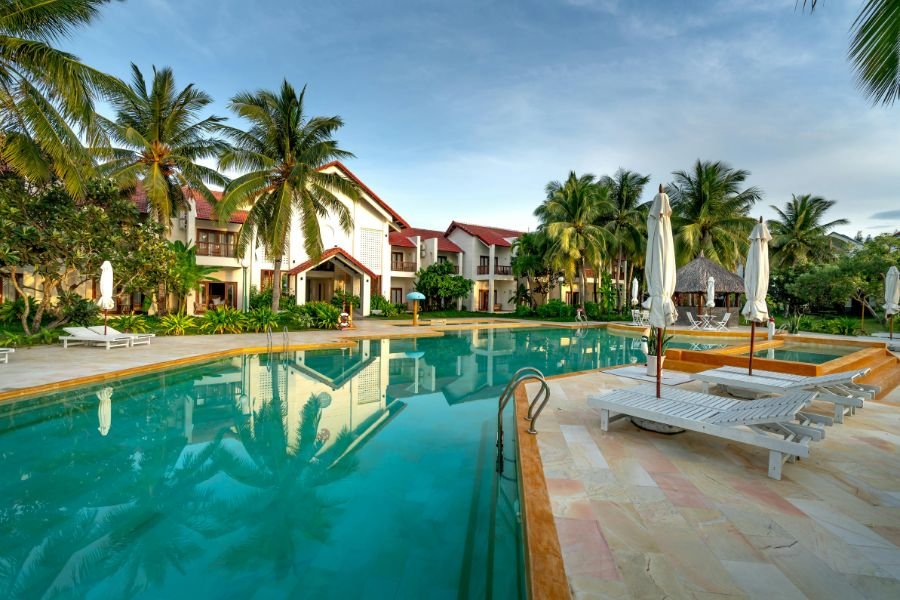
Even with regular maintenance, your pool equipment will eventually need repairs or replacements. Pumps, heaters, filters, and lighting systems are all essential to the proper functioning of your pool, and they can wear out over time.
Repairs and replacements can be costly. For example, replacing a pool pump can cost between $300 to $800, while replacing a pool heater can cost upwards of $1,000. Pool filters and heaters also require regular maintenance to keep them working efficiently, and you may need to replace filter cartridges or cleaning systems every few years.
It’s a good idea to set aside an emergency fund for unexpected pool repairs. Keeping an eye on the condition of your pool equipment and addressing issues as they arise can help prevent more costly repairs in the future.
7. Insurance
Adding a pool to your property will likely increase your homeowner’s insurance costs. Pools are considered a liability, and having one could raise your premiums. Your insurance will cover things like accidents, injuries, or property damage caused by the pool.
Make sure to inform your insurance provider when you install a pool, and ask them about how much your policy will change. Pool Builder Cost can also affect your insurance premiums since more expensive installations may result in a higher value that requires additional coverage.
8. Landscaping and Pool Surrounds
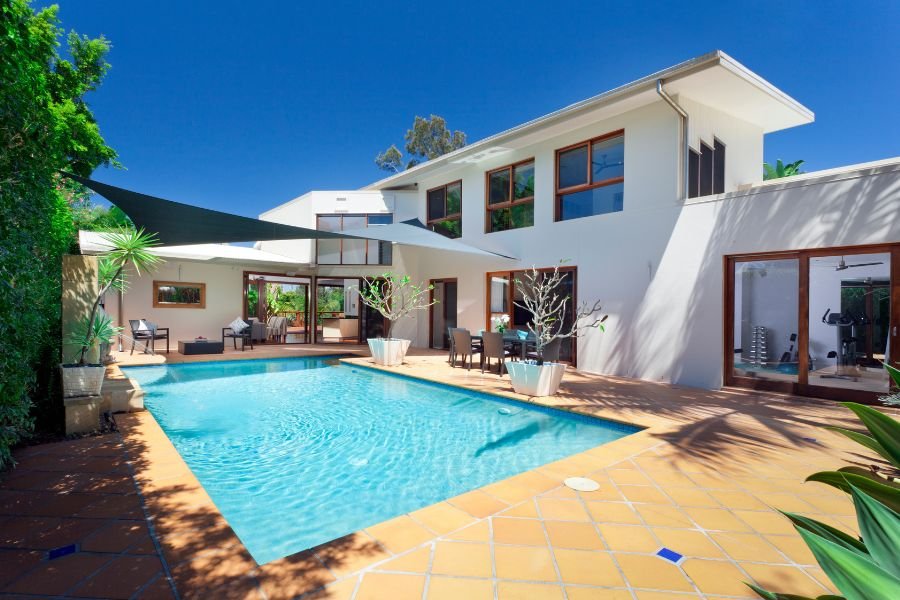
The area surrounding your pool is just as important as the pool itself. Many pool owners choose to install decking, patios, or fencing around their pools to enhance the appearance and safety of the area. Landscaping around the pool can also include things like trees, shrubs, and decorative features.
These improvements can be costly, particularly if you opt for high-quality materials such as natural stone, pavers, or custom decking. Depending on the scope of your project, you could spend anywhere from $2,000 to $10,000 or more on landscaping and pool surrounds. Additionally, landscaping requires regular upkeep. Trees and plants around the pool may drop debris into the water, requiring extra cleaning.
Fencing is another important consideration for safety, especially if you have children or pets. Fencing can cost anywhere from $1,000 to $5,000 depending on the materials and height.
9. Seasonal Costs
If you live in an area where temperatures drop during the winter, you’ll need to close your pool at the end of the season and open it again in the spring. Winterizing your pool typically involves cleaning the pool thoroughly, balancing the water chemistry, and covering the pool to protect it from the cold weather.
Hiring professionals to close your pool for the season can cost anywhere from $200 to $500. When you open the pool in the spring, you’ll need to clean it, check the equipment, and balance the water chemistry again. These seasonal costs are an important consideration, especially if you live in a climate with cold winters.
10. Pool Cover
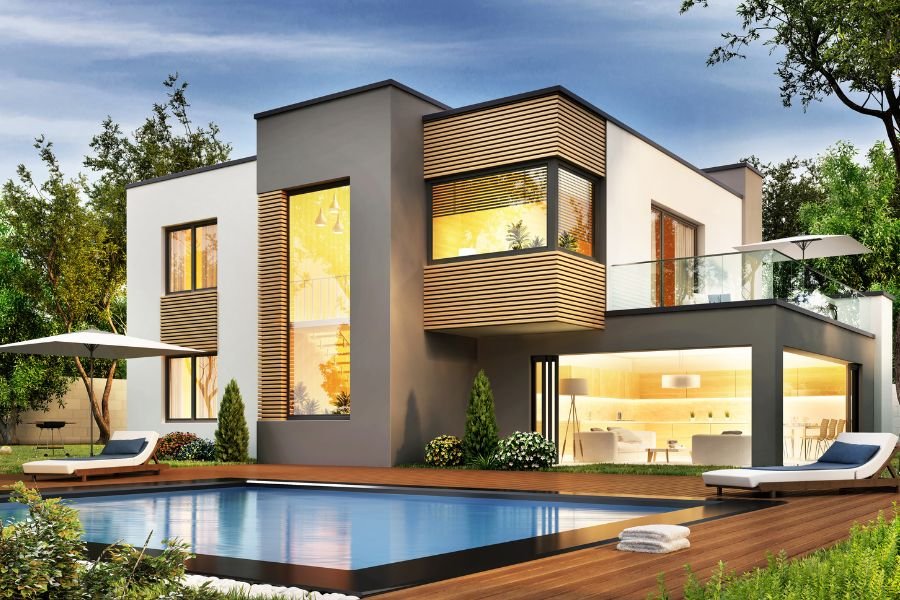
While not a necessity, many pool owners choose to use a pool cover to help keep the water clean and prevent debris from falling into the pool. Covers can also help maintain the temperature of the water, especially if you have a heated pool.
Pool covers come in various types, including safety covers, solar covers, and automatic covers. While covers are an investment, they can save you money on cleaning, heating, and chemical costs over time.
However, pool covers require maintenance and may need to be replaced every few years. The cost of a good-quality pool cover can range from $100 to $1,500 or more, depending on the type and size of your pool.
11. Upgrades and Add-ons
Over time, you may decide to add features or upgrades to your pool. Some popular add-ons include waterfalls, fountains, lighting systems, automatic cleaning systems, and heaters. These features can enhance the beauty and functionality of your pool, but they also come with additional costs.
Upgrades like these can cost anywhere from a few hundred to several thousand dollars. For example, a basic waterfall installation can cost between $1,000 and $5,000, while adding a full automation system could cost upwards of $10,000.
12. Budgeting Tips for Pool Owners
Now that you have an understanding of the various costs associated with pool ownership, it’s important to know how to budget for them. Here are some practical tips to help you manage the expenses:
- Create a Pool Maintenance Plan: Set up a regular cleaning and maintenance schedule to keep your pool in top condition and prevent costly repairs.
- Set Aside an Emergency Fund: Always have money saved for unexpected repairs or emergencies. Pool equipment can break down, and it’s better to be prepared than to be caught off guard.
- Consider Energy-Efficient Equipment: Investing in energy-efficient equipment such as LED lights, variable-speed pumps, and solar heaters can help reduce energy costs over time.
- Use Pool Covers: A good-quality pool cover can help keep your pool clean and reduce the need for additional cleaning and chemicals.
- Get a Pool Maintenance Contract: If you hire a professional to clean your pool, consider setting up a maintenance contract. This can help you manage your budget and ensure regular care.
Conclusion
Owning a pool is an exciting and enjoyable experience, but it’s important to remember that there are many costs involved beyond swimming pool installation. From water and energy expenses to cleaning, repairs, and equipment, these ongoing costs can add up quickly. By understanding these costs and budgeting for them, you can avoid surprises and enjoy your pool for years to come.
Remember, pool ownership is a long-term commitment. By staying on top of maintenance and planning for future expenses, you can ensure your pool stays in great shape and provides endless enjoyment. If you’re ever unsure about the costs or how to maintain your pool, don’t hesitate to reach out to a professional who can help guide you through the process and ensure your pool stays balanced year-round.
Happy swimming!