
There’s a particular kind of silence that settles over a pool deck in January. Not the thick, frozen silence of northern winters—nothing quite that dramatic here in Florida. But a quietness nonetheless. A stillness that comes when water sits too cool for comfortable swimming, when family gatherings shift indoors, when a backyard oasis remains unused while the mortgage payment doesn’t take a month off.
This phenomenon affects homes across Central Florida’s premier communities—from the established elegance of Winter Park to the modern sophistication of Lake Nona, from the family-oriented neighborhoods of Winter Garden to the resort-style living of Celebration. Homeowners in Dr. Phillips and Windermere face the same question: when you’ve invested significantly in outdoor living space, does it make sense to extend your swimming season beyond Florida’s warmest months?
The question isn’t really whether Florida pools need heating—it’s about understanding what you’re actually buying when you invest in a pool, and whether spending a bit more upfront might transform a six-month amenity into a year-round lifestyle enhancement.
The Uncomfortable Truth About Florida's "Tropical" Climate
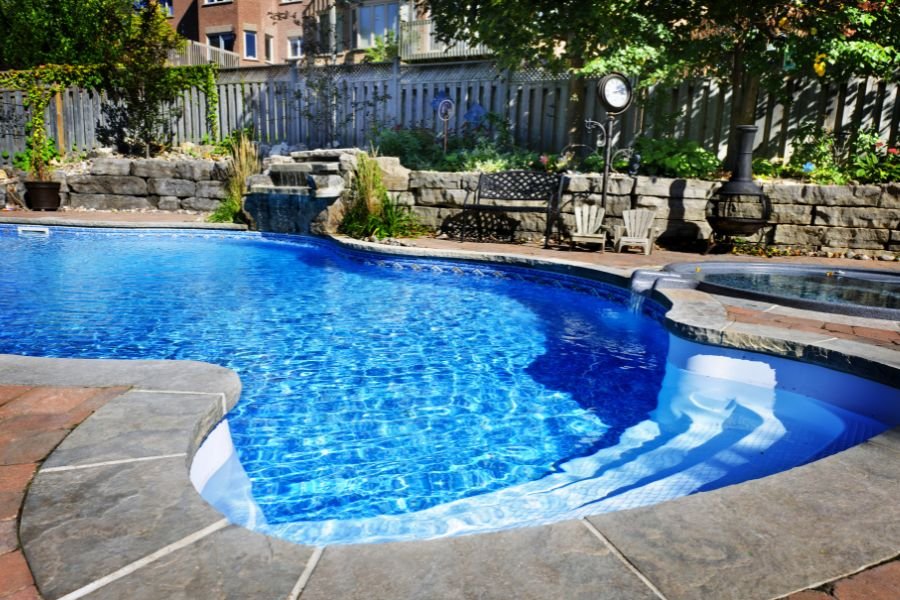
Florida’s climate, while certainly warmer than most of the continental United States, experiences seasonal temperature variations that can make unheated pools uncomfortable from roughly October through March. The average winter water temperature in an unheated Central Florida pool hovers around 65-70 degrees—tolerable for a quick dip, perhaps, but not exactly the inviting warmth that makes you want to linger.
And here’s what the brochures don’t tell you: pool water loses heat through evaporation, radiation, and convection. Even on a pleasant 75-degree February afternoon, that water might feel shockingly cold. Your body temperature is 98.6 degrees. Water at 70 degrees pulls heat from your body faster than you’d imagine. What feels refreshing in August feels punishing in January.
This matters more than you might think. Families in neighborhoods like Lake Nona and Windermere aren’t building pools as decorative water features—they’re investing in lifestyle amenities. When that amenity sits unused for half the year, the value proposition shifts dramatically. The pool becomes less a gathering place and more a very expensive lawn ornament that still requires maintenance, chemicals, and cleaning whether anyone’s using it or not.
Consider what this means in practical terms: imagine investing $50,000-$80,000 in a beautiful pool, only to find yourself looking through the window at it for six months each year, knowing it’s there but too uncomfortable to use. That’s the reality many Central Florida homeowners face without adequate heating solutions.
The Four Main Pool Heating Systems: What Actually Works in Florida
The good news is that heating technology has evolved considerably. You’re not limited to one-size-fits-all solutions anymore. The challenge is understanding which system aligns with your actual usage patterns, budget, and environmental values.
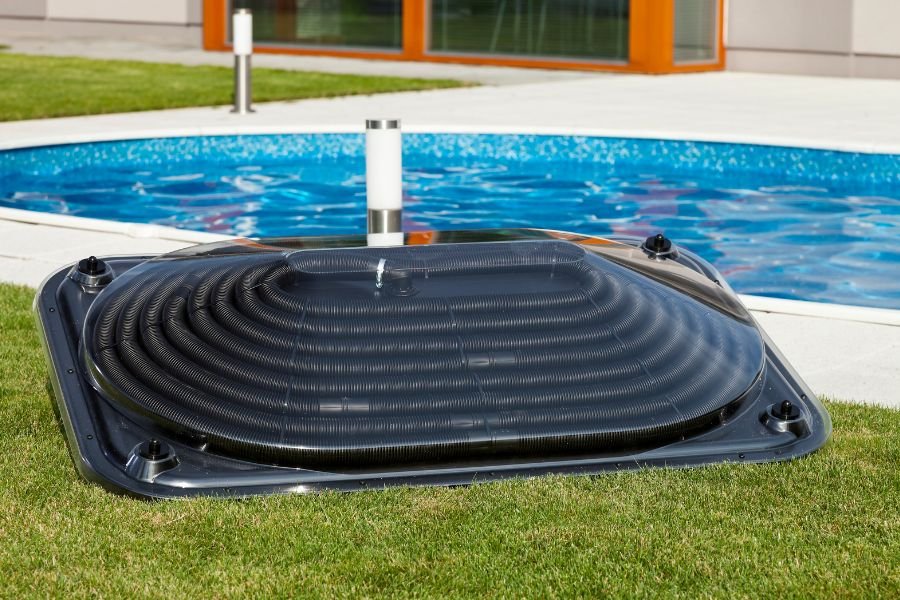
Solar pool heating represents perhaps the most Florida-appropriate solution. The technology is elegantly simple: dark panels absorb sunlight and transfer that heat to water pumped through them. Solar heating systems can extend your swimming season significantly while operating at minimal ongoing cost, though they require adequate roof or ground space and work best with proper sun exposure.
The economics make sense in ways that resonate with practical homeowners. After the initial installation investment—typically running between $3,000 and $7,000 for a standard residential pool—your heating costs drop to essentially nothing beyond the electricity to run the existing pool pump. In a state blessed with abundant sunshine even in winter months, you’re leveraging a resource you’re already receiving for free.
But solar heating isn’t without limitations. Cloudy days mean slower heating. The system works best when it’s needed least—during Florida’s abundant sunny periods. And you’ll need 50-100% of your pool’s surface area in solar panels, which means significant roof space or dedicated ground mounting. For homes in neighborhoods like Winter Park or Celebration where architectural aesthetics matter, or where lot sizes limit ground mounting options, this can present challenges.
Gas heaters offer the opposite value proposition. They heat water quickly, work regardless of weather conditions, and require minimal space. Turn them on, and within hours your pool reaches comfortable temperatures. This makes them ideal for occasional use or for heating spas that need rapid temperature increases.
The trade-off? Operating costs that can make your eyes water. Natural gas or propane heating can run $300-$600 monthly during peak usage in winter, depending on your desired temperature and how well your pool retains heat. Think about that: you could be spending the cost of a weekend getaway every single month just to keep your pool comfortable during cooler weather.
Electric resistance heaters fall into a similar category—effective but expensive to operate. They’re generally smaller than gas heaters, suitable for spas or very small pools, but the electrical costs make them impractical for standard residential pools in most cases.
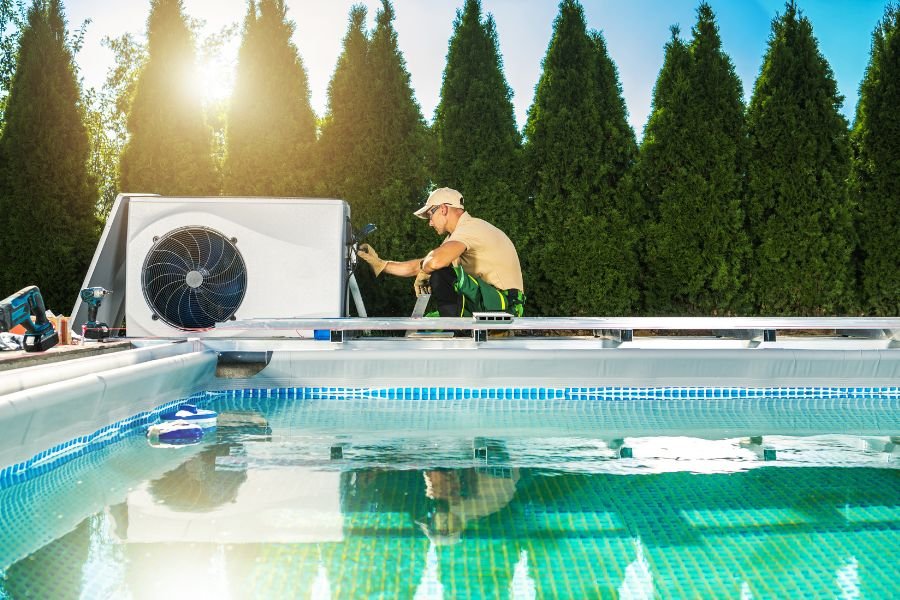
Heat pumps represent the technological middle ground that’s gained considerable popularity in Florida’s climate. Rather than generating heat directly, they extract warmth from the air and transfer it to pool water. Think of them as reverse air conditioners for your pool. Heat pumps operate efficiently in Florida’s mild winter climate, typically costing 50-75% less to run than gas heaters while providing consistent heating performance. They work effectively when air temperatures stay above 45-50 degrees—which in Central Florida’s Winter Garden, Windermere, and Lake Nona areas describes the vast majority of winter days.
The initial investment runs higher than gas heaters—expect $3,000-$6,000 for equipment and installation—but the operational efficiency changes the long-term economics dramatically. Running costs typically range from $50-$150 monthly during winter, depending on usage and desired temperature. Over a decade, a heat pump can save you $20,000-$30,000 compared to gas heating with similar usage patterns.
The Real Cost-Benefit Analysis Nobody Shows You
Here’s where things get interesting. Most pool heating discussions focus narrowly on equipment costs and monthly utility bills. But the actual calculation involves factors that don’t show up on energy statements.
Consider the alternative cost of not heating. If your pool sits unused six months yearly, you’re essentially getting 50% return on your pool investment. A $50,000 pool that’s only usable half the year is effectively a $100,000-per-year amenity when you calculate actual cost per month of use. Add heating that extends your season by three to four months, and suddenly that same $50,000 investment is working eight to nine months annually.
The math shifts even more dramatically when you consider property values. Pools with heating systems generally command higher resale values and appeal to a broader buyer pool in Florida’s competitive real estate market, particularly in sought-after communities like Dr. Phillips, Celebration, and Winter Park. The difference between a four-season pool and a six-month pool shows up in market prices. Savvy buyers recognize that a heated pool represents genuine year-round lifestyle enhancement rather than a seasonal amenity.
Then there’s the harder-to-quantify value of actually using what you’ve built. Picture this scenario: a family planning to visit community pools or recreation centers three times weekly during winter because their own pool is too cold. Between admission fees, concessions, and the time investment of driving across town, you might spend $150 weekly. A heat pump costing $150 monthly suddenly looks like financial wisdom rather than luxury spending—and your family enjoys the convenience and privacy of their own backyard rather than navigating crowded public facilities.
Matching Heating Systems to Real Usage Patterns
The question of whether you need pool heating in Florida isn’t binary—it’s about understanding your specific situation and priorities.
Families planning daily use year-round—those in neighborhoods like Dr. Phillips or Winter Park where the pool serves as the primary outdoor entertainment space—will find heating systems pay for themselves through extended usability. Heat pumps generally make the most sense here: efficient enough for regular use, effective enough to maintain comfortable temperatures throughout Florida’s mild winters.
Weekend entertainers face a different calculation. If you’re heating the pool primarily for Saturday gatherings and Sunday family time, gas heating’s rapid warm-up capability might outweigh the higher operating costs. You’re not running the system continuously, so that $400 monthly operational cost becomes $100 for the four days you actually use it.
Empty nesters and retirees often discover that solar heating aligns perfectly with their lifestyle. They’re home during peak sunshine hours, they’re using the pool for exercise and wellness rather than children’s play, and they’re particularly sensitive to ongoing operational costs on fixed incomes. The fact that solar heating works best during sunny days doesn’t matter much when you have flexible schedules and can adjust swimming times accordingly.
For those treating pool heating primarily as a wellness investment—particularly in active adult communities throughout Winter Garden, Windermere, and Celebration where pools serve as social hubs—the calculation shifts toward reliability and comfort consistency. Heat pumps again emerge as the practical choice, providing steady, predictable temperatures that support regular exercise routines and therapeutic applications.
The Variables That Change Everything
Pool heating efficiency depends dramatically on factors many homeowners don’t consider until after installation. These variables can turn a theoretically perfect system into a disappointment, or transform what seems like an expensive option into the smartest investment you’ll make.
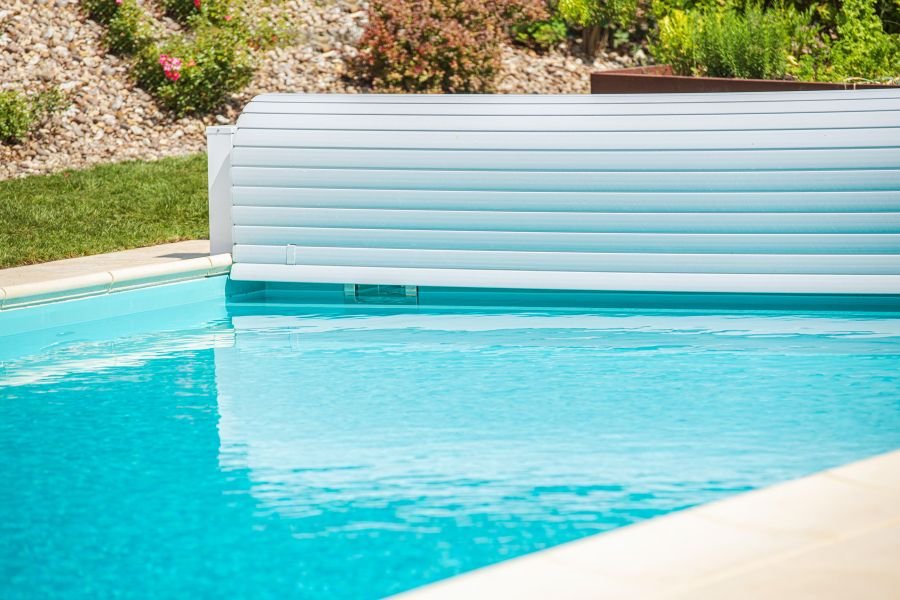
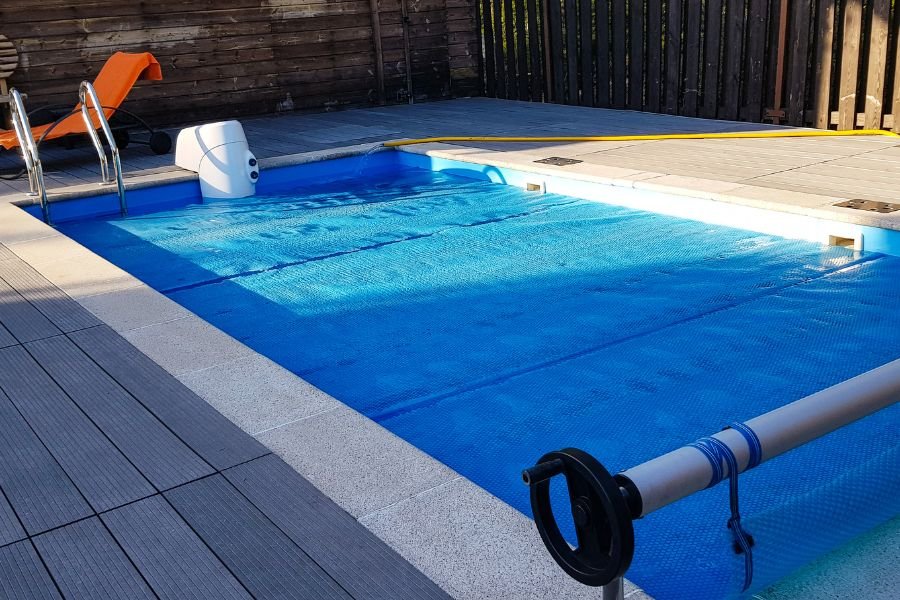
Pool covers represent perhaps the single most impactful accessory for any heating system. An uncovered heated pool is essentially an open pot on a stove—you’re heating water that’s constantly losing warmth through evaporation and radiation. Quality pool covers can reduce heating costs by 50-70% while also minimizing water evaporation and chemical usage.
The covers aren’t cheap—expect $600-$2,500 for quality automatic or manual systems—but they’re transformational. That $150 monthly heat pump operational cost drops to $50-$75 with proper cover usage. The payback period is typically under two years, and the cover continues saving money for 5-7 years of useful life.
Pool size and volume obviously affect heating costs, but not always in ways homeowners anticipate. Larger pools cost more to heat initially but can actually be more efficient to maintain at temperature due to thermal mass. Smaller pools heat quickly but also cool quickly. The relationship isn’t linear, which means getting accurate projections requires detailed calculations specific to your pool’s dimensions.
Wind exposure creates heating challenges that catch many homeowners off guard. A pool in a protected courtyard setting heats faster and retains warmth better than an identical pool on an exposed lot. Wind strips heat from water surfaces through evaporative cooling—the same principle that makes you feel cold stepping out of the shower. If your pool site faces consistent prevailing winds, you’ll need additional heating capacity or wind barriers to maintain comfortable temperatures.
Desired temperature dramatically impacts operational costs. Every degree above ambient temperature costs money. Heating your pool to 82 degrees versus 78 degrees might seem like a minor comfort adjustment, but it can increase heating costs by 20-30%. Most families find the sweet spot around 78-80 degrees—warm enough for comfortable swimming, not so hot that you’re paying for unnecessary luxury.
The Decision Framework for Florida Homeowners
Making the right choice about pool heating in Florida requires honest assessment of your actual lifestyle and priorities rather than idealized visions of how you’ll use your pool.
Start with usage expectations. If you’re installing a pool primarily for children’s entertainment and family gatherings, year-round heating makes tremendous sense. Kids don’t care that it’s January—they want to swim. Heating extends your pool’s useful life from six months to potentially eleven months (nobody swims in July and August’s afternoon thunderstorms regardless of water temperature).
For those building pools as entertaining spaces—the families in Lake Nona or Windermere who envision weekend gatherings and dinner parties—consider how often you’ll actually host during cooler months. If the answer is “frequently,” heating becomes essential rather than optional. An unheated pool in February isn’t a conversation piece—it’s an uncomfortable reminder of what you can’t do.
Exercise enthusiasts and wellness-focused homeowners generally find heating non-negotiable. Swimming for fitness or therapy requires regular, consistent access. An unheated pool might be tolerable in December for dedicated athletes, but it eliminates the consistency that makes swimming an effective exercise routine.
Budget consciousness shouldn’t mean avoiding heating altogether—it should mean choosing the right system for your financial situation. Solar heating requires the largest upfront investment but the lowest ongoing costs. Gas heating offers the smallest initial expense but the highest operational costs. Heat pumps split the difference, providing efficient heating without solar’s space requirements.
Geographic nuances within Central Florida matter more than many realize. The Lake Nona, Winter Park, and Dr. Phillips areas experience slightly cooler winters than South Florida, making heating more valuable for extending the swimming season. Communities like Winter Garden and Celebration, with their family-oriented demographics, often see particularly high returns on heating investments as active families use pools year-round.
The Path Forward: Making Your Decision
Here’s what the decision often comes down to: Are you building a pool for the postcard-perfect Florida summer, or are you creating a year-round family gathering place? The answer shapes everything.
The families who get pool investments right understand that heating isn’t just about water temperature—it’s about maximizing the return on a substantial investment. A $60,000 pool with a $5,000 heating system that sees regular use nine months yearly provides better value than a $55,000 pool that sits unused half the year.
Consider also your plans for the home itself. If you’re building your forever home in a community like Dr. Phillips or Celebration, investing in quality heating makes perfect sense. The costs amortize over decades of use. But if this is a five-to-seven-year house, the calculation shifts toward systems that add resale value without requiring you to recoup ongoing operational costs.
Talk to families who’ve lived with different heating systems in your area. The theoretical performance of any heating system matters less than real-world experience from neighbors in Winter Garden, Windermere, or Lake Nona with similar usage patterns and expectations. What works beautifully for weekend-only swimmers may be inadequate for daily users, and vice versa.
The Bottom Line
Do you really need pool heating in Florida? The honest answer is that Florida’s climate makes heating optional rather than essential—but optional doesn’t mean unnecessary.
For many families, particularly those treating pools as primary outdoor entertainment spaces or exercise facilities, heating transforms a good investment into a great one. The difference between a pool you can use comfortably eight months yearly versus six months represents a 33% increase in value for a relatively modest additional investment.
The key is matching the heating system to your actual lifestyle rather than theoretical usage. Solar heating excels for Florida’s abundant sunshine but requires space and patience. Gas heating provides rapid warmth at premium operating costs. Heat pumps offer the balanced efficiency that serves most Florida families well. And any heating system works dramatically better with a quality pool cover and realistic temperature expectations.
What you’re really buying isn’t just warmer water—it’s the extension of your investment’s useful life, the elimination of that January silence, and the knowledge that your backyard oasis serves your family year-round rather than sitting dormant through Florida’s most pleasant outdoor weather.
The sound of running water doesn’t have to be seasonal. With the right heating system, it becomes the year-round heartbeat of a home built not just for summer, but for living well every month of the year.
This article provides general information about pool heating options in Florida. Specific costs, system performance, and recommendations vary based on individual circumstances, local utility rates, and pool characteristics. Consult with us at Aqua Elite Pools for detailed assessments and accurate cost projections for your specific situation.