
Pool circulation keeps your water crystal clear, healthy, and safe for swimming. While a swimming pool is a wonderful addition to any backyard for relaxation and family fun, its long-term health depends entirely on how water moves inside the basin. When water sits perfectly still, it quickly becomes stagnant. Stagnant water turns into a magnet for dirt, creates a breeding ground for insects, and allows green algae to grow rapidly along the walls and floor.
To prevent these issues, modern pool builders use strategic design features that keep currents moving constantly through every corner of the pool. Planning your layout with smart water movement in mind ensures that sanitising chemicals mix evenly and temperature levels stay perfectly balanced. Making circulation a priority in your initial design reduces your weekly chemical costs, lowers your monthly energy bills, and cuts down on manual skimming time. Choosing the right structural features allows you to enjoy a pristine, self-cleaning backyard oasis that stays refreshing all year long.
Why Water Circulation Matters
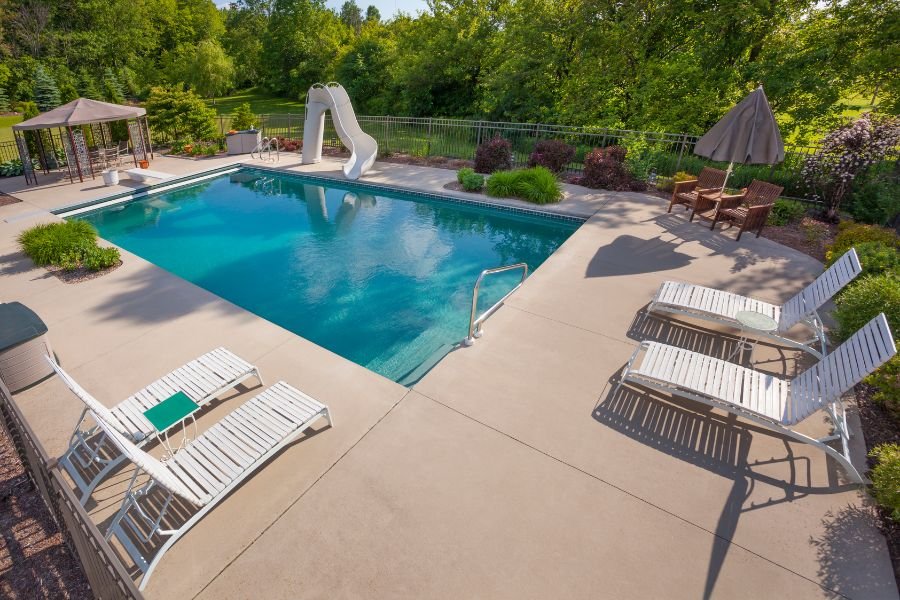
Before looking at design features, it is important to understand why water movement is vital for your pool.
- Even Chemical Distribution: When you add chlorine or other sanitisers to your pool, they need to mix evenly. Good water movement carries these chemicals to every corner, preventing bacterial growth.
- Temperature Balance: Pools can develop warm and cold layers. Sunlight heats the surface water, while the bottom stays chilly. Proper circulation mixes these layers so the entire pool feels comfortable.
- Effective Filtration: Your pool filter cannot clean water that does not reach it. Excellent water movement pushes debris, leaves, and dust towards the skimmers and main drains so the filter can remove them.
- Algae Prevention: Algae thrives in quiet, still water. Moving water makes it very difficult for algae spores to settle and grow on your pool walls and floor.
Key Pool Design Features That Boost Water Movement
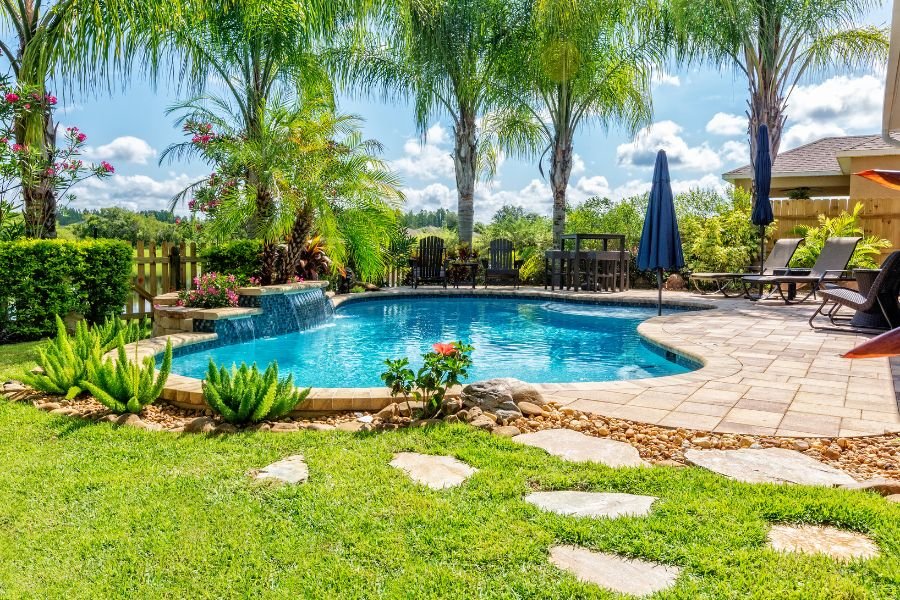
If you are planning a new pool construction or a major remodel, you can choose specific layout features that naturally improve how water flows. Here are the best design elements to consider.
1. Advanced Return Jet Placement
Return jets are the openings where clean, filtered water pushes back into the pool. Many standard pools only have two or three return jets. To get the best water movement, a pool needs multiple jets placed in strategic locations.
- Angled Flow: Jets should be pointed downward and in a consistent direction, such as clockwise or counter-clockwise. This creates a circular vortex or whirlpool effect.
- Dead Zone Elimination: Every pool has “dead zones” where water tends to trap. These areas include tight corners, behind steps, and around swim benches. Installing dedicated return jets in these spots keeps the water fresh and moving.
2. Infinity Edges and Vanishing Details
An infinity edge pool, also known as a vanishing edge or negative edge pool, is incredibly beautiful. Water flows over one or more edges into a catch basin below, creating a seamless view of the horizon.
Beyond the stunning visual appeal, an infinity edge is a powerhouse for water circulation. The top layer of pool water holds the most debris, body oils, and sunscreen. Because the water constantly spills over the edge, the surface is continuously skimmed and cleaned. The water in the basin is then pumped back through the filtration system, creating a highly efficient loop.
3. Perimeter Overflow Systems
Similar to an infinity edge, a perimeter overflow pool is designed so that the water level sits exactly flush with the top deck. The water overflows into a hidden slot or gutter running around the entire boundary of the pool.
This layout creates a 360-degree skimming action. No matter which way the wind blows, leaves and dust are immediately pushed out of the pool and into the overflow channel. This setup maximises surface water movement and keeps the pool looking like a polished mirror.
4. In-Floor Cleaning Systems
An in-floor cleaning system uses a network of pop-up nozzles embedded directly into the pool floor. While their primary job is to clear dirt and debris, they double as an incredible circulation system.
The nozzles pop up in a specific sequence, shooting streams of pressurised, filtered water across the pool floor. This action pushes heavy dirt towards the main drain. Because these jets are located at the very bottom of the pool, they push clean, warm water upward. This completely eliminates cold layers and distributes pool chemicals perfectly from the bottom up.
5. Multi-Level Layouts and Tanning Ledges
Many modern pools include raised features, such as elevated spas, tanning ledges (also called ‘baja shelves’), or tiered water levels. These features naturally assist water dynamics.
- Spas: When a raised spa overflows into the main pool via a spillway, it creates a waterfall. This action adds kinetic energy to the pool surface, driving water movement down and outward.
- Tanning Ledges: Tanning ledges are very shallow areas. Because they hold less water, they can heat up quickly. Adding small bubbler jets or dedicated returns to a tanning ledge forces that shallow, warm water to circulate out into the deeper sections of the pool.
Comparing Design Features and Their Impact
To help you decide which features fit your project, this table compares how different design choices affect your pool’s ecosystem.
| Pool Design Feature | Primary Circulation Benefit | Best For | Maintenance Impact |
|---|---|---|---|
| Strategic Return Jets | Eliminates stagnant corners and creates a circular vortex flow. | Every pool type and shape. | Lowers manual brushing time by preventing dead zones. |
| Infinity Edge | Continuously clears the top layer of debris across a wide edge. | Backyards with scenic views or slopes. | Keeps the pool surface spotless automatically. |
| Perimeter Overflow | Provides 360-degree surface skimming for maximum cleanliness. | Modern, flat geometric pool layouts. | Highly reduces surface debris accumulation. |
| In-Floor Nozzles | Mixes water from the bottom up, evening out temperature. | Large pools and high-debris areas. | Drastically cuts down the need for vacuuming. |
| Raised Spillways | Adds surface movement and oxygenates the water. | Pools with integrated hot tubs or spas. | Enhances filtration path from spa to main pool. |
The Role of Pool Shapes in Water Flow
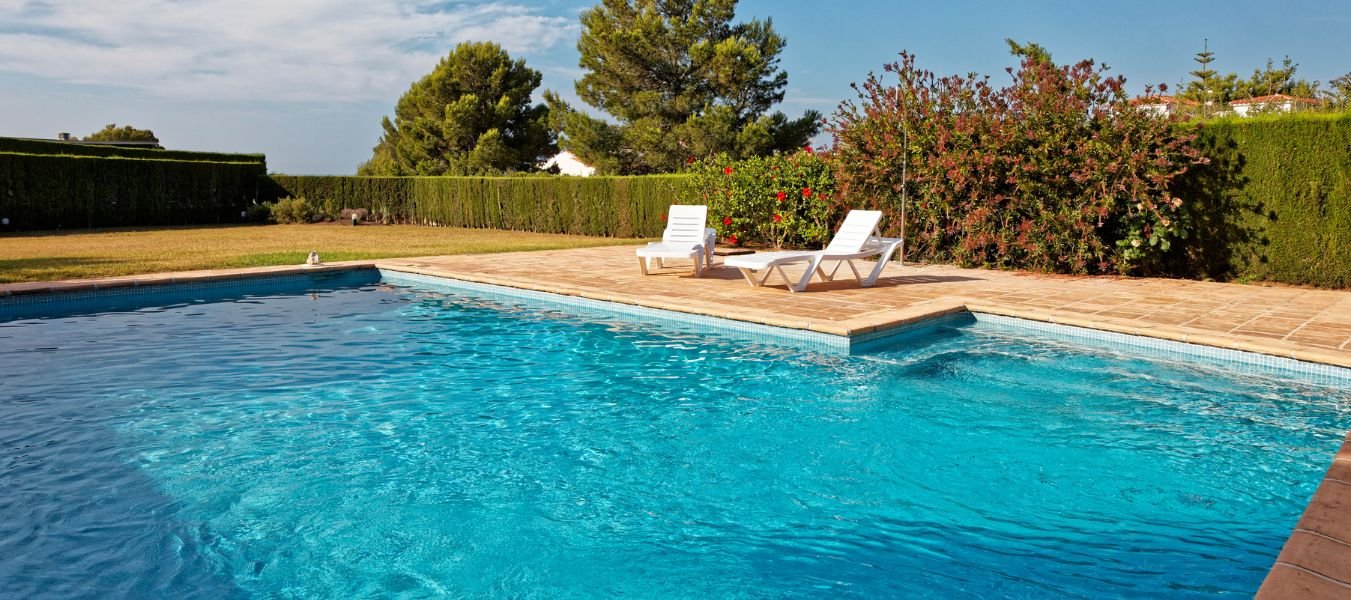
The physical shape of your pool plays a massive role in how easily water travels. When choosing a shape, think about how currents will move through the space.
- Geometric and Rectangular Pools: Rectangular pools have long, straight lines. Water flows easily along the sides, but the 90-degree corners can become problematic dead zones. If you choose a geometric pool, ensure your builder adds return jets near the floor of every corner to push trapped water outward.
- Freeform and Curved Pools: Freeform pools feature organic, flowing curves. These shapes are excellent for natural water currents. The rounded walls allow water to glide smoothly in a circular path without hitting sharp obstacles. However, deep alcoves or tight curves still require dedicated return jets to maintain momentum.
Smart Equipment That Enhances Pool Design
Great design layout must be paired with efficient mechanical equipment to reach peak performance.
- Variable Speed Pumps: The pool pump is the heart of the entire circulation system. Older single-speed pumps run at one high speed all day, which wastes electricity. A variable speed pump allows you to run the filtration system at lower, energy-efficient speeds for longer periods. Running your pump longer at a lower speed keeps water moving continuously, which is much better for your pool than short bursts of high-speed pumping.
- Hydraulic Engineering: Before digging the pool, proper hydraulic planning is essential. This means calculation of pipe diameters, flow rates, and pressure requirements. Using wider plumbing pipes (such as two-inch pipes instead of 1.5-inch pipes) reduces friction. Lower friction allows the water to travel faster and more freely with less effort from the pump.
Extra Benefits of Active Water Movement
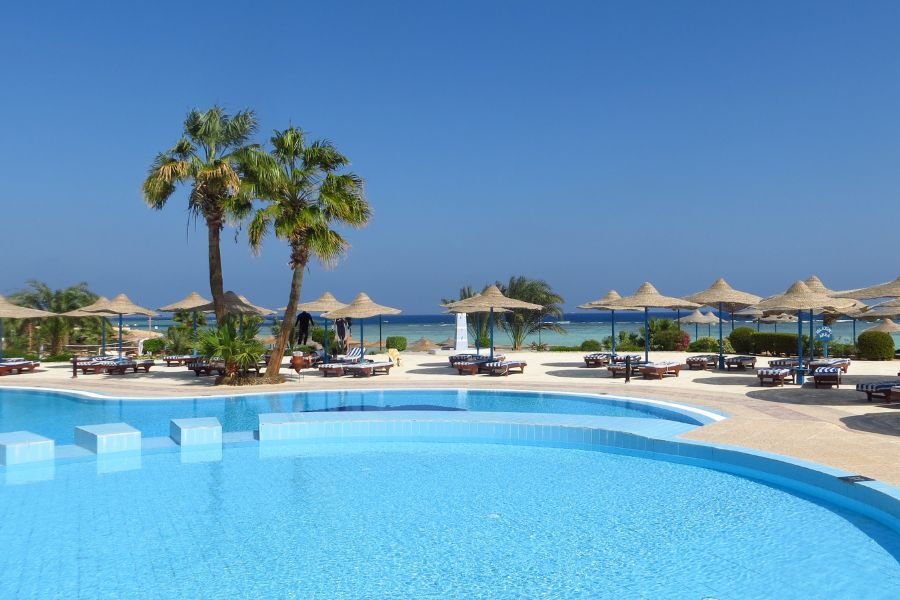
Investing in features that improve pool circulation gives you several extra rewards that make pool ownership more enjoyable.
- Better Heat Distribution: If you use a solar heater, gas heater, or electric heat pump, you want that warm water distributed evenly. Good design features ensure that heated water does not stay clustered right next to the heater output. Instead, the heat spreads quickly, making the pool comfortable from end to end.
- Reduced Chemical Costs: When water is stagnant, you need to use more chemicals to shock the pool and kill algae blooms. Consistent water movement allows your daily sanitizer levels to stay stable. You will find yourself buying fewer chemicals, saving you money throughout the swimming season.
- Extended Equipment Lifespan: When your pool design promotes smooth water flow, your filtration equipment does not have to work twice as hard to clear out heavy build-ups. Your pool filter, pump, and automatic cleaner will experience less wear and tear, helping them last longer before needing repairs.
Tips for Maintaining Excellent Pool Circulation
Even with the best design features, you should practice regular habits to keep your water moving perfectly.
- Clean Basket Filters Regularly: Empty your skimmer and pump baskets weekly. Clogged baskets block water flow, slowing down the entire system.
- Position Jet Nozzles Correctly: Check your return jets occasionally. Ensure they point in a uniform direction to maintain the circular flow pattern, and angle them slightly downward to stir up the deep water.
- Brush the Dead Spots: If your pool has a unique shape, brush behind the steps and ladders once a week to move any hidden debris into the main current.
- Run the Pump Adequately: Ensure your pump runs long enough each day to turn over the complete volume of your pool water at least once, ideally twice during hot summer months.
Conclusion
A beautiful swimming pool is an investment in your home and lifestyle. By choosing design features that focus on water movement, you ensure that your pool remains a sparkling, refreshing oasis. Features like strategic return jets, infinity edges, and in-floor systems do heavy work behind the scenes to keep the water healthy.
When planning your pool layout, focus on how the water will flow. Talk with your builder about your circulation goals during the early design phases. A pool built with excellent water movement saves time, reduces energy costs, and provides a cleaner swimming environment for your family every single day. Ready to build or upgrade your pool? Contact us today to discuss the perfect circulation design features for your backyard.