
Pool coping is more than just an edge around your pool. It protects the pool structure, keeps swimmers safe, and gives your backyard a polished look. Choosing the right coping can make your pool area both functional and stylish. With so many options, it can feel confusing. This guide explains the most common pool coping materials, their durability, and how they affect the style of your pool.
We’ll cover concrete, natural stone, brick, pavers, and more. You’ll also learn about maintenance, safety, and how to choose the best option for your backyard.
What Is Pool Coping?
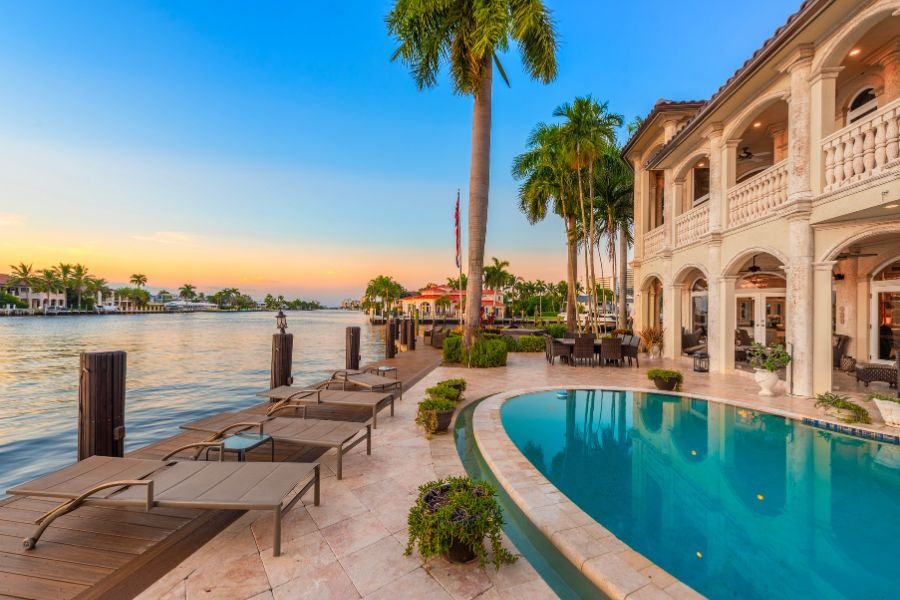
Pool coping is the material that forms the top edge of your pool. It creates a barrier between the water and your deck, keeping water from spilling onto surfaces or damaging the pool structure. Coping also provides a smooth edge for swimmers to hold or sit on.
Besides safety, coping affects your pool’s look. The right material can match your deck, blend with your landscape, or create a luxurious focal point. It also helps keep water from eroding your pool walls and can make cleaning easier.
Why Pool Coping Matters
Coping may seem like a small detail, but it’s very important. Without proper coping, water can leak behind the pool walls, causing damage over time. Rough or slippery edges can be unsafe for swimmers.
Good coping improves comfort, prevents accidents, and enhances your pool’s appearance. It’s one of the first things people notice about your pool. A well-chosen coping can increase the value of your home while protecting your investment.
Popular Pool Coping Materials
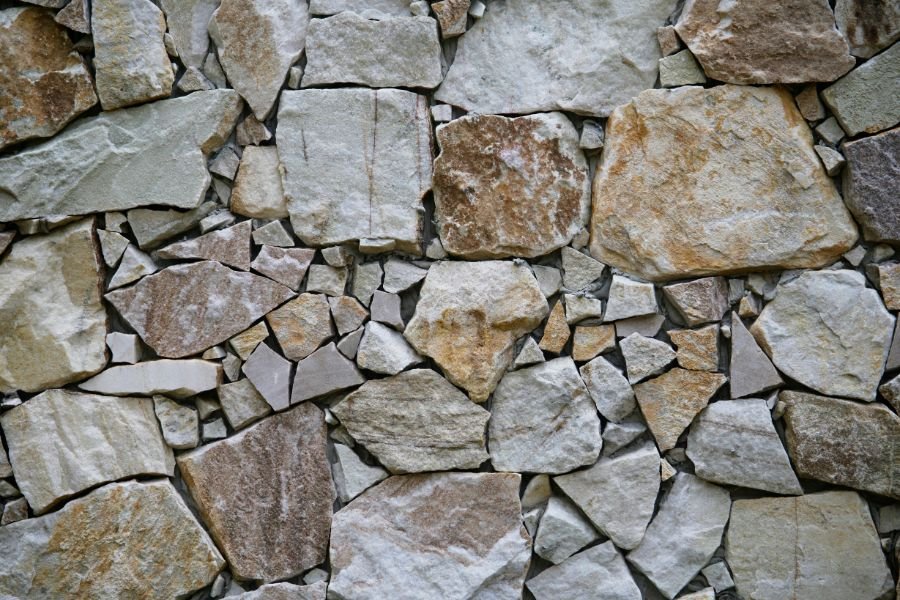
There are many materials to choose from, each with its benefits, look, and cost. Here are the most common options explained in simple terms.
Concrete
Concrete is one of the most popular pool coping materials. It is strong, durable, and versatile. You can pour it into any shape, which makes it ideal for round, oval, or freeform pools.
Concrete can be colored, stamped, or textured to match your backyard design. It can look like stone, brick, or even tile. Regular sealing keeps it from staining and protects it from cracks. Concrete is cost-effective and long-lasting when maintained properly.
Natural Stone
Natural stone gives your pool a high-end, elegant look. Popular choices include limestone, travertine, granite, and sandstone. Each stone has its own color and texture, so your pool edge will be unique.
Stone is durable and can handle weather changes, but it can be more expensive than concrete. Some stones are naturally cool underfoot, which is great for sunny areas. Stone coping often requires professional installation to ensure the edges are even and secure.
Brick
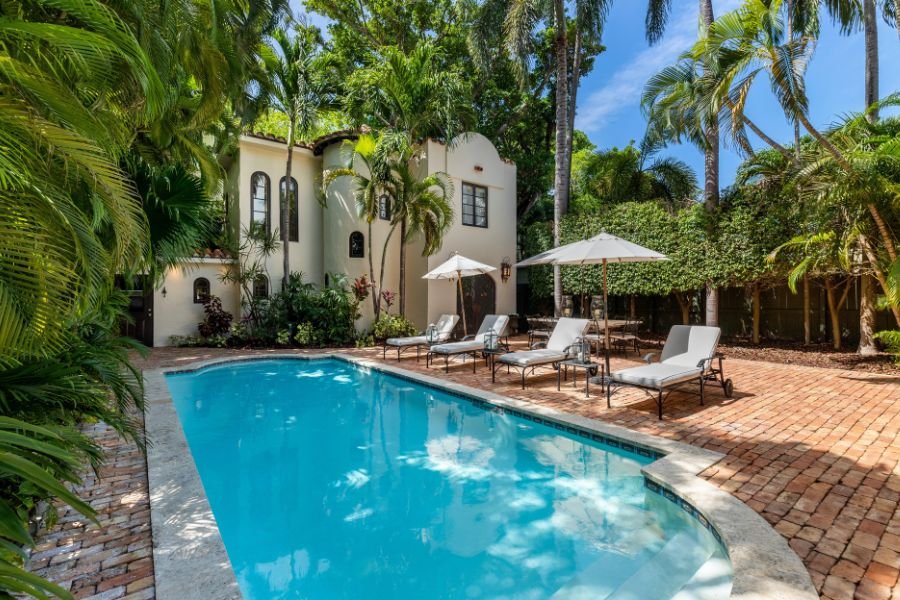
Brick coping adds a classic, timeless feel to a pool area. Bricks come in many colors and patterns, giving a warm and traditional look. They are strong, durable, and easy to maintain.
However, brick can be rough or hot in direct sunlight, so it may need smooth finishing or sealing. Proper installation prevents water from seeping between bricks, which keeps the pool structure safe. Brick is also easy to replace if one section gets damaged.
Pavers
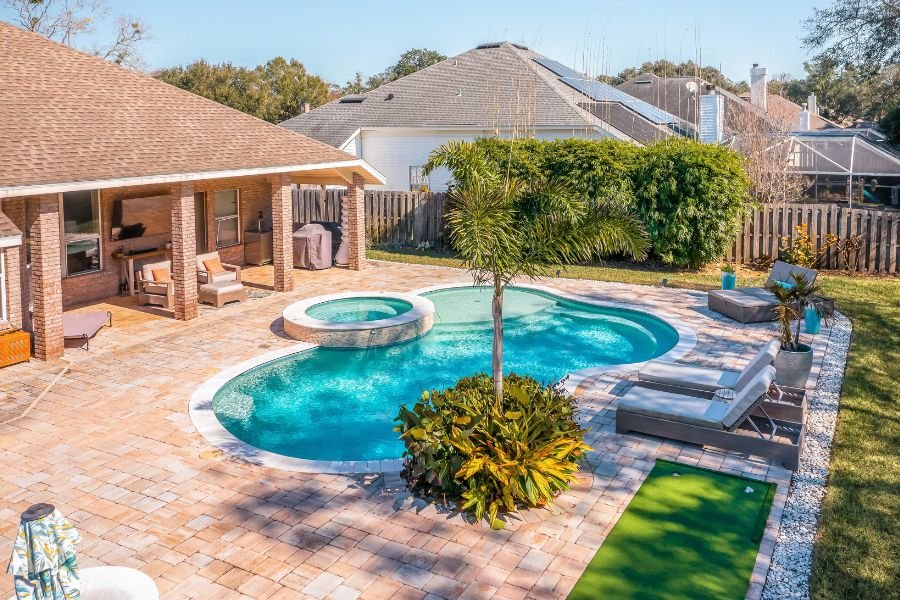
Pavers are individual stones, bricks, or tiles that fit together to create a pool edge. They come in many materials, such as concrete, stone, or clay. Pavers are popular because they allow water to drain through gaps, preventing puddles on the deck.
They are versatile, easy to repair, and offer many design possibilities. You can create patterns, mix colors, or match your patio. Pavers can be smooth or textured, giving extra grip for safety.
Tile
Tile coping is sleek and modern. Tiles can be ceramic, porcelain, or glass. They are water-resistant and easy to clean. Tiles come in many colors, patterns, and finishes, so you can create a custom look.
Tile is usually installed over concrete for support. While beautiful, it can be slippery if not textured or treated. Tiles can chip or crack over time, so proper installation and maintenance are essential.
Wood
Wood coping is less common but offers a natural, warm appearance. Treated wood or composite materials can withstand water and weather conditions. Wood feels soft underfoot and blends well with natural landscapes.
However, wood requires regular sealing and care to prevent rot, warping, or splintering. It is less durable than stone or concrete but can create a cozy, inviting look for backyard pools.
Durability of Pool Coping Materials
Durability is an important factor when choosing pool coping. Some materials last for decades, while others need more frequent maintenance.
- Concrete: Very durable and can last 20+ years with proper care. Sealing prevents cracks and stains.
- Natural Stone: Extremely durable, 20–30+ years, but may need occasional sealing or cleaning.
- Brick: Durable, can last 20+ years, especially if installed well and maintained.
- Pavers: Long-lasting, 15–25 years, depending on material. Easy to repair individually.
- Tile: Durable, 15–25 years, but tiles may chip or grout may need replacing.
- Wood: Less durable, 10–15 years, requires regular maintenance and sealing.
Choosing a material that matches your climate, sun exposure, and backyard use ensures it lasts longer.
Style Considerations for Your Pool Coping
Coping sets the tone for your pool design. The style you choose affects the overall look of your backyard.
- Modern: Smooth concrete, large pavers, or sleek tiles work well for a contemporary design.
- Classic: Brick or natural stone gives a timeless feel.
- Rustic/Natural: Wood or rough stone blends with gardens and landscaping.
- Luxury: Travertine, granite, or polished tiles create a high-end look.
Think about your pool shape, patio design, and landscaping when choosing a style. Cohesion between your coping, deck, and yard makes the entire backyard look well-planned and inviting.
Safety and Comfort
Pool coping also impacts safety. Rough edges, slippery surfaces, or hot materials can cause injuries. Textured surfaces prevent slipping, especially around kids or elderly swimmers. Light-colored stone or concrete stays cooler under the sun, while dark materials may get very hot.
Coping should be wide enough to sit on or walk comfortably. Smooth, rounded edges prevent cuts or scrapes. Safety and comfort are just as important as style and durability.
Maintenance Tips for Pool Coping
Different materials need different care. Here are simple tips to keep your pool coping in great shape:
- Clean concrete or pavers with a gentle brush and mild detergent.
- Seal natural stone every 1–2 years to prevent stains.
- Re-grout tile edges if grout starts cracking.
- Treat wood regularly with sealant to prevent rot or splinters.
- Check bricks and pavers for loose pieces and fix promptly.
Regular cleaning, inspections, and sealing prevent damage and extend the life of your pool coping.
How to Choose the Pool Coping
Choosing the right coping is important for both style and safety. Start by thinking about material durability. Some materials, like natural stone or high-quality concrete, last a long time. Others, like wood, may need repairs or replacement more often.
Next, look at style. The coping should match your pool, backyard, and overall design. It should feel like a natural part of your space.
Comfort and safety are also key. The edges should be smooth. Your feet should feel good walking barefoot. Textured or cool-to-the-touch materials can help prevent slips.
Maintenance matters too. Some materials need little care, like concrete or pavers. Others, like wood, need regular sealing or cleaning to stay in good condition.
Finally, check your budget. High-quality materials may cost more upfront. But they last longer and need less work over time. Cheaper options may save money now, but could require repairs sooner.
By considering durability, style, comfort, maintenance, and budget, you can pick the best coping for your pool. This ensures it looks great, is safe, and stays in good shape for years.
The Role of Professionals
Installing pool coping properly is critical. Poor installation can lead to leaks, uneven edges, or loose pieces. Professional installers ensure the material is level, secure, and durable.
Experts also help you pick the right material for your backyard, climate, and pool shape. While DIY projects are possible, professional installation often saves money and frustration in the long run.
Enhancing Your Backyard with Pool Coping
Coping isn’t just practical—it also enhances your pool’s look. Matching the coping with your deck, furniture, and landscaping creates a cohesive backyard design.
You can mix materials for a unique look. For example, stone coping with wood accents adds warmth and elegance. Using light-colored coping with darker decking creates contrast and highlights the pool edge.
The right coping can turn a simple pool into a backyard oasis that’s stylish, safe, and inviting.
Final Thoughts
Pool coping is an essential part of pool design. It protects your pool, keeps swimmers safe, and adds style to your backyard. From concrete and stone to tile and wood, each material has its own benefits, durability, and look.
Choosing the right coping means thinking about durability, style, comfort, safety, and maintenance. Regular care ensures your coping lasts for years while keeping your pool beautiful and safe.
At Aqua Elite Pools, we transform ordinary backyards into stunning custom escapes. With our personalized pool designs and expert construction services, we bring your dream outdoor space to life. Ready to create the backyard you’ve always wanted? Contact us at welcome@aquaelitepool.com or call (689) 280-0434. We’re here to help you enjoy a beautiful and relaxing pool area every day.