
There’s a moment that happens at every great party.
Not the beginning, when everyone’s still polite and slightly formal. Not the end, when people are gathering their things and promising to do this again soon.
It’s that moment somewhere in the middle—usually around dusk, when the pool lights start to glow and someone’s just pulled something incredible off the grill—when the conversation shifts. When laughter comes easier. When kids cannonball into the water while adults lean against the counter with drinks in hand, and suddenly your backyard has become the place where everyone wants to be.
That moment doesn’t happen by accident.
The best outdoor entertaining spaces in Orlando—the ones in Lake Nona and Windermere where neighbors casually mention “that amazing setup”—understand something fundamental: an outdoor kitchen and pool aren’t separate features. They’re two halves of a conversation, designed to work together, creating a rhythm that makes hospitality feel effortless.
The Geography of Gathering
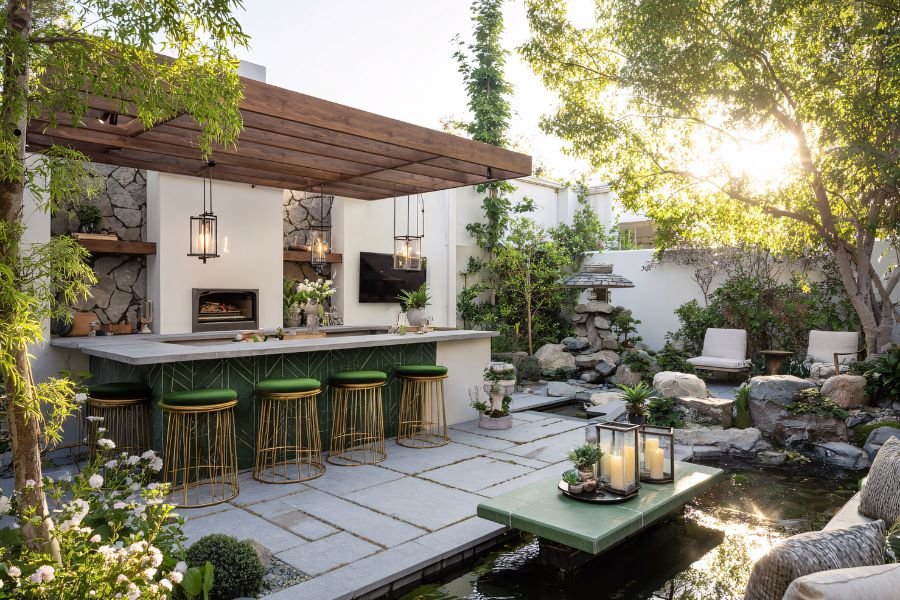
Stand in your backyard for a moment and imagine the flow.
Someone’s grilling steaks. Another person’s in the pool with the kids. A third is mixing drinks. Where does everyone naturally gravitate? How do they move between water and food, between conversation and activity?
The best outdoor kitchen and pool combinations understand human choreography—the invisible patterns of how people actually use space when they’re relaxed and happy.
Consider the common problem: when the grill sits on one side of the yard and the pool occupies the other, the host spends the entire party walking back and forth, missing conversations, arriving with food that has already cooled. They feel like a caterer at their own gathering rather than a participant.
The solution involves thoughtful proximity—placing the kitchen close enough to the pool edge to maintain connection, yet far enough to keep cooking smoke away from swimmers. This arrangement transforms the grill master from isolated cook to active party participant. Conversations flow naturally. The space works with you, not against you.
The Kitchen That Knows Florida
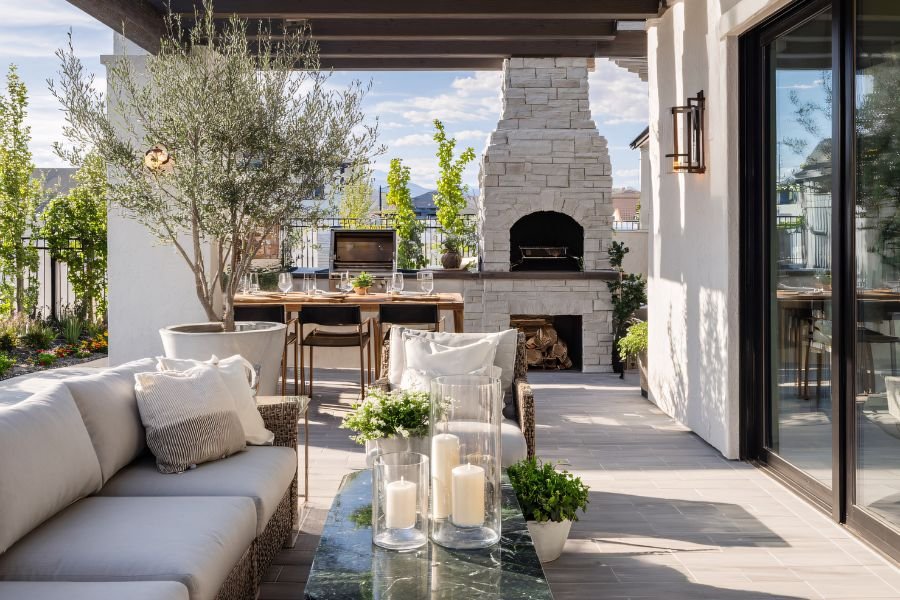
Central Florida weather writes its own rules for outdoor cooking.
Summer afternoons in Dr. Phillips can feel like standing inside someone’s breath—thick, wet, unrelenting. Winter evenings in Winter Park turn surprisingly cool, especially when the sun drops. Your outdoor kitchen needs to account for both extremes.
Recent market studies indicate growing demand for weather-resilient outdoor living features in Florida’s luxury home market. Smart homeowners are investing in structures that adapt to our bipolar climate.
A covered outdoor kitchen solves multiple problems simultaneously. It keeps your cooking area usable during the inevitable 3 PM thunderstorm. It provides shade during brutal July afternoons when the sun turns every surface into a griddle. It creates a defined space that feels intentional, not improvised.
But coverage doesn’t mean enclosure. The best designs use pergolas with retractable canopies, or roof structures that provide shelter without blocking sightlines to the pool. You want protection without isolation—a space that feels connected to the water even when you’re standing at the grill.
Imagine what architects call a “kitchen pavilion”—a covered cooking area with three open sides facing the pool. During parties, it functions as both workspace and gathering point. The structure itself becomes a beacon, drawing people naturally into its orbit while keeping the cook connected to everything happening in the water.
The Working Triangle Goes Outdoors
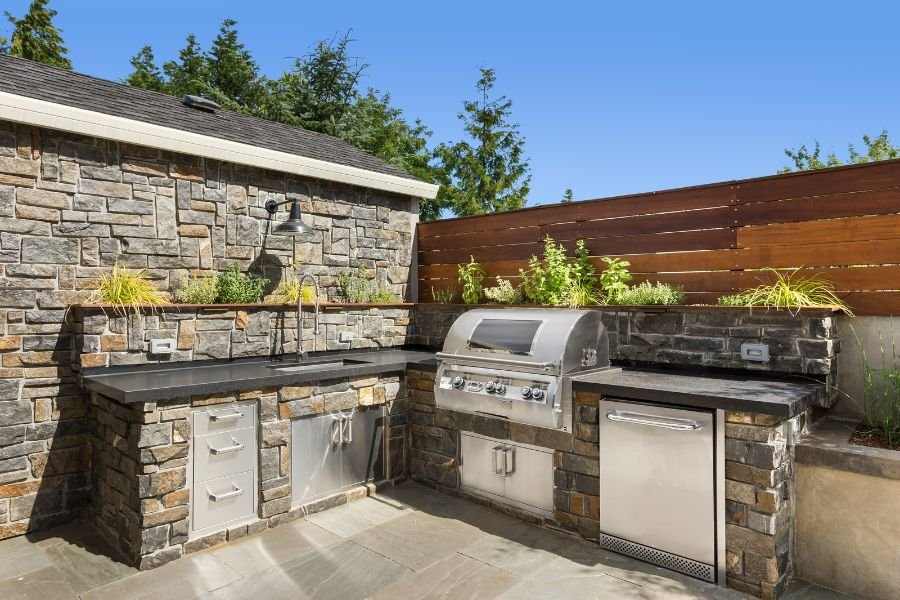
Professional chefs talk about the kitchen work triangle—the relationship between refrigerator, sink, and stove that determines how efficiently you can cook. That same logic applies outdoors, with one additional element: the pool.
Think about the sequence of a typical gathering. Food comes off the grill. It needs a surface for plating. People need drinks. Someone wants to rinse pool water off their hands before eating. Kids are calling for towels.
The most functional outdoor kitchens create a natural progression: grill to prep counter to serving area to beverage station, all within a few steps. No one’s walking fifty feet to grab a spatula. No one’s tracking water across the entire patio to reach the drinks.
An L-shaped outdoor kitchen layout exemplifies this principle beautifully—the grill anchoring one end and a full bar area at the other, with prep space, a sink with both hot and cold water, and storage between them. The entire setup faces the pool at a slight angle, allowing the cook to watch children in the water while monitoring food on the grill.
The bar area could include a mini-fridge organized logically—children’s beverages at the bottom within easy reach, adult options at eye level. Pool towels stored in a weather-resistant cabinet just steps from the water. Everything has a place. Nothing requires a journey.
Appliances That Actually Make Sense
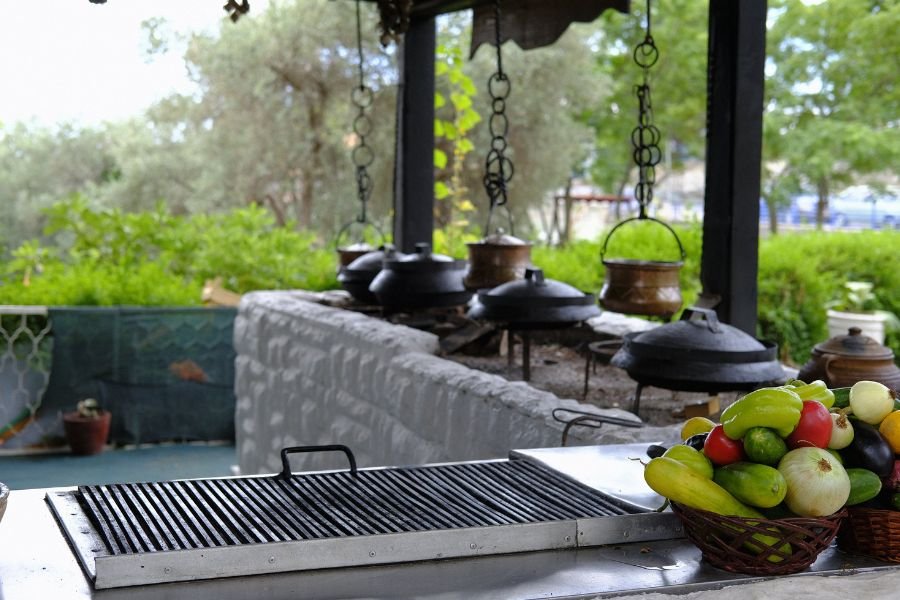
Here’s where many outdoor kitchen projects go sideways: trying to recreate your indoor kitchen outside, complete with features you’ll use twice a year.
Do you really need a pizza oven? A smoker? A warming drawer? A side burner you’ll mostly use to heat water for corn on the cob?
Maybe. But probably not all of them.
The most useful outdoor kitchens start with the essentials and add complexity only when the lifestyle demands it. A quality grill—gas for convenience, though committed cooks often include a charcoal option for flavor. Counter space for prep and serving, at least six linear feet if possible. A small refrigerator to eliminate trips to the indoor kitchen. A sink with running water, which proves more valuable than almost any other feature.
Everything beyond that depends on how you actually entertain.
If you’re the type who hosts big Sunday brunches, a flat-top griddle for pancakes and eggs makes perfect sense. If you’re more likely to throw impromptu pool parties on summer evenings, invest in quality lighting and sound instead of elaborate cooking equipment. If you genuinely love smoking brisket and have the patience for twelve-hour cooks, then yes, add that smoker.
But that six-burner grill with the rotisserie attachment that sounds impressive in the showroom? Ask yourself honestly: when’s the last time you used a rotisserie indoors?
A practical exercise: make a list of every meal you’ve cooked outdoors in the past year. Burgers, obviously. Grilled chicken. Fish tacos. Vegetables. The occasional steak. If nothing on that list requires specialized equipment beyond a good grill and proper prep space, consider investing the money you might spend on fancy appliances into beautiful countertops, comfortable seating, and professional-grade pool lighting that makes evening gatherings magical.
You may never wish for that pizza oven, but you’ll use those thoughtful basics every single time you entertain.
The Question of Open Versus Covered
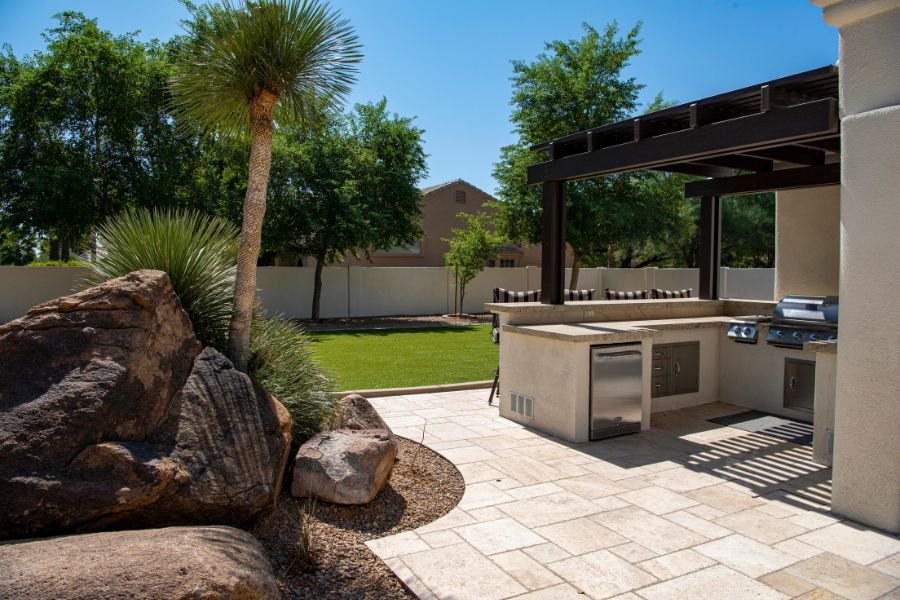
Some outdoor kitchens wear roofs. Others face the sky without apology.
The decision matters more in Florida than almost anywhere else. Our weather provides strong arguments for both approaches. Open kitchens keep cooking smoke from collecting under a roof. They provide unlimited views of your pool and backyard. They work naturally with the free-flowing layout of Florida outdoor living. When it’s pleasant outside—and for about eight months of the year, it genuinely is—an open kitchen feels exactly right.
But summer rain will ruin your party. July sun will make cooking feel like punishment. Those surprisingly cool December evenings in Celebration will send everyone indoors earlier than you’d like.
Covered kitchens protect your investment and extend your season. They keep grills and appliances from weathering as quickly. They provide shade when you need it. They define space in a way that makes large backyards feel more intentional.
The compromise? Partial coverage. A roof over the cooking and prep areas, with open sides that maintain connection to the pool. Or a pergola that provides dappled shade without complete enclosure. Or a retractable awning that gives you options depending on conditions.
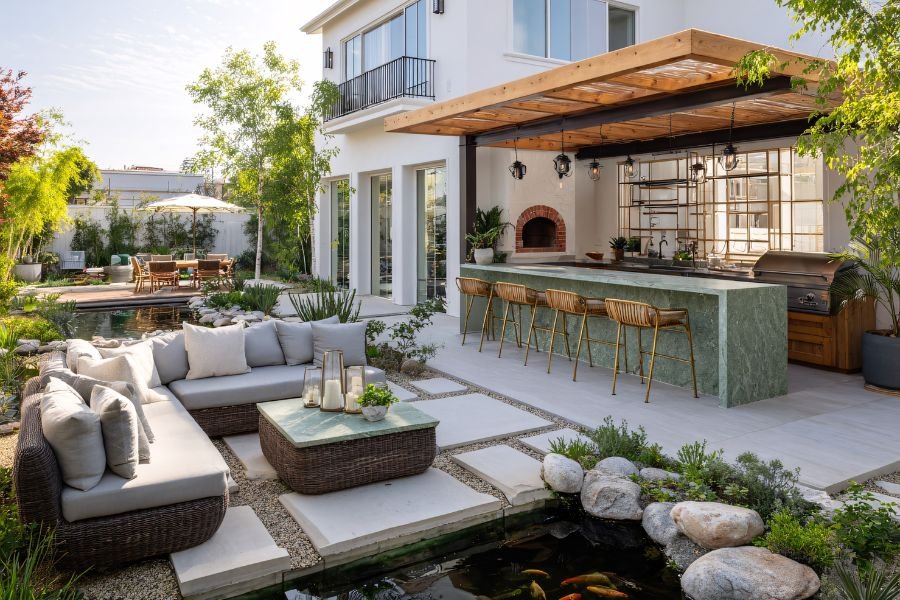
Picture what designers call a “kitchen island” with a floating roof—a modern structure that hovers over the grill and counters without posts, creating shade while maintaining sightlines in every direction. From the pool, you can see through to the backyard. From the kitchen, you have an unobstructed view of anyone swimming.
This approach accomplishes something psychologically important: it makes the kitchen feel special without making it feel separate. It’s still part of the backyard, just with better weather protection.
Lighting That Creates Moments
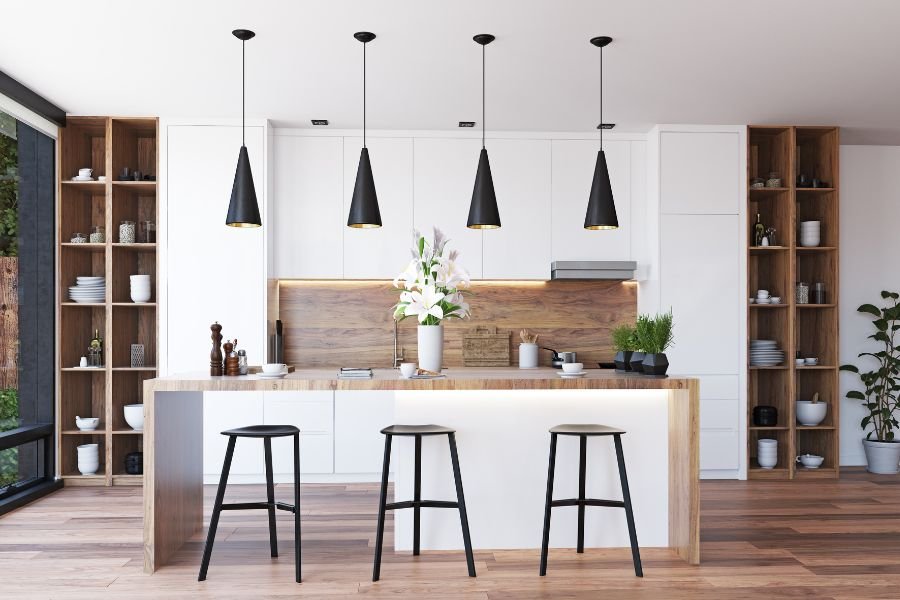
The sun sets around 8 PM during Florida summers. That’s exactly when most outdoor gatherings hit their stride—when the day’s heat finally breaks, when kids have been in the pool long enough to be happy-tired, when adults are relaxed enough to stay awhile.
The lighting you choose determines whether that golden hour extends into a memorable evening or whether everyone drifts indoors because they can’t see what they’re eating.
Outdoor kitchen lighting serves three distinct purposes: task lighting for actual cooking, ambient lighting that creates atmosphere, and accent lighting that highlights features worth noticing.
Task lighting belongs directly over your grill and prep surfaces—bright enough to see whether chicken is done without having to bring it inside under a lamp. LED strips under upper cabinets or shelves work beautifully for this, providing direct illumination without glare.
Ambient lighting sets the mood. This is where you get creative: pendant lights over a bar area, string lights defining the space above, lanterns on counters, candles in protected hurricanes. The goal is warm, flattering light that makes faces look good and conversations flow easily.
Accent lighting is pure theater—uplighting on architectural features, spots highlighting beautiful trees or landscaping, underwater pool lights that turn the water into a glowing feature. This is lighting designed to be noticed, to create moments people photograph and remember.
Dimmable LED strips installed under outdoor kitchen counters can create a soft glow that reflects off the pool’s surface after dark. The effect is subtle but striking—a ribbon of light that ties kitchen to water, making the entire space feel connected and intentional.
Add focused task lighting over the grill and perhaps one pendant over a bar area, but resist the temptation for more. No harsh overheads. No spotlight effect that makes the backyard feel like a parking lot. Just enough light to cook safely and gather comfortably, with shadows that feel like privacy rather than darkness.
Seating That Shapes Conversation
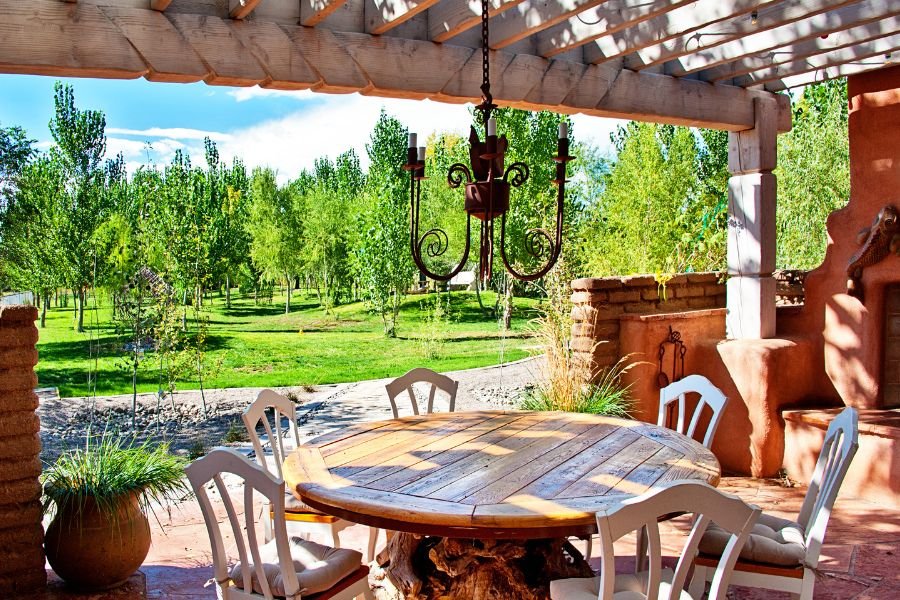
An outdoor kitchen without proper seating is just an expensive way to cook outside.
The seating you provide—and where you place it—determines whether your outdoor space generates the easy conversation that makes gatherings memorable or whether people eat quickly and migrate elsewhere.
Bar seating along the kitchen counter keeps guests engaged with the cook. They can watch food come together, hand over a drink, steal a piece of grilled pineapple before it hits the plate. This is where real conversation happens—casual, ongoing, the kind that develops naturally when people aren’t formally seated for a meal.
But you also need gathering space away from the kitchen—a table for actual dining, lounge seating for people who want to relax but aren’t ready to swim, space near the pool for wet kids to grab snacks without dripping all over everything.
The best layouts create multiple zones within one cohesive space. Kitchen-adjacent bar seating for active conversation. A dining table nearby for sit-down meals. Comfortable chairs or a sectional slightly removed from the activity, positioned so people can watch the action but aren’t in the middle of it. Poolside loungers for sunbathing and reading.
Each zone serves a different purpose, but they all connect visually and physically—no walls, no barriers, just thoughtful placement that lets people drift naturally between activities as the mood strikes them.
Think of creating what designers might call “conversation alcoves”—small seating areas distributed throughout the outdoor space, each with a slightly different character. Bar stools at the kitchen. A four-person dining table under a market umbrella. A deep sectional with throw pillows facing the pool. Poolside chaise lounges with side tables.
During parties, guests would naturally distribute themselves across these spaces, creating an organic flow where some people are cooking, others eating, others swimming, others just sitting and talking. No single area gets overcrowded. The party spreads out and settles in.
The Practical Matter of Utilities
Here’s the unglamorous truth about outdoor kitchens: they require infrastructure.
Water lines. Electrical service. Natural gas or propane, if you’re choosing those over electric. Drainage for your sink. All of it installed properly, up to code, designed to handle Florida weather and the inevitable abuse of outdoor exposure.
This is where projects exceed initial budgets if you’re not careful. Running utilities across your backyard requires trenching, permits, professional installation. A plumber. An electrician. Possibly a gas line specialist. All of them coordinated, all of them working around your pool installation timeline if you’re doing both simultaneously.
The costs add up quickly. But so do the consequences of cutting corners.
Industry experts emphasize the importance of working with licensed contractors familiar with outdoor utility installation and Florida building codes. A DIY approach to electrical or gas lines isn’t just dangerous—it’s often illegal, and it can void your homeowner’s insurance if something goes wrong.
One practical consideration: distance from your house. Every foot you place your outdoor kitchen away from your home’s main utilities increases installation complexity and cost. That dream kitchen at the far end of your property might be beautiful in concept, but it could require hundreds of feet of utility lines and corresponding expense.
Smart designers often position outdoor kitchens relatively close to the house—not directly adjacent, but within reasonable proximity to make utility runs manageable. This also makes carrying food, dishes, and supplies back and forth more practical during actual use.
Consider this scenario: an outdoor kitchen initially planned for the opposite end of a pool from the house would require 80 feet of utility line routing through landscaping, necessitating extensive trenching and restoration. A revised design that moves the kitchen closer while maintaining visual separation through strategic placement and landscaping could save thousands in installation costs while creating a more functional space.
The Florida-Specific Consideration
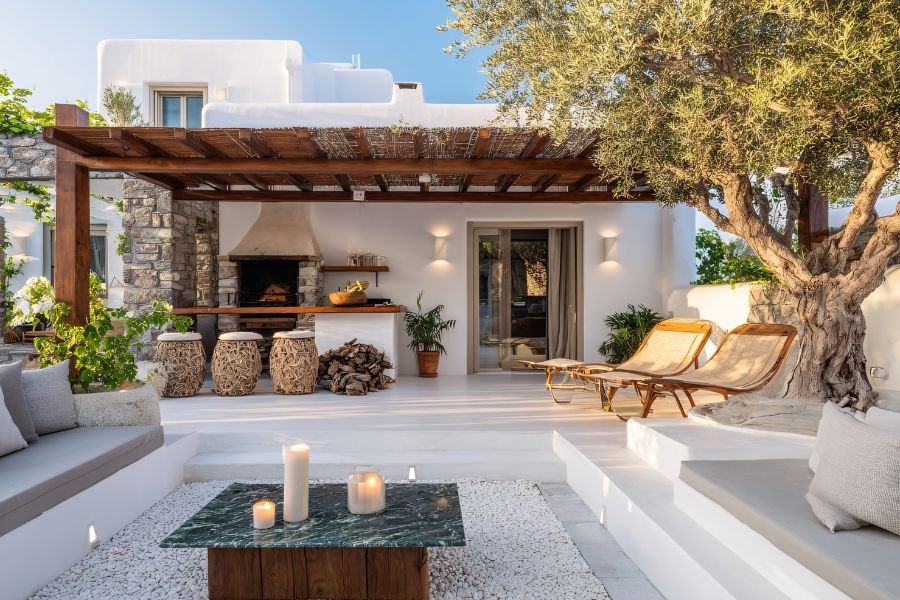
Our climate demands some unique accommodations that outdoor kitchens in other parts of the country don’t require.
Heat resistance matters. The Florida sun turns dark countertops into skillets. Stainless steel becomes untouchable. Stone or composite materials designed for high heat exposure perform better than surfaces that work fine in New England but become liability here.
Hurricane preparedness belongs in your planning. Outdoor furniture and lightweight accessories need secure storage. Built-in features should be rated for high winds. Your contractor should understand Florida Building Code requirements for structures that might face tropical storms—particularly important in Winter Garden and other Central Florida locations.
Proper drainage prevents problems before they start. Our intense rain events—two inches in thirty minutes is unremarkable during summer—require thoughtful water management. Outdoor kitchens need proper sloping away from structures, adequate drainage, and materials that won’t harbor standing water where mosquitoes breed.
Pest considerations are real. Fire ants. Palmetto bugs. The occasional snake. Sealed storage keeps unwanted visitors from taking up residence in your outdoor kitchen. Proper lighting deters mosquitoes. Regular maintenance prevents harborage areas.
None of this is insurmountable. It just requires planning specific to our environment.
The Investment Conversation
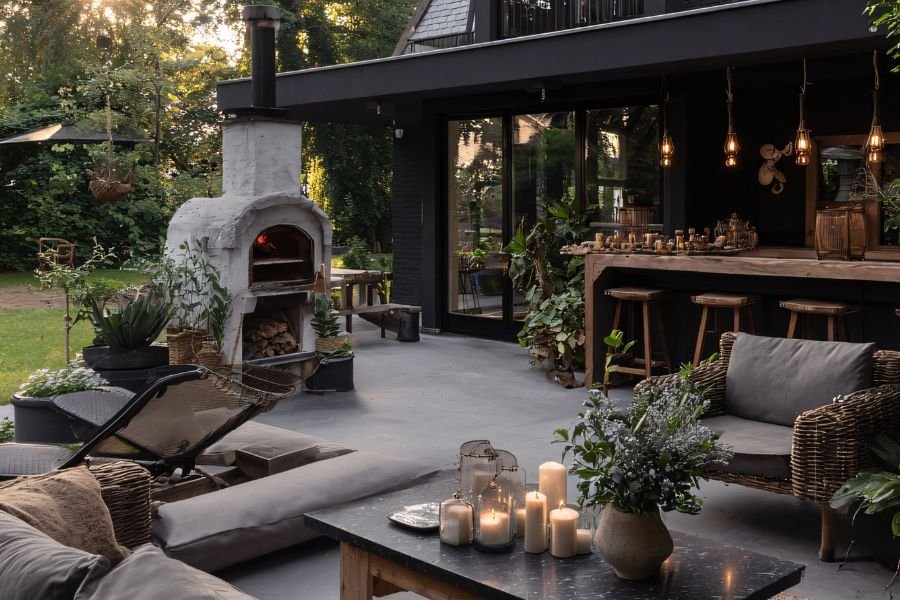
Outdoor kitchen and pool combinations represent serious financial commitment—often $50,000 to $150,000+ depending on size, materials, and complexity across markets like Windermere and Lake Nona.
That reality deserves honest acknowledgment.
But so does this: the return on investment extends far beyond resale value. These spaces change how families experience their homes. They create the environment where kids want to bring friends over instead of always going somewhere else. They enable hospitality that strengthens relationships. They transform routine meals into memorable gatherings.
The financial calculation includes things that don’t show up on appraisal reports: the value of not driving to restaurants multiple times a week, the cost savings of entertaining at home rather than renting venues, the life quality improvement of having a space that genuinely reflects how you want to live.
And yes, real estate professionals confirm that well-executed outdoor living spaces do increase property values—often returning 60-80% of installation costs in immediate home value appreciation, with the remainder recovered through enhanced marketability when it’s time to sell.
The best way to approach the investment? Start with your core needs and expand from there. A basic but functional outdoor kitchen with pool creates immediate value. You can always add features later—a pizza oven, upgraded lighting, expanded seating—as budget allows and lifestyle demands.
A phased approach allows you to spread the investment over time while ensuring every addition responds to actual use patterns rather than theoretical preferences. You might begin with the essentials: grill, small fridge, prep counter, sink. After a year or two of regular use, you understand exactly what your space needs next—perhaps a bar area, upgraded countertops, expanded coverage, or ceiling fans. Each phase increases enjoyment without the pressure of making every decision perfectly at the outset.
The Definition of Done
Your outdoor kitchen and pool combination is finished when it makes hospitality feel effortless.
When you can throw an impromptu gathering without stress because everything’s in place. When cooking for fifteen people feels natural because the workspace supports it. When guests linger because the space invites lingering.
That’s the real measure of success—not the materials you specified or the appliances you installed, but whether the space delivers on the promise of easy, memorable entertaining in your own backyard.
The best outdoor spaces across Orlando’s premium neighborhoods—from Winter Park to Dr. Phillips to Lake Nona—share a common quality: they feel complete without feeling complicated. Everything necessary is present. Nothing excessive clutters the design. The result works so naturally that guests never think about the planning and investment that made it possible.
They just notice that they’re having a great time. That the food’s delicious. That the evening’s perfect. That they should really do this more often. And that’s when you know you got it right.
Creating Spaces That Work for Orlando Living
Aqua Elite Pools™ works with Orlando families designing outdoor kitchen and pool combinations that transform how they entertain and enjoy their homes. Across Winter Garden, Windermere, Dr. Phillips, Lake Nona, Celebration, and Winter Park, we’ve learned that successful outdoor living spaces begin with understanding how families actually use their backyards—not just what looks impressive in magazines.
The most satisfying projects aren’t necessarily the most elaborate. They’re the ones where thoughtful layout, quality materials, and strategic feature selection come together to create spaces that make hospitality feel natural. Where the flow between kitchen and pool works so intuitively that entertaining becomes effortless. Where investments deliver both immediate enjoyment and long-term property value.
Every neighborhood presents unique considerations—from lot configurations in Lake Nona’s master-planned communities to the established landscapes of Winter Park’s tree-lined properties. Understanding these local factors helps ensure your outdoor kitchen and pool combination enhances your specific home and lifestyle, not just follows a generic template.
If you’re considering an outdoor kitchen and pool project, the conversation starts with how you actually live and entertain—then builds from there toward a design that supports those patterns while respecting both your vision and your investment.