
Your backyard is more than just an outdoor space—it’s an extension of your home, a place to relax, entertain, and create lasting memories. Adding a swimming pool can transform your property into a private oasis, but before diving in, one key decision awaits: choosing the right style for your pool. Should you go modern, with sleek lines and contemporary touches, or stick with a traditional design that emphasizes timeless charm? Each style has its own personality, benefits, and considerations, and the choice you make will define the look and feel of your outdoor living space for years to come.
In this blog, we’ll explore the characteristics, advantages, and potential drawbacks of modern and traditional pool designs. We’ll also guide you through factors to consider so you can determine which style fits your home best.
Understanding Modern Pool Designs
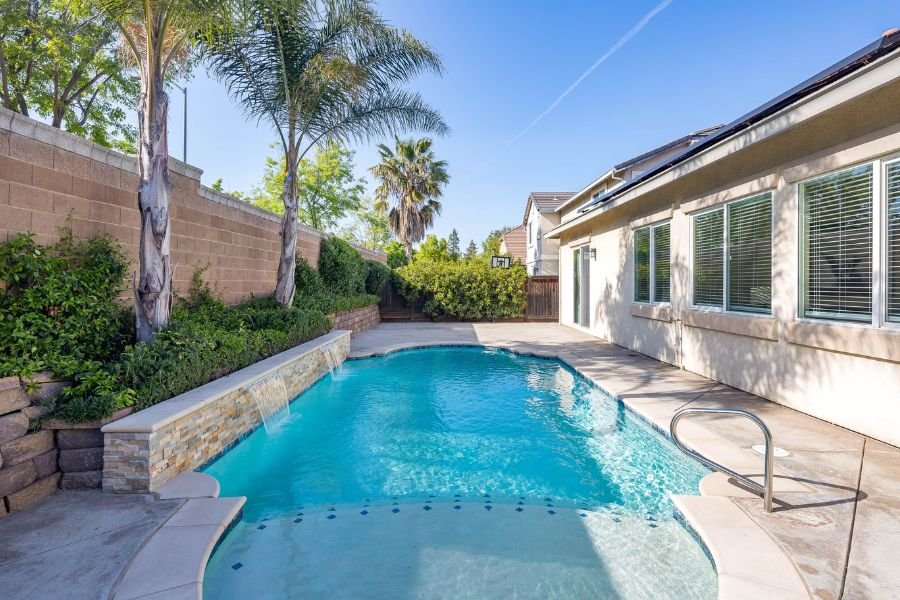
Modern pool designs have gained popularity in recent years due to their minimalist elegance and striking visual appeal. These pools are defined by clean lines, geometric shapes, and sophisticated materials, often incorporating the latest technology for comfort and efficiency.
Key Features of Modern Pools
- Geometric Shapes: Modern pools often favor squares, rectangles, and linear forms. The precise lines create a sense of order and symmetry, making the pool a standout architectural feature of your backyard. Infinity edges and negative-edge designs are also common, giving the illusion that the water extends into the horizon.
- Sleek Materials: Materials such as glass tiles, polished concrete, and natural stone are frequently used in modern pools. These elements contribute to a luxurious, contemporary feel. The focus is on high-quality finishes that complement the clean aesthetic.
- Integrated Technology: Modern pools often include advanced features like automated lighting, smart filtration systems, heaters, and retractable covers. Many homeowners also opt for built-in sound systems or LED lighting that can change colors to set the perfect mood.
- Minimalist Landscaping: Surrounding landscaping in modern pool designs tends to be minimalist. Think structured hedges, clean pathways, and strategically placed planters. The focus is on highlighting the pool itself rather than overloading the area with decorative elements.
- Indoor-Outdoor Flow: Modern designs often emphasize the connection between indoor and outdoor spaces. Large sliding doors, decks, and terraces create seamless transitions, making your pool feel like a natural extension of your home.
Advantages of a Modern Pool
- Sleek and Timeless Aesthetic: Modern pools offer a sophisticated look that complements contemporary architecture.
- Easy Maintenance: Straight edges and smooth surfaces are easier to clean and maintain compared to ornate traditional designs.
- Customizable Features: Technology integration allows for more control over water temperature, lighting, and other pool elements.
- Increased Home Value: A modern pool can elevate the overall property value by adding a striking design feature that appeals to buyers seeking contemporary luxury.
Considerations for Modern Pools
While modern pools are visually impressive, they do require careful planning:
- Space Requirements: Geometric pools work best in structured layouts, so irregular or small yards may not accommodate these designs effectively.
- Cost: High-end materials and technology can make modern pools more expensive upfront.
- Style Limitations: A modern pool may not harmonize well with homes that have a classic, rustic, or traditional architectural style.
Understanding Traditional Pool Designs
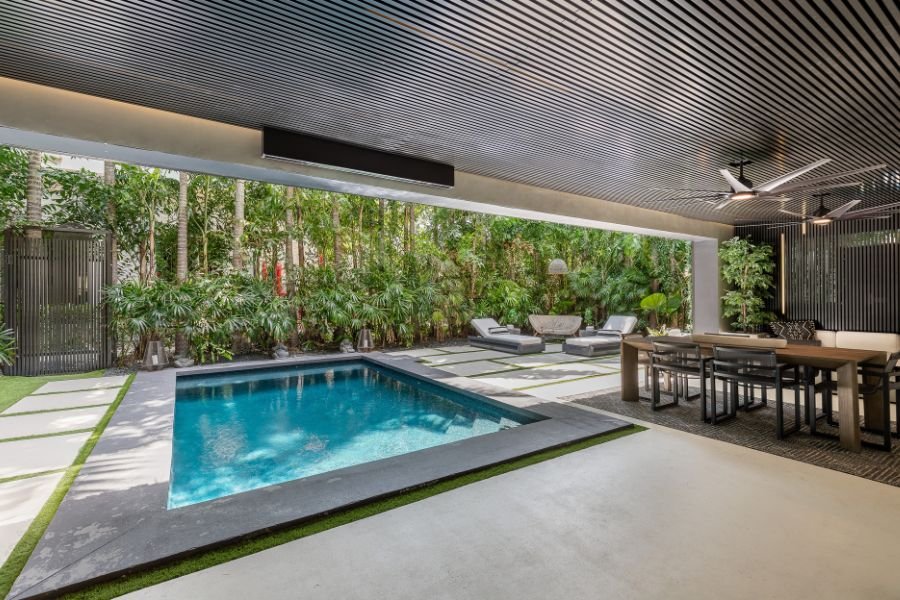
Traditional pools have been a staple of backyard landscaping for decades. They often feature soft lines, natural shapes, and timeless appeal that can suit nearly any property. Traditional pools prioritize comfort, fun, and versatility over contemporary aesthetics.
Key Features of Traditional Pools
- Curved and Freeform Shapes: Unlike modern pools, traditional designs embrace curves and irregular shapes. Kidney-shaped pools, lagoon-style pools, and naturalistic designs are common. These shapes give a more relaxed and inviting vibe, perfect for family-oriented spaces.
- Classic Materials: Traditional pools often use natural stone, brick, or classic tile work. These materials contribute to a warm, welcoming atmosphere, emphasizing comfort over sleek modernity.
- Natural Landscaping: Landscaping around traditional pools tends to be lush and abundant. Flower beds, shrubs, and even small trees can be integrated to create a backyard paradise. Waterfalls, fountains, and rock features are popular additions, enhancing the serene ambiance.
- Functional Additions: Traditional pools often include shallow lounging areas, steps for easy entry, and features like slides or diving boards for family fun. The focus is on usability and enjoyment.
- Classic Pool Features: Features such as perimeter coping, decorative tiles, and built-in benches are commonly incorporated, adding charm and character that blends seamlessly with older or classic home styles.
Advantages of a Traditional Pool
- Timeless Appeal: Traditional pools never go out of style and can complement almost any home architecture.
- Family-Friendly: The shapes, features, and layouts are ideal for kids and family gatherings.
- Natural Integration: They blend well with natural landscaping and can create a backyard oasis that feels like a retreat.
- Flexible Design Options: Traditional pools can incorporate a variety of features like waterfalls, spas, and rock formations.
Considerations for Traditional Pools
- Maintenance: Curved edges, steps, and naturalistic features may require more maintenance compared to sleek modern designs.
- Space Management: Freeform designs may take up more area and require creative landscaping planning.
- Upfront Cost: While materials can vary, incorporating natural elements and decorative features can add to the overall budget.
Comparing Modern and Traditional Pools
Now that we’ve explored the key elements of each style, let’s compare them across several important factors to help you make a more informed choice.
1. Aesthetic Appeal
- Modern Pools: Sleek, clean, and minimalist. They make a bold design statement and complement contemporary homes.
- Traditional Pools: Warm, inviting, and classic. They create a relaxed atmosphere and suit homes with timeless architecture.
2. Functionality
- Modern Pools: Focused on elegance and technology; may include lap pools or infinity edges, ideal for aesthetics and exercise.
- Traditional Pools: Prioritize comfort and recreation, with features like shallow lounging areas, built-in steps, and playful additions for kids.
3. Maintenance and Upkeep
- Modern Pools: Easier to maintain due to straight edges and smooth surfaces; technology can assist in automation.
- Traditional Pools: May require more regular cleaning, particularly around curves, steps, and naturalistic landscaping features.
4. Customization Options
- Modern Pools: Highly customizable in terms of lighting, technology, and design; however, the look must remain sleek to maintain the style.
- Traditional Pools: Flexible in terms of shape, landscaping, and decorative features, allowing for a personalized backyard retreat.
5. Cost Considerations
- Modern Pools: High-quality materials and integrated technology often increase costs.
- Traditional Pools: Depending on the materials and features, costs can vary widely, but they can often be built more economically than high-tech modern pools.
Factors to Consider When Choosing Your Pool Style
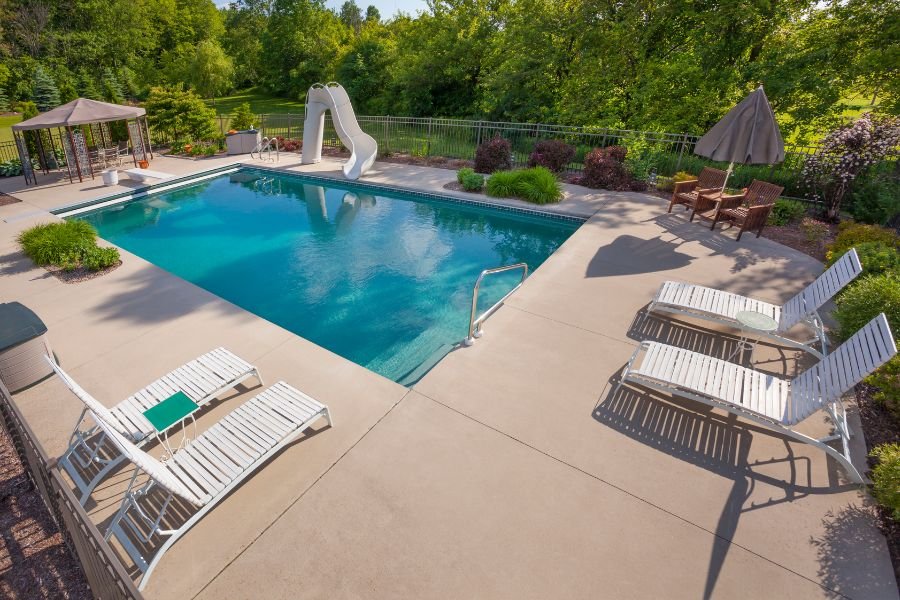
When deciding between a modern or traditional pool, it’s important to consider the following aspects:
1. Home Architecture
Your pool should harmonize with your home’s style. A modern pool may look out of place next to a Victorian or colonial-style house, while a traditional pool might feel mismatched with a sleek, minimalist property.
2. Yard Size and Shape
- Small, structured yards: Modern pools with clean lines and straight edges can maximize space.
- Large, irregular yards: Traditional freeform pools can fit more naturally into the landscape, making the backyard feel like a cohesive outdoor retreat.
3. Lifestyle Needs
Consider how you plan to use the pool:
- Exercise and aesthetics: Modern pools often excel as lap pools and statement pieces.
- Family fun and relaxation: Traditional pools provide playful features, lounging areas, and space for social gatherings.
4. Budget
Your budget will influence your options:
- Modern pools: Sleek finishes and integrated technology increase upfront costs, but long-term maintenance may be simpler.
- Traditional pools: Flexible design options allow for cost adjustments, though elaborate landscaping and features can add to expenses.
5. Maintenance Commitment
Think about the time and effort required to maintain the pool. Modern pools can be easier to clean and maintain with automation, while traditional pools may require more hands-on care due to complex shapes and features.
6. Resale Value
Both styles can enhance property value if done well:
- Modern pools: Add a luxurious, high-end appeal that can attract buyers seeking contemporary elegance.
- Traditional pools: Timeless designs are broadly appealing and can suit various buyer preferences.
Making the Final Decision
The choice between a modern and traditional pool ultimately depends on your personal taste, lifestyle, and property characteristics. Here’s a simple guide to help narrow it down:
- Choose a modern pool if you love clean lines, contemporary architecture, technology integration, and a sleek, luxurious backyard look.
- Choose a traditional pool if you prefer curves, classic materials, family-friendly features, and a backyard that feels warm and inviting.
It’s also worth consulting with a professional pool designer. Experts can assess your space, budget, and lifestyle preferences to create a design that not only looks beautiful but also functions perfectly for your family.
Combining Elements: A Hybrid Approach
If you find yourself torn between styles, consider a hybrid pool design. Many homeowners today blend modern and traditional elements to create a unique backyard experience. For example, you could pair a sleek, geometric pool with natural stone accents and lush landscaping. This approach allows you to enjoy the elegance of modern design while retaining the warmth and charm of traditional elements.
Conclusion
Selecting the right pool design is about more than aesthetics—it’s about creating a space that complements your home, fits your lifestyle, and enhances your outdoor living experience. Modern pools offer sophistication, sleek lines, and technological integration, while traditional pools bring timeless charm, comfort, and family-friendly features. By considering your home architecture, yard layout, lifestyle needs, and budget, you can make a choice that transforms your backyard into the oasis you’ve always dreamed of.
No matter which style you choose, a professionally designed and installed pool will provide years of enjoyment, relaxation, and value for your home.
Ready to bring your dream pool to life? Contact us at welcome@aquaelitepool.com to discuss your modern or traditional pool project today. Our team of experts will guide you every step of the way, from design to installation, ensuring your backyard becomes the ultimate retreat.