
If you live in Florida and you’re thinking about putting in a custom pool, the first question on your mind is probably the same one everyone asks. How much is this going to cost me? The honest answer is that there is no single number. A lot of things go into the final price. Some of them are obvious. Some are not.
And if you don’t know what to expect going in, surprises can come fast. This post breaks down the real factors that affect what you’ll pay when building a custom pool in Florida in 2026.
The Size and Shape of Your Pool
This one seems simple, but it matters more than people think. A bigger pool uses more materials. More materials cost more money. But the shape plays a role too. A basic rectangular pool is easier to build. The forms are simple, the cuts are predictable, and the labor is faster. When you go with a freeform shape or something with curves, bends, and custom edges, the work gets more complex. That adds to the cost.
Most standard pools in Florida range from around 12×24 feet on the smaller side to 16×32 feet or larger. Each additional square foot adds to the total. If you’re still figuring out what size makes sense for your yard, there is a lot to think through before committing to a number. A good starting point is understanding how to choose the right pool size for your property before you get too deep into budget planning.
Pool Type and Construction Material
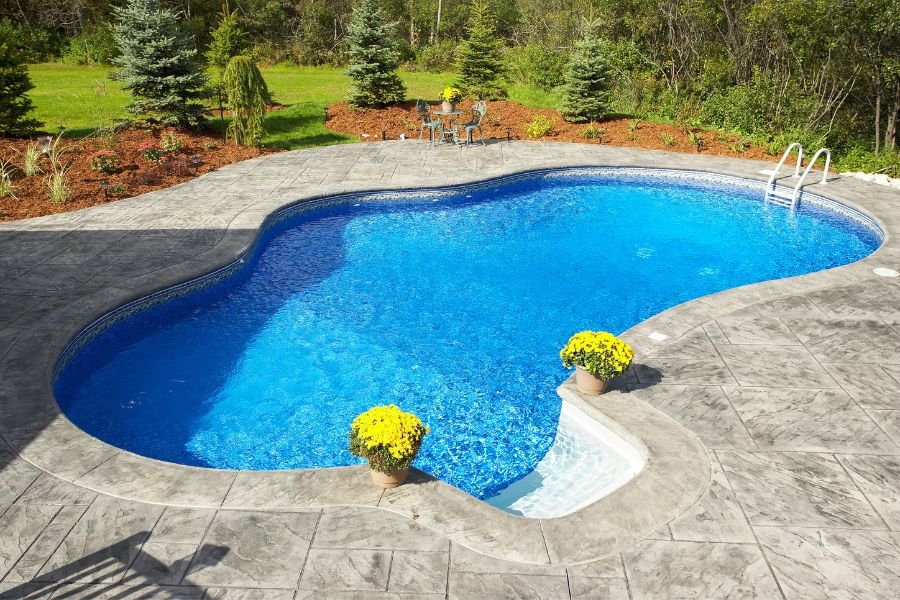
In Florida, the three main types are concrete, fiberglass, and vinyl liner pools. Here is a quick look at how they compare:
- Concrete (gunite or shotcrete): The most customizable option. Takes longer to build and costs more upfront, but it lasts a long time and can be shaped however you want. Most custom pools in Florida are built this way.
- Fiberglass: Comes as a pre-made shell that gets dropped into a dug hole. Faster to install and easier to maintain long term, but you’re limited to pre-made shapes and sizes.
- Vinyl liner: Usually the cheapest to install. The downside is the liner needs replacing every 8 to 12 years. In Florida’s heat and sun, that timeline can be shorter.
If you want a fully custom look and feel, concrete is what most people go with. And that comes with a matching price.
Site Conditions and Soil Type
Florida soil is not all the same. Some areas have solid, stable ground. Others have sandy soil, high water tables, or rock just below the surface. If your yard has soft or unstable soil, the builder may need to do extra work to prepare the ground before anything else happens. That means more equipment, more labor, and more cost.
A high water table is common in many parts of Florida, especially near coastal areas or low-lying land. When the water table is close to the surface, builders have to use special drainage or anchoring methods. This is actually one of the reasons pool drainage matters more in Florida than in most other states. Before any digging starts, a good contractor will do a site assessment, which helps catch these issues early before they become expensive surprises.
Permits and Local Codes
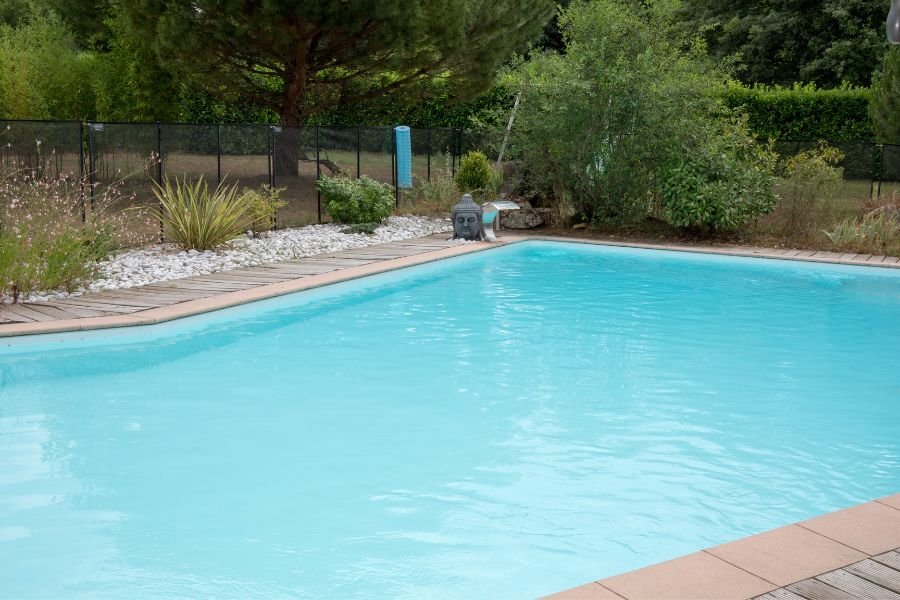
In Florida, you need permits to build a pool. That is just part of the process. But the cost of those permits and the complexity of meeting local codes varies depending on where you live. Counties like Miami-Dade, Broward, Hillsborough, and Orange all have their own rules. Some require specific safety features, barrier fencing, or drainage setups beyond the basic state requirements.
Permit fees themselves might seem small at first glance, but the process takes time. Inspections are required at different stages. If something doesn’t pass inspection, it has to be corrected before work can continue. This is also why the engineering behind custom pool construction plays such a big role in keeping things on track. A well-engineered plan makes the inspection process smoother and reduces the chance of costly revisions mid-build.
Features and Add-Ons
This is where costs can really climb if you’re not paying attention. Here are the most common add-ons and what they mean for your budget:
- Spa or hot tub: Adds extra plumbing, a separate heating system, and more concrete work. One of the bigger add-on costs.
- Water features: Waterfalls, deck jets and bubblers, and fountains all look great but add to both the build cost and long-term maintenance.
- Pool lighting: Basic white LED lighting is standard. Color-changing lights, underwater fixtures, and specialty options cost more.
- Sun shelf or tanning ledge: Very popular in Florida. Adds square footage and requires extra finishing work.
- Automation systems: Lets you control temperature, lighting, and jets from your phone. Convenient but not cheap.
- Heating systems: Gas heaters, heat pumps, and solar heating systems all vary in price. Useful if you want to swim through Florida’s cooler months.
Each feature seems small on its own. But if you stack five or six of them together, you can add tens of thousands of dollars to the original estimate. If you’re looking for inspiration before locking in your choices, browsing through pool design ideas can help you figure out what you actually want versus what just looks good in photos.
Decking and Landscaping Around the Pool
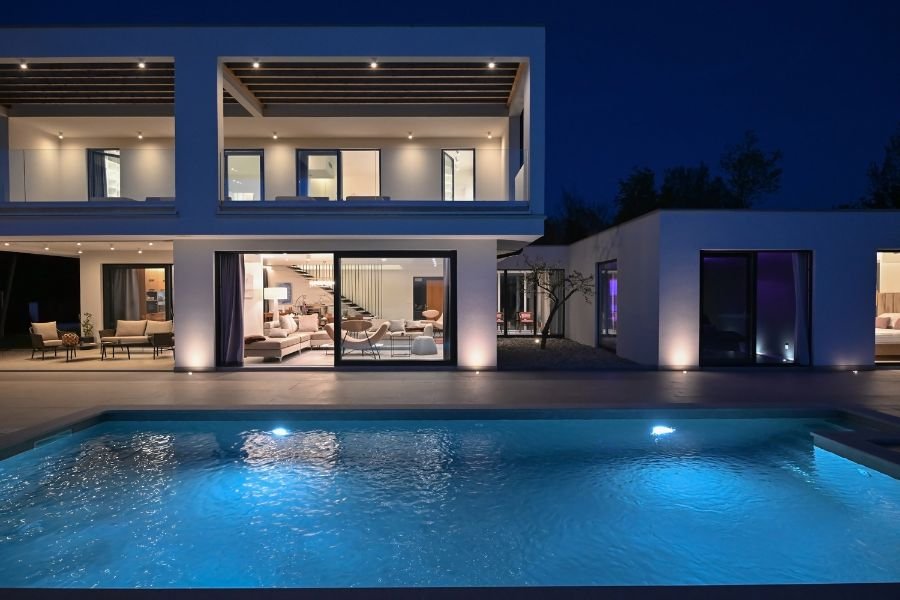
The pool itself is just one part of the project. What surrounds it matters too. Basic concrete decking is the most affordable option. Pavers, travertine, and natural stone cost more. Travertine in particular is popular in Florida because it stays cooler underfoot in the heat and it looks good around a custom pool. The material you choose also affects how much upkeep you’ll deal with year to year, which is worth factoring into the overall cost.
The size of the deck matters as much as the material. A larger deck area with seating zones, an outdoor kitchen space, or a covered lanai section adds up quickly. Landscaping around the pool is often overlooked in the initial budget too. Privacy hedges, palm trees, sod replacement after construction, and any retaining walls all have their own price tags.
Labor and Contractor Experience
Who you hire makes a big difference. Not just in cost, but in quality and how smooth the process goes. Experienced pool builders in Florida charge more than newer companies or those who cut corners. But the difference in workmanship usually shows up clearly over time. A properly built pool with good plumbing, solid steel reinforcement, and quality plaster will last decades with basic care.
Getting multiple quotes is a smart move, but comparing quotes is not just about which number is lowest. Make sure each quote covers the same scope of work. Sometimes a lower quote simply leaves out things the other contractors included. There are quite a few common pool remodeling mistakes Florida homeowners make that often trace back to choosing a contractor based on price alone, and it’s worth reading up on those before you sign anything.
Timing and Season
Florida is warm year-round, so there is no true off-season for pool construction the way there is in northern states. But there are still busier and slower periods. Spring and early summer tend to be the busiest time for pool builders, and during peak season wait times for scheduling can stretch out.
Scheduling your project in the fall or winter can sometimes mean faster start times and more attention from the crew. Some contractors may also have more flexibility during those slower months, which is worth keeping in mind when you are planning your timeline.
Long-Term Costs to Consider
Building the pool is the big cost, but it’s not the last one. Here are the ongoing costs Florida pool owners typically deal with:
- Electricity: Running the pump daily adds to your monthly electric bill.
- Chemicals: Keeping the water balanced requires a regular supply of chlorine, pH adjusters, and other chemicals.
- Cleaning and maintenance: Whether you do it yourself or hire someone, this is a recurring cost every single month. Following a solid year-round pool care routine makes a real difference in how much you spend over time.
- Resurfacing: Pools typically need to be resurfaced every 10 to 15 years. Pebble and quartz finishes last longer than basic plaster but cost more upfront. If you want a full breakdown of what that process involves, the pool resurfacing guide for Florida homeowners covers it well.
Homeowners who think through those future costs before the build often end up spending less in the long run.
What to Sort Out Before You Start
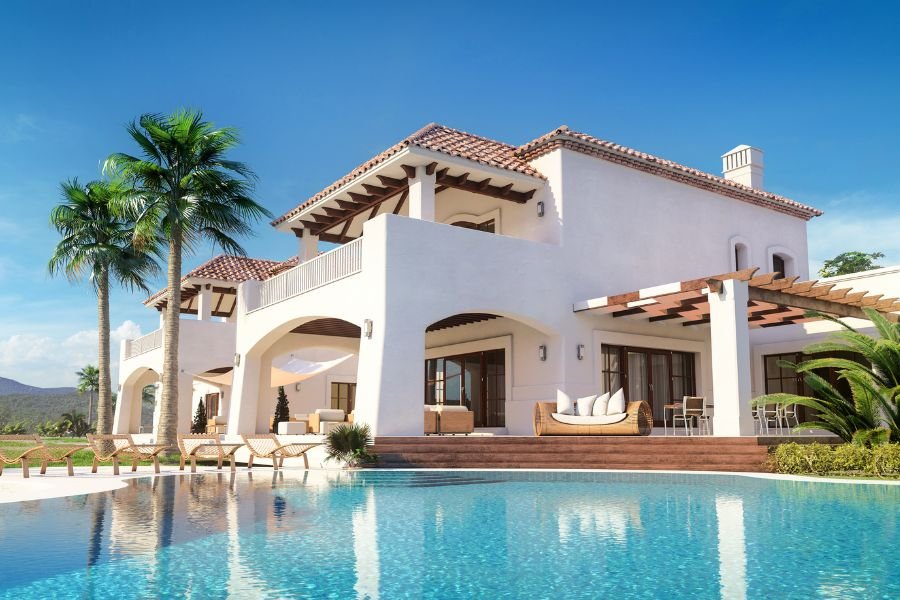
Custom pools in Florida in 2026 typically start somewhere around $50,000 for a basic gunite pool. From there, the price goes up based on every factor covered above. High-end custom builds with full features, quality decking, and automation can reach $150,000 or more. Before you commit, make sure you have sorted out these things:
- A full site assessment from your contractor
- A detailed quote with a clear scope of work
- A realistic picture of what each add-on costs before you decide on them
- An understanding of your local permit requirements and timeline
What the Final Number Depends On Is Really You
At the end of the day, the biggest factor in what your pool costs is what you choose. The site conditions and permits are mostly out of your hands. But the size, the shape, the materials, the features, and the contractor you pick are all decisions you control. Knowing what each choice adds to the budget helps you spend where it matters most to you and your family.
A simple, well-built pool with a clean design can be just as enjoyable as one loaded with every feature on the list. Florida pool season is basically year-round. Whatever you decide to build, you’ll be using it. If you’re at the point where you want a clearer picture of what your specific yard and goals would actually cost, the team at Aqua Elite Pools offers a free on-site assessment with no pressure or commitment involved. It’s a good way to get real numbers before making any decisions.