
Owning a swimming pool is one of life’s simple pleasures. Whether it’s splashing around with family, hosting poolside parties, or just relaxing on a sunny afternoon, a pool can be the centrepiece of your backyard. But, like any big investment, your pool needs care to stay in great shape. Over time, the surface of your pool can wear out due to weather, water chemicals, and daily use. That’s where pool resurfacing comes in.
In this guide, we’ll cover everything you need to know about pool resurfacing, including:
- What pool resurfacing is
- How much it usually costs
- Factors that affect the cost
- Materials and finishes you can choose from
- Signs your pool needs resurfacing
- Tips for saving money and working with professionals
By the end, you’ll have a clear idea of what to expect and how to plan for resurfacing your pool.
What Is Pool Resurfacing?
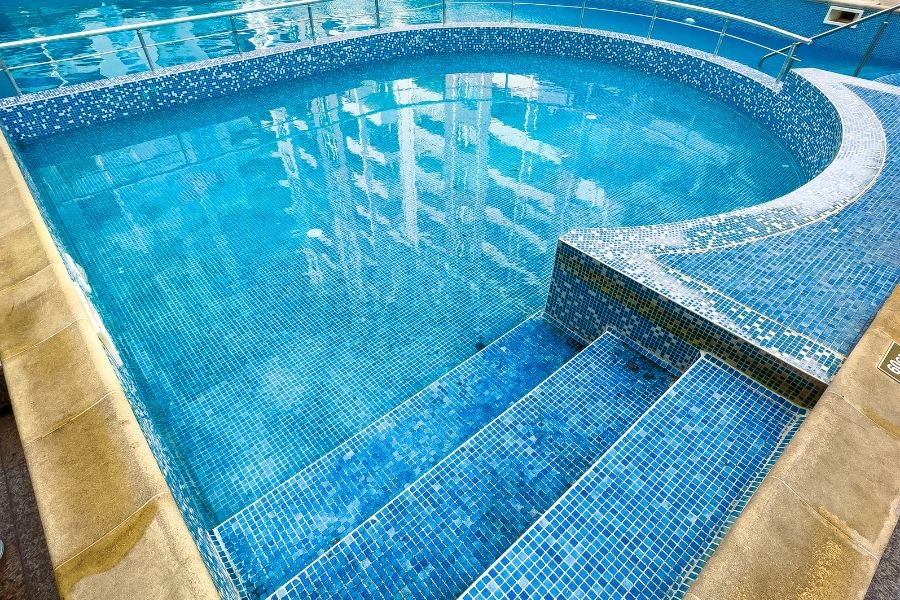
Simply put, pool resurfacing is giving the inside of your pool a fresh new finish. Over the years, your pool’s surface can crack, become rough, fade in color, or develop stains from chemicals and sunlight. Resurfacing fixes these problems, making your pool safe, smooth, and visually appealing again.
It’s not just about looks. Resurfacing also protects your pool’s structure, preventing leaks and helping you maintain proper water balance. Most pools need resurfacing every 10 to 15 years, but this can depend on your pool’s material, usage, and how well it has been maintained.
How Much Does Pool Resurfacing Cost?
One of the first questions homeowners ask is, “How much will resurfacing my pool cost?” The answer depends on several factors, but here’s a general breakdown for the United States:
| Type of Resurfacing | Typical Cost Range |
|---|---|
| Basic resurfacing (plaster) | $6,000–$10,000 |
| Mid-range finishes (quartz, pebble) | $10,000–$15,000 |
| Premium finishes (tile, custom designs) | $15,000–$30,000+ |
Factors That Affect Pool Resurfacing Costs
Several things can influence the price of resurfacing your pool:
1. Pool Size and Shape
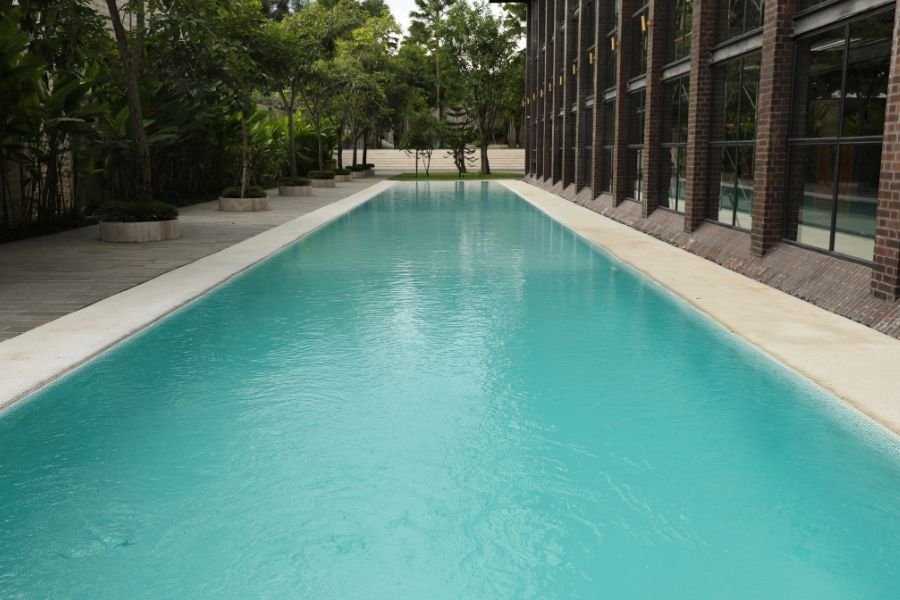
Larger pools use more materials and take longer to finish, which increases the cost. Custom shapes or irregular designs may also require extra labour.
2. Surface Material
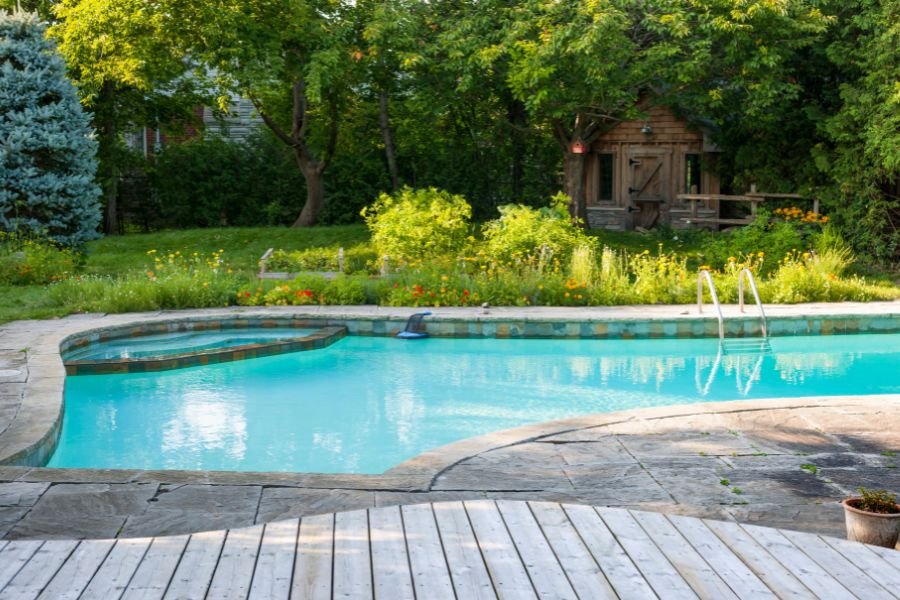
The material you choose for your pool surface is one of the biggest factors in cost. Here’s a closer look at the most common options:
Plaster
- Cost: $4–$7 per square foot
- Pros: Smooth, classic, and budget-friendly
- Cons: Shows stains more easily and lasts 7–12 years
Quartz Aggregate
- Cost: $7–$10 per square foot
- Pros: Durable, stain-resistant, available in many colors
- Cons: Higher cost than plaster
Pebble / PebbleTec
- Cost: $8–$15+ per square foot
- Pros: Long-lasting (15–20 years), stylish look
- Cons: Slightly rougher underfoot, more expensive upfront
Tile
- Cost: $12–$30+ per square foot
- Pros: Extremely durable, highly customizable
- Cons: Most expensive, labor-intensive to install
Paint / Epoxy
- Cost: $1–$5 per square foot
- Pros: Cheapest option, easy to apply
- Cons: Short lifespan, temporary solution
3. Pool Condition
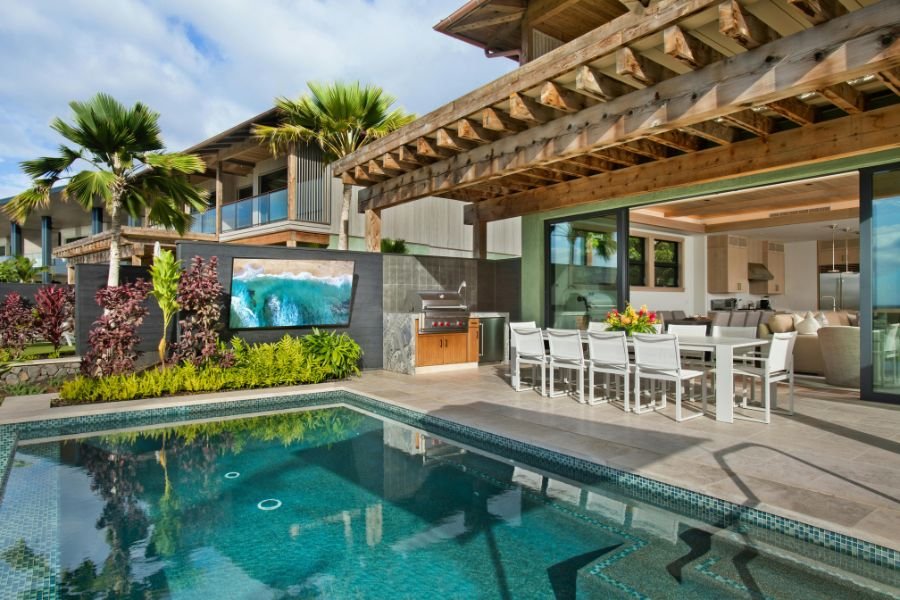
Pools with cracks, leaks, or other damage need repairs before resurfacing. These repairs will increase the overall cost.
4. Labor and Accessibility
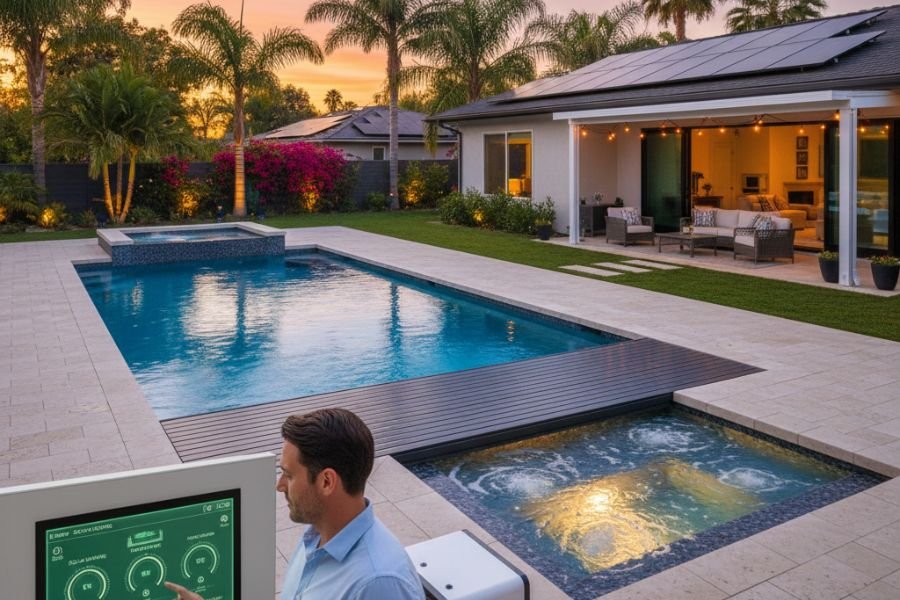
Pools that are hard to access or located in tight spaces may cost more to resurface because the work takes longer. Labor rates in your area also affect pricing.
5. Location
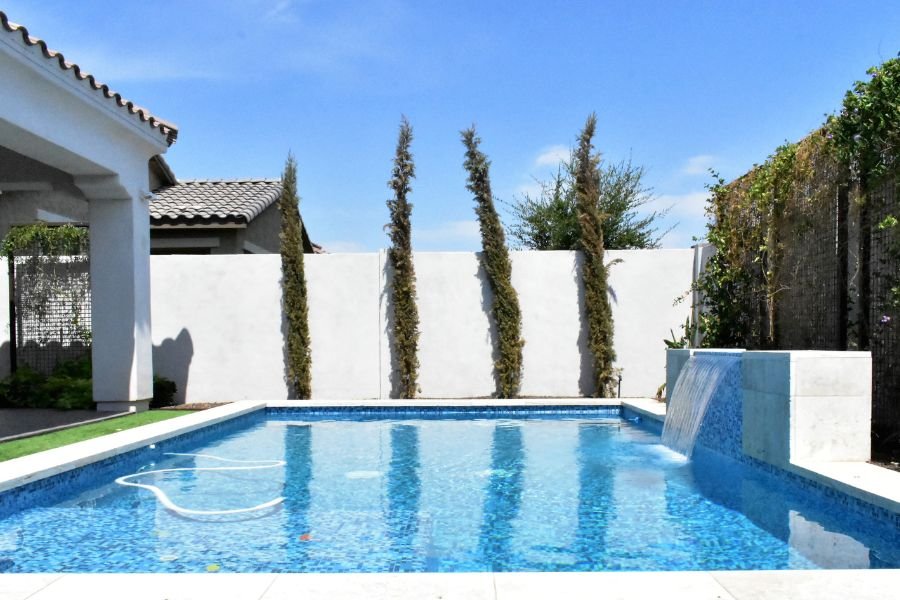
Your geographic location can impact the cost of materials and labor. Regions with higher living costs or high demand for pool work will typically charge more.
Signs Your Pool Needs Resurfacing
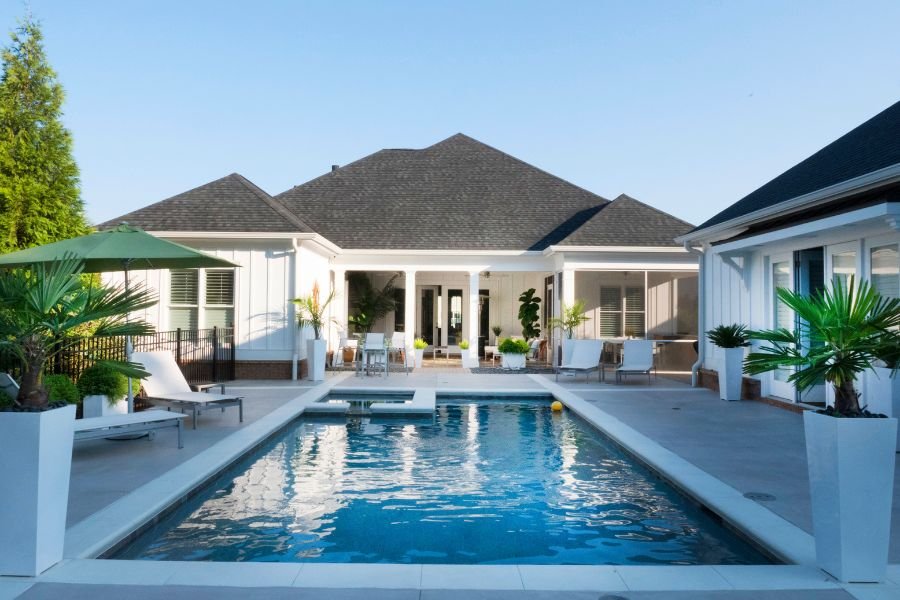
Not sure if your pool needs resurfacing? Watch for these signs:
- Rough or sandy feeling under your feet
- Cracks or chips in the surface
- Stains that won’t clean with normal chemicals
- Frequent chemical imbalance despite proper maintenance
- Flaking or peeling of the existing finish
If you notice any of these, it’s a good idea to consult a professional. Waiting too long can lead to more serious damage and higher costs.
Pool Resurfacing Process
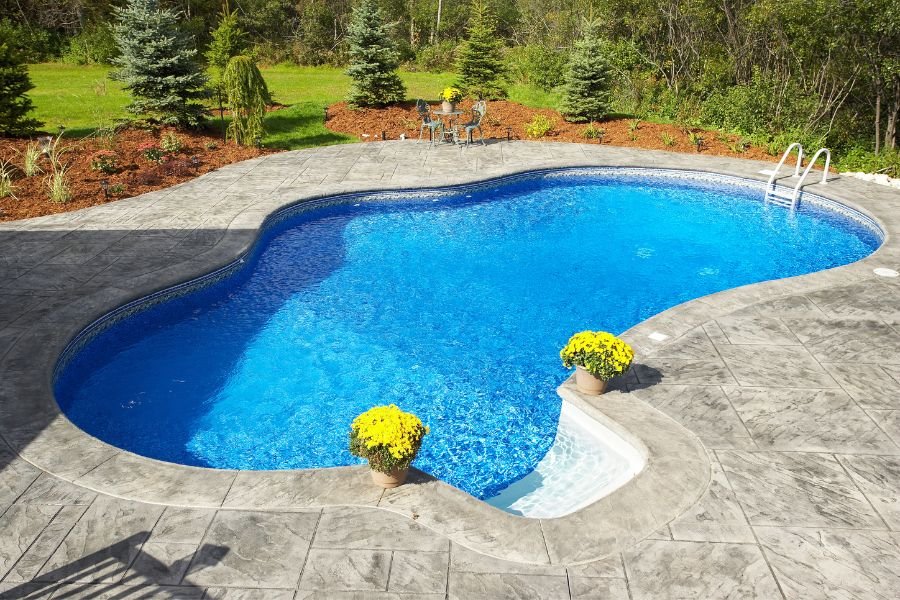
Here’s what happens during a professional resurfacing project:
- Draining the Pool: Water is removed so the surface can be worked on.
- Surface Preparation: The existing surface is cleaned, and any cracks or damage are repaired.
- Application of New Surface: The chosen material (plaster, quartz, pebble, tile, or paint) is applied carefully by professionals.
- Curing Time: Some finishes need time to fully set before the pool can be refilled.
- Refilling: The pool is refilled with water, and chemicals are balanced.
Most resurfacing projects take 1–2 weeks to complete from start to finish.
How Pool Size Affects Cost
Your pool’s size makes a big difference in pricing. Here’s a rough guide:
| Pool Size | Typical Cost |
|---|---|
| Small (200 sq. ft.) | $3,000 – $5,000 |
| Medium (500 sq. ft.) | $5,000 – $10,000 |
| Large (1,000+ sq. ft.) | $8,000 – $15,000+ |
These ranges cover standard resurfacing only. Adding tile, coping, or repairs will increase the cost.
Tips to Save Money on Resurfacing
Here are some practical ways to save:
- Plan in the Off-Season: Contractors are usually less busy, which can lower costs.
- Get Multiple Quotes: Comparing 2–3 estimates helps ensure you get a fair price.
- Address Repairs Early: Waiting can lead to bigger problems and higher costs.
- Choose a Mid-Range Finish: Quartz finishes often balance cost, durability, and appearance.
- Combine Projects: Doing tile, coping, or other upgrades at the same time can reduce labour costs.
DIY vs. Professional Resurfacing
While some homeowners consider DIY resurfacing with paint or epoxy, professional resurfacing is usually the best choice. Professionals have the skills, tools, and experience to ensure:
- Proper surface preparation
- Correct material application
- Long-lasting results
- Warranty protection
DIY projects may save money upfront but often don’t last as long and can require costly touch-ups later.
Choosing the Right Material for Your Pool
Here’s a quick guide to help you pick the best surface:
- Plaster: Best for budget-conscious owners who want a smooth, classic look.
- Quartz Aggregate: Durable, colourful, and lasts longer than plaster.
- Pebble/PebbleTec: Stylish and long-lasting with a natural feel.
- Tile: Premium option, extremely durable, fully customizable.
- Paint/Epoxy: Affordable, temporary, and ideal for a short-term refresh.
Additional Costs to Consider
Resurfacing is more than just applying a new finish. Other potential expenses include:
- Draining and cleaning the pool
- Structural repairs for cracks or leaks
- Tile or coping replacement
- Refilling the pool with water
These costs vary depending on your pool’s size and condition.
Final Thoughts
Resurfacing your pool is an investment that improves its appearance, safety, and longevity. While the average U.S. cost ranges from $6,000 to $15,000, your actual price will depend on pool size, material, condition, and location.
Waiting too long to resurface can lead to bigger repairs and higher costs. Choosing the right material and working with a professional ensures your pool looks great and lasts for years.
Ready to Bring Your Pool Back to Life?
At Aqua Elite Pool, we specialize in professional, high-quality pool resurfacing tailored to your needs. Whether your pool needs a basic plaster update or a premium tile finish, we can guide you through the process and provide a free estimate.
📧 Email us today: welcome@aquaelitepool.com
Let’s make your pool the centrepiece of your backyard again!