
Pools wear down over time. Surfaces crack. Tiles loosen. Equipment gets old and stops working properly. When that happens, renovation is usually the next step. A pool renovation can mean different things depending on the pool. Some jobs are small, like patching cracks or replacing a few tiles. Others are much bigger and involve structural repairs, new finishes, updated equipment, and new decking all at once. Either way, the process follows a clear order of steps. Knowing what those steps are helps you plan better and avoid surprises.
It’s also worth knowing that renovating a pool is not just about fixing what’s broken. Sometimes it’s about bringing an older pool up to current safety standards, improving energy efficiency, or updating a space that simply hasn’t been touched in many years. Whatever the reason, the process is largely the same.
Before Any Work Begins
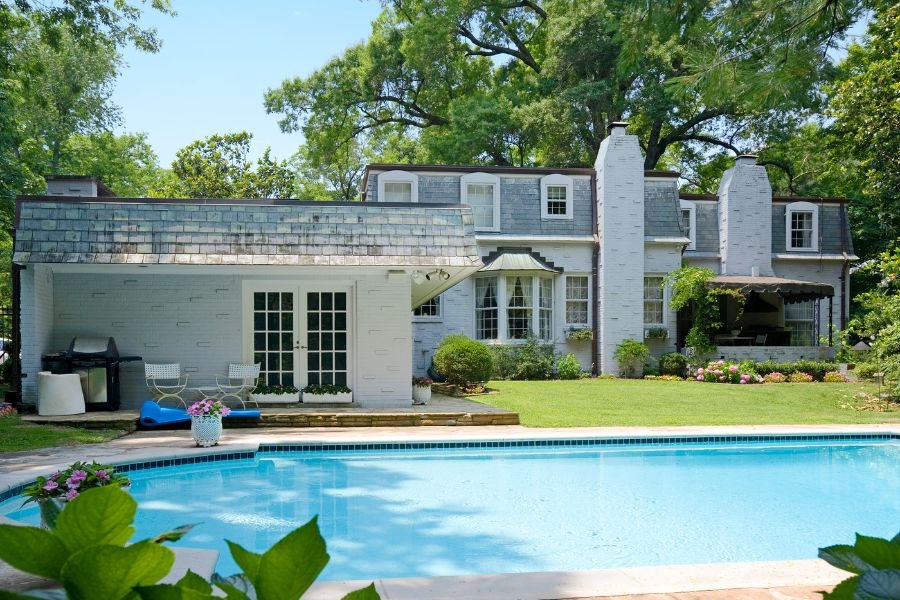
Good preparation makes a big difference. Most problems during a renovation come from decisions that weren’t thought through properly at the start.
Check the Current State of the Pool: The first thing to do is look at the pool carefully. Check the shell for cracks or damage. Look at the finish and see how worn it is. Run the pump, filter, and heater and note how well they’re working. Check the plumbing for any signs of leaks. Walk the deck and look for cracked or uneven sections. Some issues are easy to spot. Others aren’t visible without a closer look. Leaks, for example, can be slow and hard to detect until they’ve already caused damage. The same goes for hairline cracks in the shell that look minor on the surface but go deeper than they appear.
If you’re not sure what to look for, a pool professional can do this inspection for you. They can identify issues that aren’t easy to spot without experience. The goal here is to get a full, honest picture of what needs work before any decisions are made.
Figure Out What Needs to Be Done and What It Will Cost: Once you know the condition of your pool, you can set priorities. Some repairs are necessary. Others are optional improvements. It helps to separate the two. Write down what must be fixed and what you’d like to change if budget allows.
From there, contact a few pool contractors and ask for quotes. Get at least two or three. Ask about permits, labor, materials, and whether there are any costs not included in the quote. It’s also sensible to add a 10 to 15 percent buffer on top of your expected total for anything unexpected that comes up during the job.
Choose a Contractor: Look for someone who is licensed and insured. Ask to see examples of past work. Read reviews from previous customers. Get a clear breakdown of what each quote includes before making a decision.
Price alone shouldn’t be the deciding factor. What matters more is whether the contractor has the experience and track record to do the job properly. A contractor who communicates clearly, answers your questions without rushing, and explains the process in plain terms is usually a good sign.
Confirm Design Decisions and Permits: Before work starts, decide on materials. This includes the interior finish, tile, and decking. Making these choices early prevents delays once the renovation is already underway. It also gives you time to compare options properly rather than making rushed decisions mid-project.
Most renovations require council permits, especially if electrical work or structural changes are involved. Your contractor should handle the permit applications, but it’s worth knowing what approvals are needed for your specific job.
Set a Realistic Timeline: Simple jobs like resurfacing can take two to three weeks. Larger renovations covering structure, tile, decking, and equipment can take two to three months. Discuss the expected timeline with your contractor early, and account for possible weather delays depending on the season. If you have a specific date you need the pool ready by, such as before summer, work backwards from that date when planning the start of the project.
During the Renovation
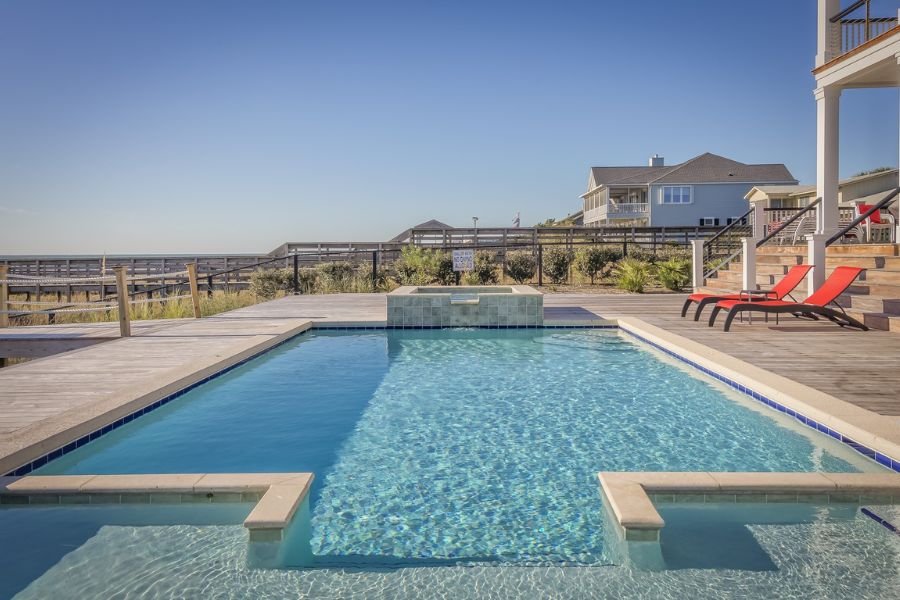
Once planning is done and permits are in place, the physical work begins. Here’s how each stage typically unfolds.
Draining the Pool: Work starts by removing all the water from the pool. This needs to be done at a controlled pace. If the soil around the pool holds a lot of groundwater, draining too quickly can cause the shell to shift or lift. A qualified contractor will check conditions before draining and take the right precautions.
Removing Old Materials: Once the pool is empty, old materials are taken out. Plaster is chipped off. Tiles are removed. Worn coping is pulled away. Sections of decking that can’t be repaired are broken up and cleared.
This stage prepares a clean surface for everything that comes next. New materials applied over old, damaged ones don’t bond or hold correctly. Skipping this step or rushing through it causes problems later when new finishes start to separate or lift.
Repairing the Shell and Structure: With the pool stripped back, any structural damage is repaired. Cracks are filled with pool-grade materials. Weak areas of concrete are reinforced. If the shape or depth of the pool is being changed, those modifications are done at this point.
The condition of the shell matters more than most people realize. It supports everything else. A new finish applied over an unrepaired shell won’t last long, and fixing structural problems after a renovation is far more expensive than addressing them during one.
Updating Plumbing and Electrical Systems: While the pool is already empty and open, plumbing and electrical work is dealt with at this stage.
Old pipes that are cracked or inefficient are replaced. Electrical systems may be updated to support new lighting, a new pump, or automation controls. If the existing equipment is over ten years old, this is a practical time to replace it. Newer pumps are more energy efficient. Modern filters perform better. LED lighting uses less power and lasts longer than older options.
Applying the New Finish and Tile:
Interior finish is applied to the inside of the pool. The main options are:
- Standard plaster is smooth and the least expensive option. It typically needs to be redone every 7 to 10 years.
- Aggregate finishes mix small pebbles or quartz particles into the plaster. They are harder wearing and last longer, but cost more upfront.
Tile is installed along the waterline using waterproof adhesive and grout. This area takes the most wear from water movement and pool chemicals. Tile work needs time to cure properly before the pool is filled. When choosing materials, consider how long they last and how much upkeep they need, not just how they look. A finish that costs more now but lasts twice as long often works out cheaper over time.
Replacing or Repairing the Deck: The deck is everything that surrounds the pool. Cracked or uneven decking is a safety concern and should be repaired or replaced as part of the renovation.
Common decking materials include concrete, natural stone, and pavers. Each has different costs and maintenance needs. Concrete is generally the most affordable. Natural stone and pavers tend to cost more but are easier to repair in sections if damage occurs later. Decking work may also include fixing drainage so water doesn’t collect around the pool edge.
Filling the Pool and Balancing the Water: Once all the work is done, the pool is refilled. This takes several hours for most pools. As soon as the pool is full, water chemistry needs to be tested and adjusted. A new finish is sensitive in the first few weeks. pH, alkalinity, calcium hardness, and chlorine levels all need to be within the correct ranges straight away. Brush the walls and floor daily for the first two weeks to help the finish cure evenly.
Ongoing Water Maintenance:
After the renovation is complete, regular maintenance keeps the pool in good condition.
- Test the water at least once a week, either at home or at a local pool supply store.
- Keep pH, alkalinity, calcium hardness, and chlorine levels within the recommended ranges at all times.
- Unbalanced water can damage the new finish and shorten the life of your equipment, so don’t skip testing.
- Brush the pool walls and floor regularly to prevent buildup and keep the surface in good shape.
- If you’re unsure about managing water chemistry yourself, take a water sample to your local pool supply store and they can test it and advise on what adjustments to make.
One Step at a Time
Knowing the full renovation process helps you plan realistically, ask the right questions, and understand what your contractor is doing at each stage.
Every pool and every renovation is different, but the steps stay largely the same. Taking each one seriously, rather than rushing through them, is what leads to a result that holds up over time. If you have questions about renovating your pool, the team at Aqua Elite Pool can help you work through what your pool needs and what the process would look like for your situation.