
Remodeling a pool in Florida is not as simple as it looks. The hot weather, local rules, and hard water all affect how the job turns out. Many homeowners run into problems that cost extra time and money, not because the work was hard, but because they did not know what to watch out for.
Here are 10 common mistakes Florida homeowners make when remodeling their pools, and what to do instead.
1. Starting Without a Clear Plan
Many homeowners start a remodel with just a rough idea of what they want. They figure out the details as they go. This is one of the fastest ways to go over budget and stretch the timeline.
When you make decisions on the fly, things do not always fit together. You may pick a finish that does not work with the tile you chose earlier, or add a feature that pushes the cost way past what you planned.
Before any work starts, write out a plan that covers:
- What you want the finished pool to look like
- How much you can spend, plus 10 to 15% extra for surprises
- Which equipment needs to be replaced
- What materials you want to use
- How you will maintain the pool after the work is done
A clear plan from the start saves a lot of headaches later.
2. Skipping a Structural Inspection
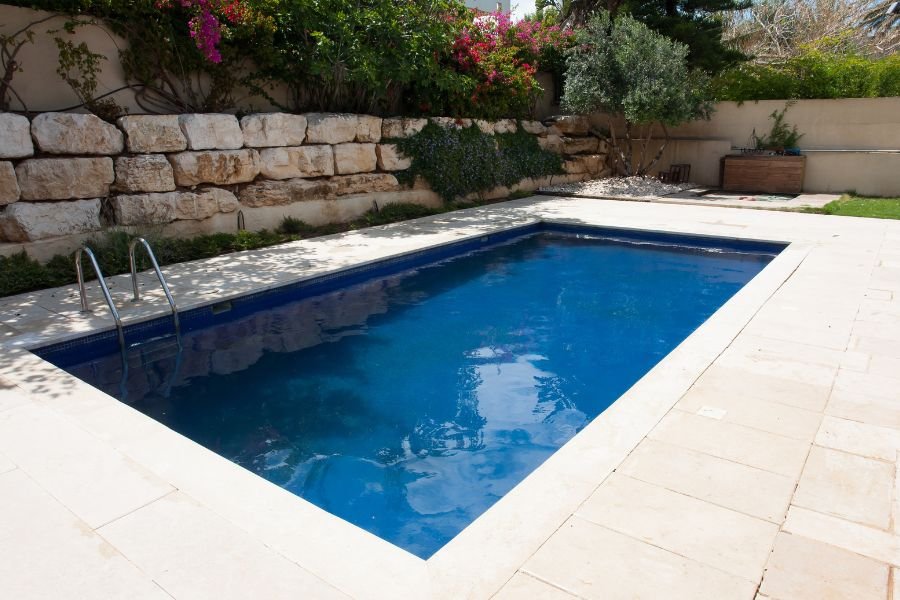
It is easy to focus on what you can see, like faded plaster or broken tiles. But some of the biggest problems are hidden below the surface.
Before you spend money on cosmetic work, have someone inspect the whole pool structure. Common hidden problems include:
- Cracks in the pool shell
- Leaks in the plumbing under the deck
- Rusted steel inside the pool walls
- The ground shifting or sinking under the pool
If you skip this step, you might end up with a nice-looking surface sitting on top of a pool that is slowly falling apart. Fix any structural problems first, then move on to the cosmetic work.
3. Picking the Wrong Pool Finish
There are several types of pool finishes. Each one looks different, costs a different amount, and lasts a different length of time. In Florida, the heat, hard water, and strong sun break down some finishes faster than others.
| Finish Type | Avg. Lifespan in FL | Notes |
|---|---|---|
| Standard White Plaster | 5 to 7 years | Stains and gets rough faster in hard water |
| Quartz Aggregate | 10 to 15 years | Holds up well, smoother feel |
| Pebble Aggregate | 15 to 20 years | Very durable, good for saltwater pools |
| Full Tile | 20+ years | Easiest to clean, highest upfront cost |
It also matters whether your pool is saltwater or freshwater. Some finishes do not hold up well in saltwater. Ask your contractor which finish works best for your pool type and your local water before you decide.
4. Not Planning for Drainage
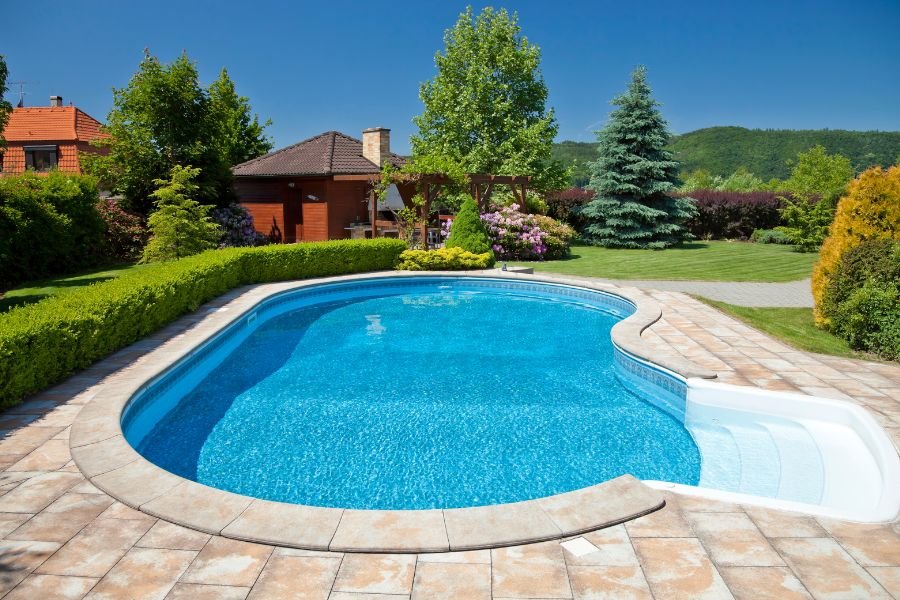
Florida gets a lot of rain. If water does not have a clear path to drain away from your pool, it causes damage over time.
Bad drainage leads to:
- Soil washing away from around the pool
- Water sitting on the deck after it rains
- The ground under the pool becoming unstable
- Mold and algae growing near the water’s edge
Good drainage should be part of the remodeling plan from day one. Ask your contractor how water will flow away from the pool and the deck. If they have not thought about it, bring it up.
5. Keeping Old Equipment
If you are already doing a remodel, it is a good time to look at the equipment too. Old single-speed pumps use a lot more electricity than newer models. Old heaters and filters do not work as well and break down sooner.
Replacing equipment during a remodel costs less in labor than doing it as a separate job later. Florida pools run almost all year, so better equipment saves real money over time. Things worth upgrading during a remodel:
- Variable-speed pump (can cut energy use by up to 90%)
- LED pool lights (last longer, use less power)
- Energy-efficient heater or heat pump
- Automated pool control system
6. Forgetting About the Pool Deck

The deck around your pool takes on a lot of wear in Florida. The heat makes it expand and shrink. Rain pushes moisture into small cracks. The sun fades and breaks down most surfaces over time. A cracked or uneven deck is also a safety risk. People slip and fall near pools more often than you might think.
If you are already remodeling the pool, take a look at the deck at the same time. Fixing both together costs less than doing two separate jobs. And a worn deck will make even a great pool remodel look worse than it should.
7. Skipping Permits
Some pool remodeling work in Florida legally requires a permit. Many homeowners skip this step to save time.
That choice can cause serious problems later:
- Unpermitted work can stop a home sale from going through
- You may have to redo or remove the work to get it up to code
- Florida has rules for pool fencing, barriers, and depth markers
- Ignoring these rules can lead to fines
A good licensed contractor will know what needs a permit and will take care of the paperwork. If a contractor tells you no permit is needed for plumbing, electrical, or structural work, double-check that before signing anything.
8. Ignoring the Startup Process After Resurfacing
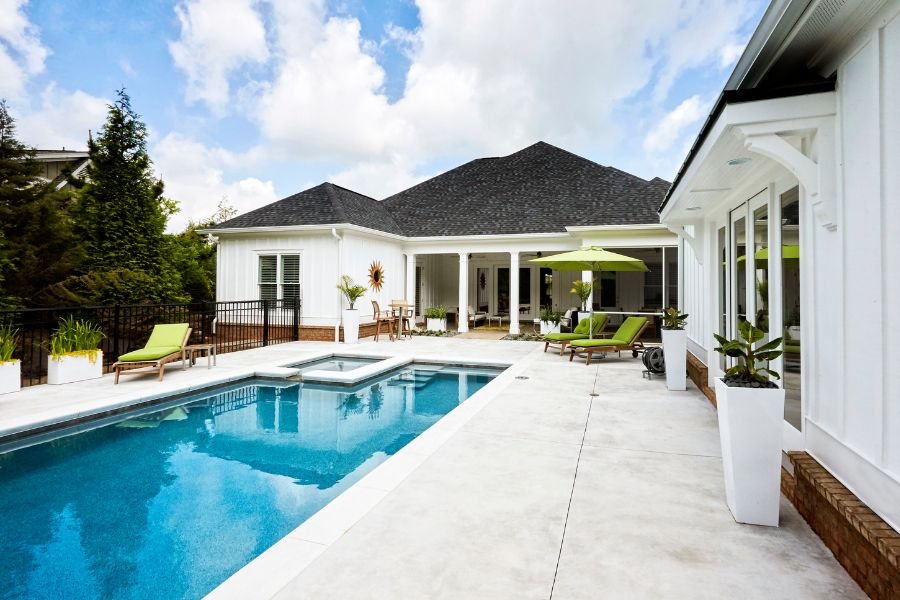
When a pool gets new plaster or a new surface, it needs special care for the first week or two. This is called the startup process. A lot of homeowners either do not know about it or skip it.
If you skip the startup process, the new surface can develop stains, rough spots, or color patches that will not go away. Here is what the startup process usually involves:
- Brushing the entire pool surface every day for one to two weeks
- Keeping the water chemistry within specific ranges
- Running the pump on a set schedule
Before your contractor leaves the job, ask for a written startup guide. Follow it exactly. What you do in those first two weeks affects how the surface looks for years.
9. Hiring Based on Price Alone
It makes sense to compare prices when hiring a contractor. But choosing the cheapest option without doing any other research often leads to poor work.
In Florida, pool contractors must have a license and insurance. Before you hire anyone, go through this checklist:
- Check their license on the Florida Department of Business and Professional Regulation website
- Make sure they have both liability insurance and workers’ compensation
- Ask for two or three references from past jobs
- Ask to see photos of finished projects
- Read their reviews on Google or the BBB
Bad work costs more to fix than it would have cost to hire the right person from the start. Structural or plumbing mistakes can mean tearing out finished work and starting over.
10. Not Planning for the Future
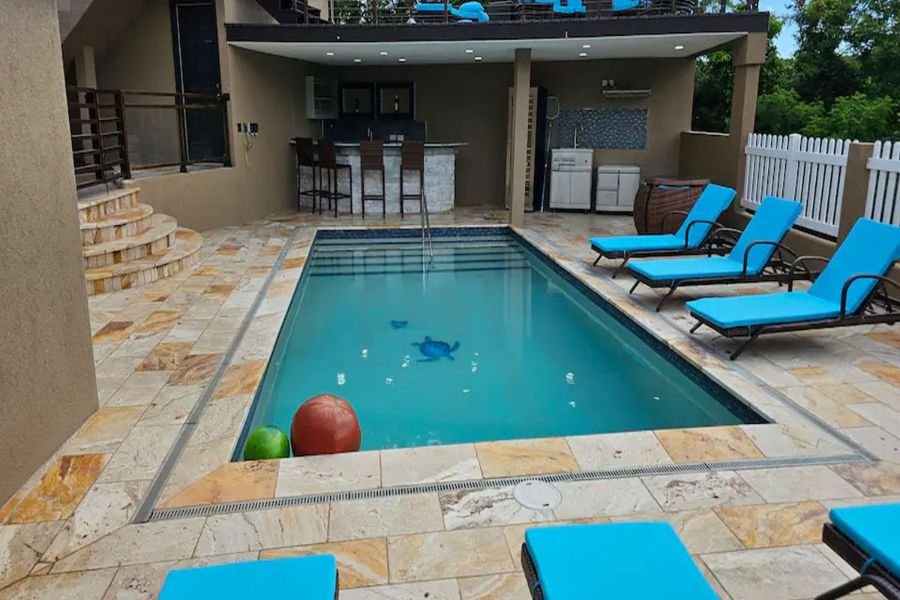
A remodel built only for today can become outdated faster than you expect. Families change. Technology improves. If your remodel does not leave room to grow, you may need another one sooner than planned.
Think ahead during the planning stage. If you might want to add a spa, waterfall, or smart controls later, run the plumbing and electrical conduit for it now. Cutting into finished work later to add those things costs much more. If you plan to sell the home someday, a well-planned remodel with good materials will hold its value better than one that cuts corners.
Quick Reference: Mistakes and How to Avoid Them
| Mistake | Main Risk | What to Do Instead |
|---|---|---|
| No clear plan | Budget overruns, design conflicts | Write a full plan before starting |
| Skipping inspection | Fixing surface over a failing structure | Inspect structure and plumbing first |
| Wrong finish choice | Early wear, staining, rough surface | Match finish to pool type and FL climate |
| Poor drainage | Erosion, pooling water, mold | Include drainage in the remodeling plan |
| Keeping old equipment | High energy bills, early failures | Upgrade pump, lighting, and heater together |
| Ignoring the deck | Safety hazard, wasted remodel value | Check and fix the deck at the same time |
| Skipping permits | Fines, blocked home sale | Use a licensed contractor who handles permits |
| Skipping startup process | Permanent surface damage | Get a written startup guide and follow it |
| Hiring on price alone | Poor workmanship, costly repairs | Check license, insurance, and references |
| No future planning | Costly retrofits, outdated design | Plan for upgrades and flexibility from the start |
Plan Smart, Remodel Right
Most of these mistakes come down to the same two things: not planning well enough and not knowing what to look for before the work starts. A pool remodel that is properly inspected, uses the right materials for Florida, follows local permit rules, and is done by a qualified contractor will last longer and cost less to keep up.
If your pool needs remodeling, resurfacing, or repair, the team at Aqua Elite Pool is happy to answer your questions before you make any decisions.