
If your pool is looking rough, stained, or worn out, it may be time to resurface it. Pool surfaces do not last forever. Heat, sunlight, chemicals, and regular use all take a toll over time. The good news is that resurfacing can make your pool look and function like new again. This guide covers what pool resurfacing is, when to do it, what finish options are available, how much it costs, and how the process works.
What Is Pool Resurfacing?
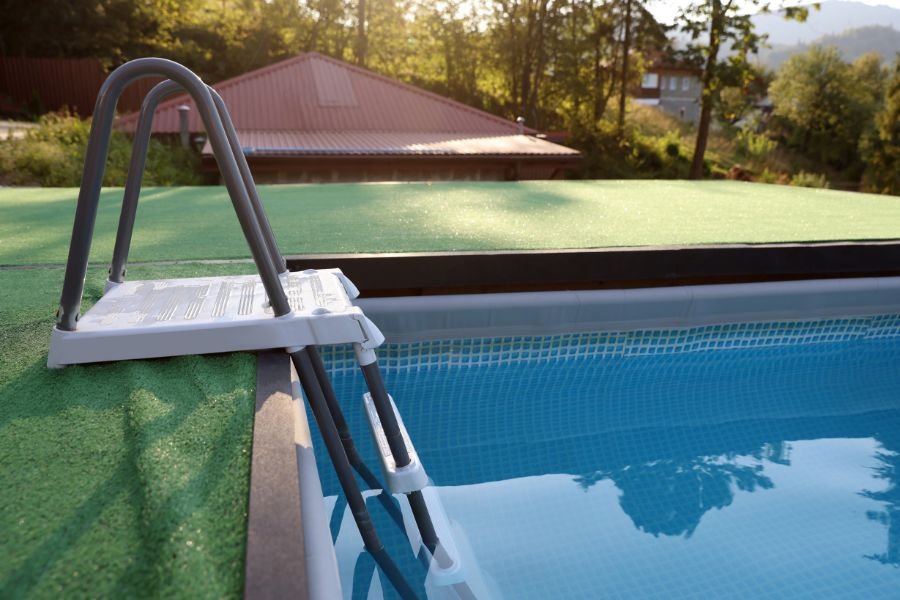
Pool resurfacing means removing the old interior finish of your pool and applying a new one. The inside of your pool is coated with a special finish that holds water in and protects the structure underneath. Over time, that finish breaks down. It gets rough, cracks, and stains. Resurfacing replaces it.
It is not just a cosmetic fix. A fresh surface also helps your pool hold water properly, makes it easier to keep clean, and reduces wear on the structure over time. Most pools need resurfacing every 10 to 15 years. In Florida, it may be needed sooner because of the local climate.
Why Florida Is Harder on Pool Surfaces
Florida pools tend to wear out faster than pools in other states. Here is why:
- Strong UV rays: Florida gets a lot of direct sunlight. UV rays break down pool finishes over time, causing fading and surface damage.
- High heat: Heat speeds up chemical reactions in the water. This puts more stress on the pool surface throughout the year.
- Year-round use: Florida’s warm weather means pools are used for more months of the year. More use leads to more surface wear.
- Hard water: Many parts of Florida have water with high mineral content. This can cause buildup and staining on pool surfaces.
- Heavy rain and storms: Florida gets a lot of rain and occasional hurricanes. Stormwater runoff can affect pool chemistry and surface condition.
These factors combined mean Florida pools often need resurfacing sooner than pools in other states.
Signs Your Pool Needs Resurfacing
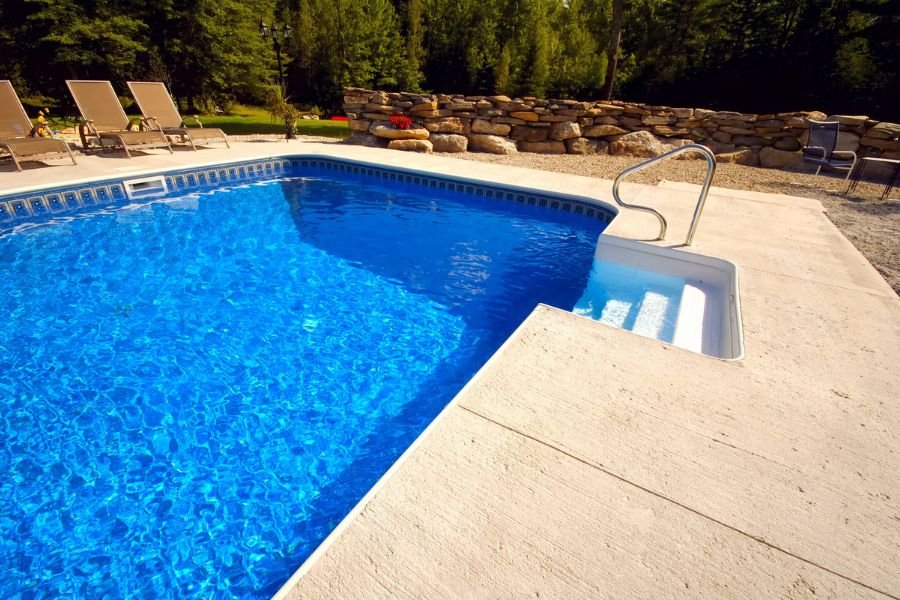
Here are the most common warning signs to look for:
- Rough or scratchy texture: If the walls or floor feel rough under your feet or hands, the surface is wearing down. It can also scratch swimmers’ skin. This is often one of the first signs homeowners notice and should not be ignored.
- Cracks or chips: Cracks in the surface can let water seep into the pool structure and lead to costly repairs. The longer you wait to address them, the more damage they can cause.
- Stains that do not come off: If scrubbing and chemicals are not working, the surface itself may be damaged. At that point, cleaning alone will not solve the problem.
- Flaking or peeling: Pieces of finish coming off means resurfacing is overdue. Continuing to use the pool in this condition can speed up damage to the shell underneath.
- Fading or uneven color: A patchy or faded surface is breaking down. It also makes the pool look older and less appealing, even if the water is clean.
- Algae that keeps coming back: A rough surface gives algae more places to grow. If it returns after treatment, the surface may be the cause. Resurfacing creates a smoother finish that is much easier to keep clean.
- Ongoing chemical imbalance: A damaged surface makes it harder to keep water chemistry stable. This can lead to more spending on chemicals without actually solving the root problem.
Types Of Finishes
There are five finish types available. Each has a different cost, lifespan, and appearance. Here is a breakdown of each one:
1. Plaster
Plaster is made from white cement and marble dust. It gives the pool a smooth, white interior. It is the most common finish used in Florida pools.
- Cost: $4 to $7 per square foot
- Lifespan: 7 to 12 years
- Good for: Those who want a basic, functional finish at a lower cost
Plaster stains more easily than other finishes and tends to have the shortest lifespan of the options listed here.
2. Quartz Aggregate
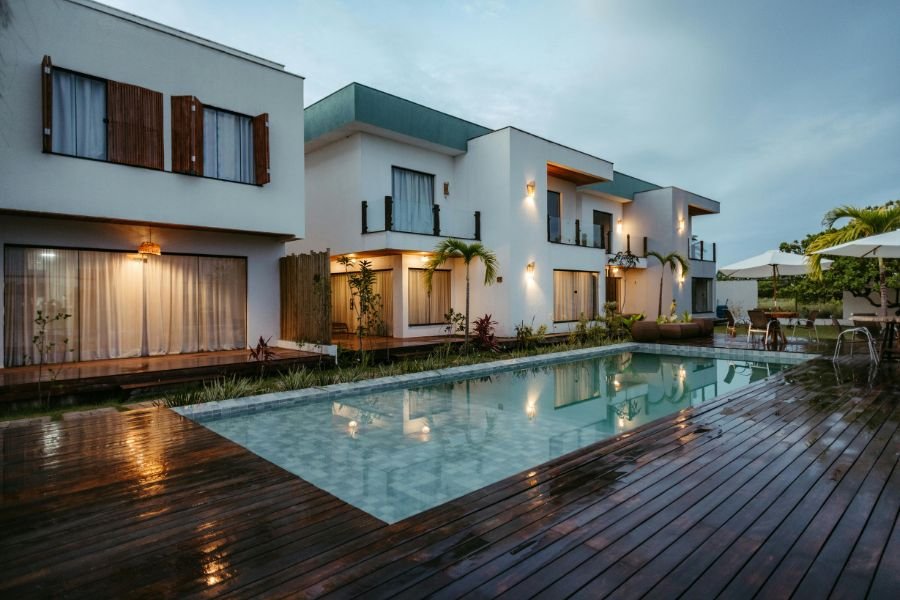
Quartz aggregate is plaster mixed with crushed quartz crystals. The quartz makes the surface harder and more resistant to staining. It also comes in more color options than plain plaster.
- Cost: $7 to $10 per square foot
- Lifespan: 12 to 15 years
- Good for: Those who want a more durable finish with more color choices
Quartz holds up better than plain plaster against Florida’s heat, UV exposure, and chemical swings.
3. Pebble / PebbleTec
Pebble finishes mix small natural stones or pebbles into the plaster. This creates a textured surface that is harder and longer lasting than plaster or quartz.
- Cost: $8 to $15 or more per square foot
- Lifespan: 15 to 20 years or more
- Good for: Those who want a finish that lasts a long time and holds up well in Florida’s conditions
The texture of pebble finishes is rougher underfoot than plaster. Whether that feels comfortable depends on personal preference.
4. Tile
Tile can be used as the full interior finish or as decorative accents along the waterline. It comes in glass, ceramic, stone, and porcelain options.
- Cost: $12 to $30 or more per square foot
- Lifespan: Very long-lasting when installed correctly
- Good for: Those who want a highly customizable finish and are willing to pay more for it
Tile is the most durable option on this list. It also requires the most skilled installation and has the highest upfront cost.
5. Paint / Epoxy
Epoxy pool paint is applied over the existing surface. It is the cheapest option and works as a short-term solution.
- Cost: $1 to $5 per square foot
- Lifespan: 3 to 5 years
- Good for: Those who need a low-cost fix or are planning a bigger renovation soon
Paint and epoxy do not last as long as other finishes. They are not a permanent solution but can extend the life of an older surface for a few more years.
How the Resurfacing Process Works
Here is what happens during a typical resurfacing job:
- Step 1: Assessment. A professional inspects the pool to check the surface and identify any cracks or structural damage.
- Step 2: Draining. The pool is fully drained before work begins.
- Step 3: Surface removal. The old finish is chipped or blasted off to create a clean base for the new surface.
- Step 4: Repairs. Any cracks or damage in the pool shell are fixed before the new finish is applied.
- Step 5: Application. The new finish is applied by the resurfacing crew. Each material has its own method of application.
- Step 6: Curing. The new surface is left to cure before the pool is refilled. Skipping or rushing this step can affect how long the surface lasts.
- Step 7: Refilling and water balancing. The pool is refilled and the water chemistry is balanced. This is especially important with a new surface.
Most jobs take 1 to 2 weeks from start to finish.
What Can Slow Things Down
Here is what happens during a typical resurfacing job:
- Step 1: Assessment. A professional inspects the pool to check the surface and identify any cracks or structural damage.
- Step 2: Draining. The pool is fully drained before work begins.
- Step 3: Surface removal. The old finish is chipped or blasted off to create a clean base for the new surface.
- Step 4: Repairs. Any cracks or damage in the pool shell are fixed before the new finish is applied.
- Step 5: Application. The new finish is applied by the resurfacing crew. Each material has its own method of application.
- Step 6: Curing. The new surface is left to cure before the pool is refilled. Skipping or rushing this step can affect how long the surface lasts.
- Step 7: Refilling and water balancing. The pool is refilled and the water chemistry is balanced. This is especially important with a new surface.
Most jobs take 1 to 2 weeks from start to finish.
Cost Overview
Prices below are based on information from Aqua Elite Pool. Final cost depends on pool size, shape, current condition, and any repairs needed.
| Finish Type | Cost Per Sq. Ft. | Typical Project Range |
|---|---|---|
| Paint / Epoxy | $1 to $5 | $3,000 to $5,000 |
| Plaster | $4 to $7 | $6,000 to $10,000 |
| Quartz Aggregate | $7 to $10 | $10,000 to $15,000 |
| Pebble / PebbleTec | $8 to $15+ | $12,000 to $20,000+ |
| Tile | $12 to $30+ | $15,000 to $30,000+ |
These figures are general ranges. Get a quote from a licensed contractor to find out the actual cost for your pool.
How to Make Your Surface Last Longer
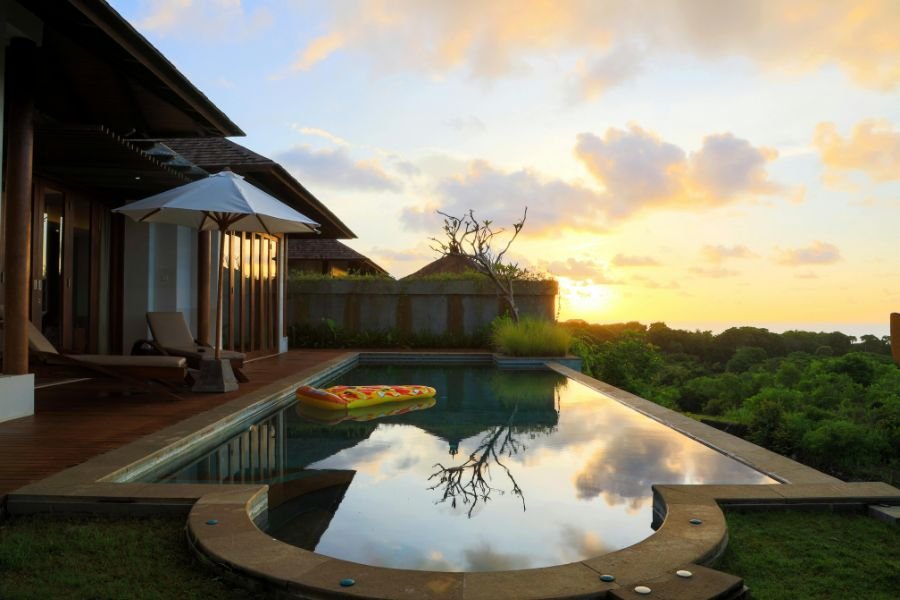
Taking care of your pool after resurfacing helps the finish last as long as possible:
- Test your water every week: Unbalanced water is one of the biggest causes of early surface damage. Keep pH, alkalinity, and calcium levels in the recommended range.
- Brush the walls and floor regularly: Brushing twice a week helps stop algae and mineral deposits from building up.
- Avoid draining your pool without reason: In Florida, an empty pool can crack or shift upward due to groundwater pressure beneath it.
- Get routine professional maintenance: A pool technician can keep water chemistry in balance and spot problems early before they become bigger repairs.
- Time your resurfacing for the off-season: Fall and early spring tend to be slower for contractors. You may have more flexibility on scheduling during those times.
Your Pool Deserves Proper Care
Pool resurfacing is a regular part of owning a pool in Florida. The climate here puts more wear on surfaces than in most other states. Knowing the warning signs, understanding your finish options, and staying on top of maintenance will help you make informed decisions and avoid costly repairs down the line.
If you are unsure whether your pool needs resurfacing, a professional inspection is a good place to start. Aqua Elite Pool offers a free assessment to help you understand the condition of your pool and what options make sense for your situation.