
Building a custom pool is exciting. A pool makes your backyard a place for fun, relaxation, and family memories. But creating a custom pool is not just about digging a hole and adding water. Engineering plays a key role in making a pool safe, beautiful, and long-lasting. Every step, from design to construction, relies on careful planning and smart engineering decisions.
In this blog, we will explore how engineering shapes custom pool construction. We’ll talk about design, safety, materials, water systems, and maintenance. By the end, you’ll understand why engineers are important partners in building your dream pool.
Why Engineering Matters in Pool Construction
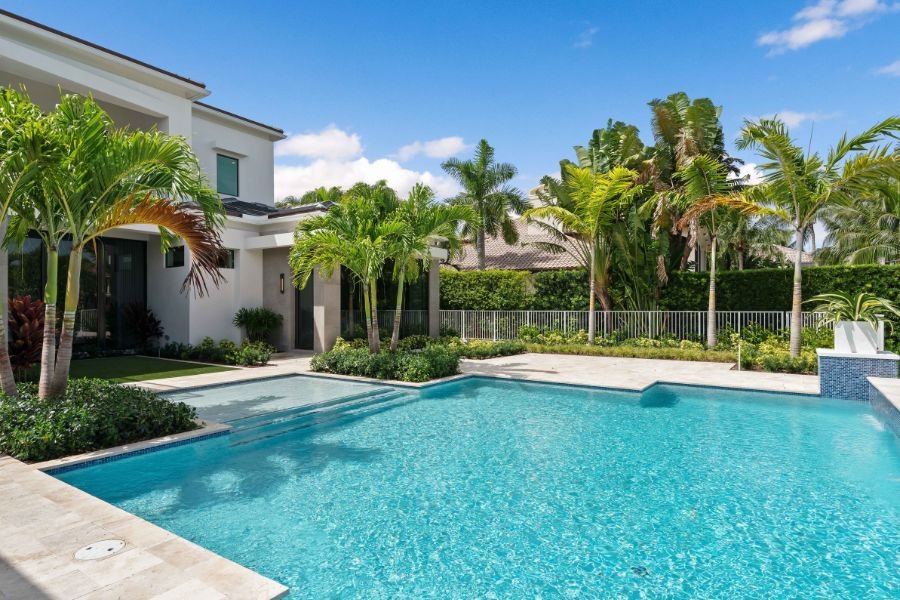
Engineering is all about planning and building structures that work well and last long. When it comes to pools, engineers make sure your pool is safe, efficient, and enjoyable.
A custom pool is more than a hole in the ground filled with water. Engineers calculate the correct shape, depth, and slope. They plan how water will flow, how the structure will hold up, and how plumbing and electrical systems will work. Without this planning, a pool can have leaks, weak walls, or unsafe areas.
Good engineering also saves money. Proper planning reduces the need for repairs. It ensures your pool runs efficiently and lasts for many years. In short, engineering turns your backyard pool dream into a reality that is safe, beautiful, and reliable.
Planning and Designing a Custom Pool
The first step in building a custom pool is planning and design. Engineers and pool designers work together to create a plan that fits your backyard, lifestyle, and budget.
They start by measuring the space and checking the soil. The type of soil affects the pool structure. Sandy or clay soil behaves differently and needs different construction methods. Engineers use this information to decide what materials to use and how to support the pool walls and floor.
Design is also about shape and size. A pool should fit the space comfortably. Engineers calculate dimensions to make sure the water depth is safe and the structure is stable. They also plan how to place steps, ledges, and seating areas for comfort. Finally, engineers consider aesthetics. They suggest coping, tiles, lighting, and water features. Every element is designed to match your vision while staying safe and functional.
Structural Engineering for Pools
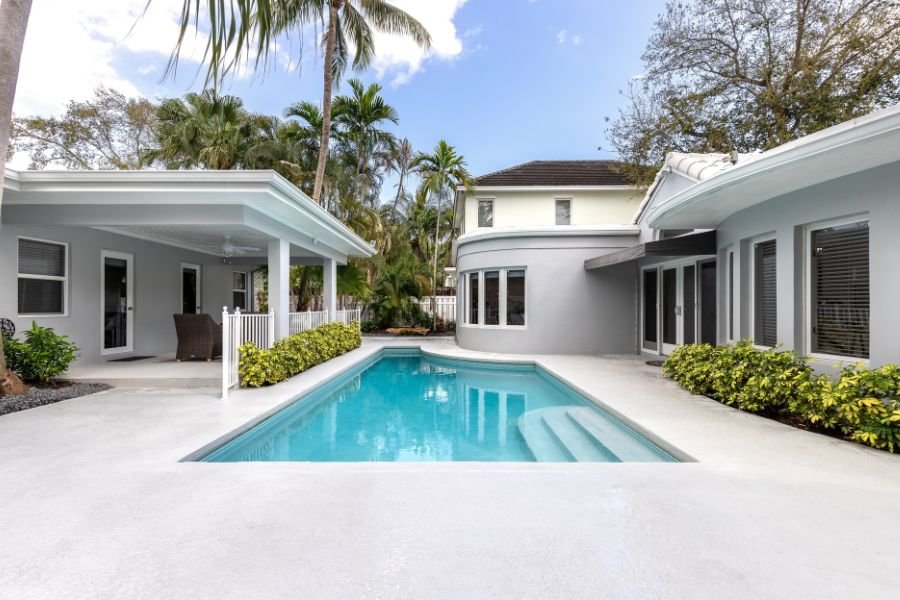
The structure of a pool is like the backbone of the body. It keeps the pool strong and safe. Structural engineers focus on walls, floors, and supporting elements.
Custom pools often use reinforced concrete, which is concrete with steel bars inside. This makes the pool strong and resistant to cracks. Engineers calculate the right thickness of walls and floors. They consider water pressure, soil movement, and nearby buildings.
For some pools, fiberglass or vinyl liners are used. Even then, engineers plan how the pool will hold water and resist damage. They check how the pool will settle in the ground and how to prevent leaks.
Structural engineering ensures your pool is stable for years. It prevents cracks, collapses, and water loss.
Civil Engineering and Site Preparation
Civil engineers work on site preparation. They make sure the ground is ready for construction.
The first step is excavation. Engineers decide how deep and wide to dig. They make sure the hole is level and safe. Drainage is also planned. Water should not pool around the pool walls, or it can cause damage.
Civil engineers also check for underground utilities like gas, electricity, and water lines. Planning these details prevents accidents and makes construction smoother.
They may design retaining walls for sloped backyards. These walls protect the pool and prevent soil erosion. Site preparation is a critical step that sets the foundation for a long-lasting pool.
Plumbing and Water Systems
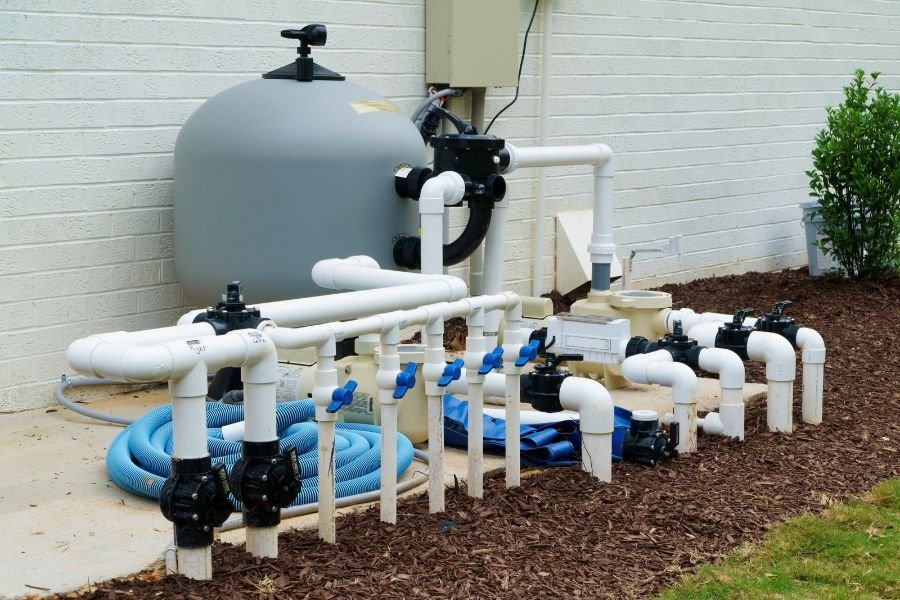
A pool needs a lot of water systems. Plumbing engineers design how water moves in and out of the pool.
Pipes, drains, skimmers, and filters are all planned carefully. Engineers calculate the right pipe sizes to move water efficiently. They make sure water flows evenly to avoid stagnant areas.
Filtration systems are designed to keep water clean. Pumps move water through filters and back into the pool. Engineers calculate pump size and filter capacity to match pool volume. Proper design saves energy and keeps water clear.
Some pools have heating systems. Engineers plan heaters, heat pumps, or solar panels. They calculate how much energy is needed to keep water warm. This makes swimming comfortable even in cooler weather.
Water features like fountains, waterfalls, and jets also require planning. Engineers design these features to work without affecting the pool’s circulation or safety.
Electrical Systems and Safety
Electrical engineers make sure your pool is safe. Pools often have lights, pumps, heaters, and water features. These need electricity.
Engineers plan wiring that is waterproof and safe. They install ground fault circuit interrupters (GFCIs) to prevent electric shocks. Lighting systems are designed for safety and aesthetics. Submerged lights are sealed to prevent leaks.
Safety rules are followed carefully. Proper grounding, circuit protection, and emergency shut-offs protect swimmers. Engineers make sure your pool meets all local codes and safety standards.
Pool Coping and Deck Design
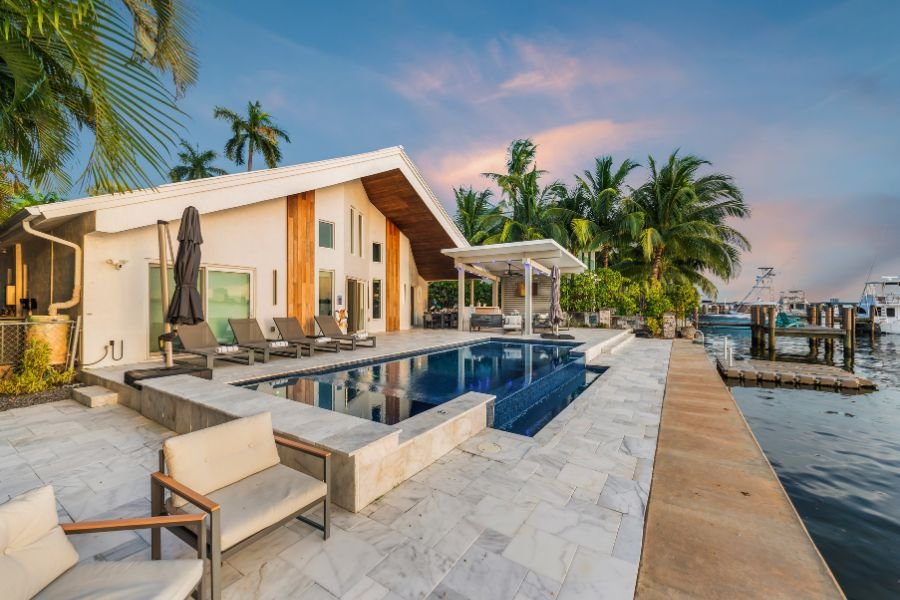
Pool coping and decking are part of the engineered design. Coping is the edge of the pool. Decking is the surrounding area where people walk and relax.
Engineers choose materials that are strong, slip-resistant, and durable. Concrete, stone, wood, and pavers are common options. They design slopes for drainage so water doesn’t pool on the deck.
Decks must support furniture, planters, and other weight. Engineers plan thickness, support, and material to prevent cracks or sinking. Properly designed decks make the pool safe and comfortable for everyone.
Filtration and Chemical Balance
Keeping a pool clean requires filtration and chemical management. Engineers design filtration systems that circulate water efficiently. They calculate pump size, pipe diameter, and filter type.
They also plan for chemical dosing systems. Maintaining the right chlorine and pH levels prevents algae and bacteria. Engineers ensure these systems are safe, efficient, and easy to maintain. Proper design keeps water clear, healthy, and enjoyable for swimmers.
Heating and Energy Efficiency
Pool heating is part of engineering design. Some pools use gas heaters, heat pumps, or solar systems. Engineers calculate how much heat is needed to maintain a comfortable temperature.
They also plan energy-efficient systems to save money. Covering the pool when not in use keeps heat in. Properly sized pumps and filters reduce energy use. Engineers help create a pool that is warm, cost-effective, and eco-friendly.
Safety Engineering
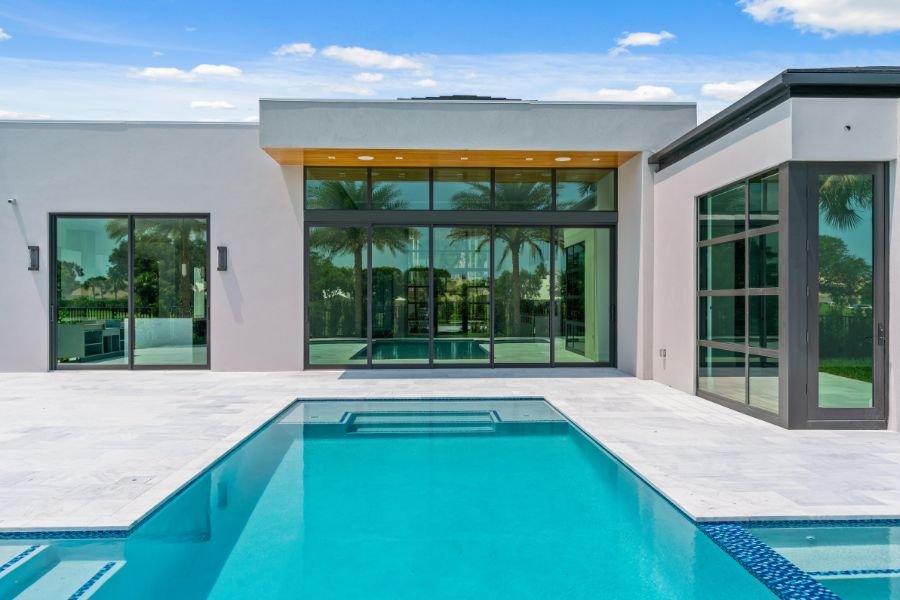
Safety is a major part of pool engineering. Fences, gates, and alarms are often required by law. Engineers design these features so children and pets are safe.
Steps, ladders, and handrails are carefully planned. They prevent slips and falls. Water depth markers and lighting are also engineered to enhance safety. Good engineering creates a pool that is fun, but secure for all users.
Landscaping and Surroundings
Engineers work with landscape designers to make the pool fit the backyard. Trees, plants, and walls can affect the pool structure and water quality.
Engineers plan drainage, soil stability, and shade. They also suggest materials that resist water and chemicals. Landscaping and pool design go hand in hand. Proper planning prevents damage and enhances beauty.
Maintenance Planning
Engineers also consider long-term maintenance. Proper design reduces repairs and cleaning needs.
They make sure water circulation reaches all areas. They choose materials that resist cracking, fading, and algae growth. Engineers plan access points for pumps, filters, and drains so maintenance is easy. This keeps your pool looking and working its best for years.
The Role of Technology in Modern Pool Engineering
Modern pools use advanced technology. Engineers use computer software to model the pool before construction. This includes 3D designs, plumbing layouts, and structural simulations.
Technology helps spot problems early. It ensures accurate measurements, correct slopes, and proper drainage. Engineers can also simulate water flow, heater performance, and lighting. This reduces mistakes and ensures a smooth construction process.
Smart pool systems are becoming common. They allow remote control of pumps, heaters, and lights. Engineers plan these systems for convenience and safety.
Choosing the Right Engineer
Not all engineers have experience with pools. Choosing a qualified pool engineer is important. Look for engineers who understand structural, plumbing, and electrical aspects. Experience with local building codes is also important.
Good engineers work with designers, contractors, and homeowners. They communicate clearly and plan carefully. This ensures the pool is safe, beautiful, and built on time.
Common Pool Construction Challenges
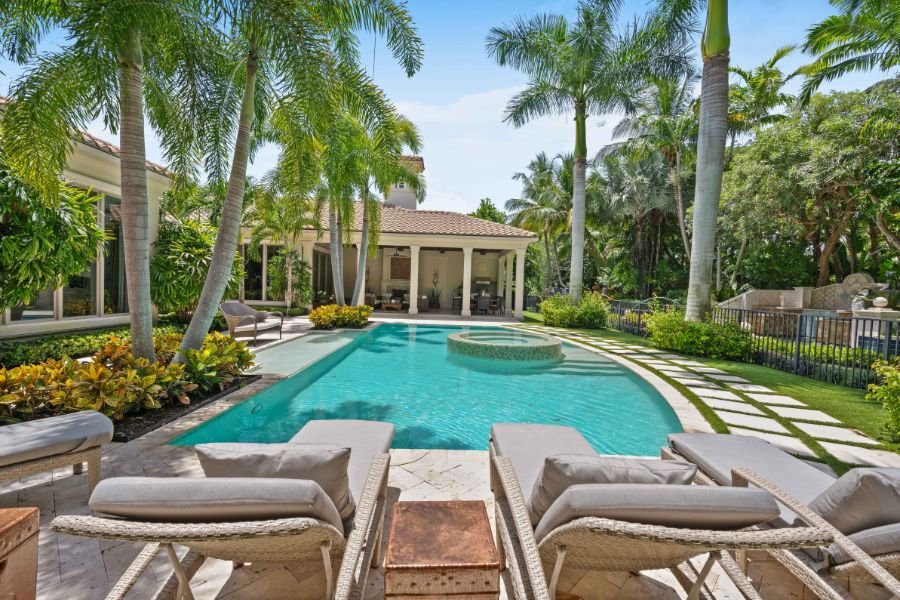
Even with good planning, challenges can happen. Soil issues, weather delays, or unexpected obstacles can occur. Engineers plan for these risks.
They design pools with flexibility to adapt. For example, walls can be reinforced, drainage adjusted, or plumbing rerouted. Engineers solve problems before they become costly mistakes.
The Importance of Collaboration
Custom pool construction is a team effort. Engineers, designers, and contractors must work together. Homeowners should be involved in decisions too.
Clear communication ensures the pool matches the vision. Everyone knows their responsibilities. Engineers provide the technical guidance to make the plan safe and functional. Collaboration reduces delays, mistakes, and costs.
Sustainability and Eco-Friendly Design
Engineering can also make pools eco-friendly. Efficient pumps, solar heating, and LED lighting reduce energy use. Proper landscaping reduces water waste.
Engineers also choose materials that last longer and resist chemicals. Sustainable design saves money and protects the environment. A well-engineered pool is both beautiful and responsible.
Final Thoughts
Engineering plays a critical role in custom pool construction. It ensures safety, durability, and efficiency. Engineers plan everything from structure and plumbing to lighting and landscaping. They help design pools that are beautiful, safe, and long-lasting.
A well-engineered pool saves money, reduces maintenance, and improves enjoyment. It also makes your backyard more valuable and fun for your family.
At Aqua Elite Pools, we transform ordinary backyards into custom outdoor retreats. With our personalized pool designs and expert construction services, we bring your dream space to life. Ready to create a backyard you’ll love every day? Contact us at welcome@aquaelitepool.com or call (689) 280-0434. We’re here to help you enjoy a beautiful, safe, and relaxing pool area for years to come.