
Owning a pool is a lot of fun. It is a place to swim, relax, exercise, and enjoy time with family and friends. But a pool also requires care. Without proper maintenance, pools can develop problems, like leaks, broken pumps, or algae growth. These issues can shorten the life of your pool and cost a lot to fix. Preventive care is the key to keeping your pool safe, clean, and long-lasting.
In this blog, we will explore how simple preventive steps can protect your pool. We will cover cleaning routines, water care, equipment maintenance, seasonal checks, and safety tips. Following these steps helps your pool stay in great condition for years, saving money and effort in the long run.
Why Preventive Care Matters

Pools are exposed to water, sunlight, chemicals, and weather every day. Over time, these elements can cause wear and tear. Preventive care stops small problems from turning into big ones. Regular maintenance keeps the water clear, equipment running, and structure strong. It also keeps swimmers safe from harmful bacteria or accidents.
Taking care of your pool regularly can save you money. Fixing a pump or filter early is cheaper than replacing the whole system. Cleaning algae before it spreads prevents damage to walls and floors. Overall, preventive care makes pool ownership easier, safer, and more enjoyable.
Keep Your Pool Water Balanced
Water care is the heart of pool maintenance. Balanced water protects the pool surface, equipment, and swimmers. Test your water at least once a week. You need to check pH, chlorine levels, alkalinity, and calcium hardness.
The pH should be between 7.2 and 7.6. Chlorine keeps bacteria and algae under control. Alkalinity stabilizes the pH, and calcium hardness prevents scaling or corrosion. Adding the right chemicals keeps water safe and protects your pool’s surface from damage.
Neglecting water balance can cause stains, cloudiness, or even damage to metal parts like ladders or pumps. It also makes swimming uncomfortable, causing red eyes or itchy skin. Regular water testing is simple and keeps your pool healthy.
Regular Cleaning Is Essential
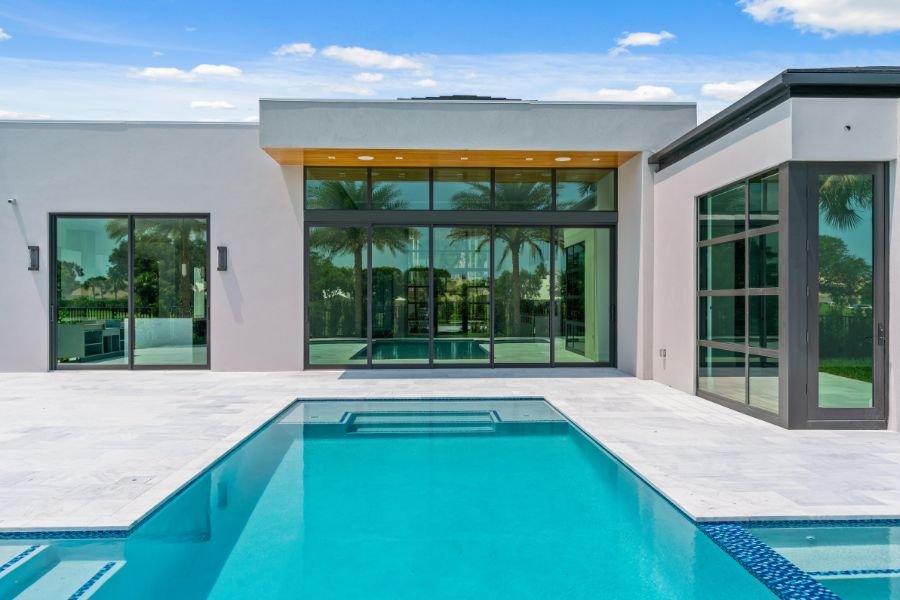
Cleaning your pool is not just about appearance. Dirt, leaves, and debris can clog pumps and filters. They also encourage algae growth. Use a skimmer to remove leaves and floating debris every day. Vacuum the pool floor at least once a week to remove dirt that sinks to the bottom.
Brush the walls and tiles to prevent algae and calcium buildup. Don’t forget corners and steps where dirt can hide. Clean your pool deck too, as dirt and leaves can get blown into the water.
By keeping your pool clean, you protect equipment, prevent slippery surfaces, and keep the water inviting. A clean pool also shows that preventive care is being done properly.
Maintain Pool Equipment
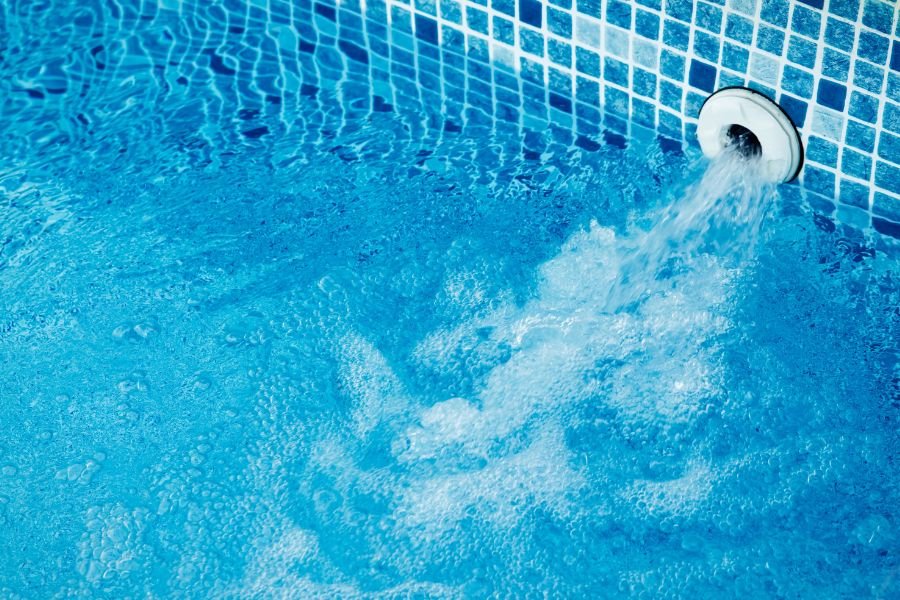
Pool equipment is expensive and critical for proper functioning. Pumps, filters, heaters, and skimmers need regular attention. Check pumps weekly for leaks or unusual noises. Clean filters as recommended by the manufacturer, usually every few weeks. A dirty filter reduces water circulation and can strain the pump.
Heaters should be checked for proper operation and signs of rust or corrosion. Skimmers and baskets should be emptied regularly. Lubricate O-rings and seals to prevent cracks and leaks.
Well-maintained equipment lasts longer and runs efficiently. This prevents breakdowns, reduces energy costs, and avoids costly emergency repairs. Preventive maintenance keeps the pool system running smoothly.
Control Algae and Bacteria
Algae and bacteria grow quickly in warm, sunny pool water. They can make the pool slippery, dirty, and unsafe. Regular chlorine treatment and brushing prevent algae from forming. Shocking your pool periodically kills bacteria and other harmful organisms.
Keep water circulating and filters clean to prevent stagnant areas. If you see green or cloudy water, act immediately. Treating it early prevents the problem from spreading and damaging pool surfaces.
Controlling algae and bacteria also improves swimmer health. Clean, clear water reduces skin irritations and infections. Preventive care in this area is essential for both safety and pool longevity.
Inspect Pool Surfaces

Pool walls, floors, and tiles can develop cracks or wear over time. Inspect the surfaces regularly for chips, cracks, or loose tiles. Small cracks can become big leaks if ignored. Repair minor damage as soon as it appears.
For concrete or plaster pools, check for scaling or discoloration. For vinyl or fiberglass pools, inspect liners for tears or punctures. Regular inspection prevents costly resurfacing or liner replacement in the future.
A smooth, intact pool surface also keeps swimmers safe and comfortable. Preventive care here protects the structural integrity of your pool.
Seasonal Pool Care
Different seasons bring different challenges. In Florida, hot summers, heavy rains, and hurricanes can affect your pool. During summer, watch for algae growth and high water evaporation. Clean filters and top off water as needed.
In fall, leaves and debris increase, so skimming and vacuuming become more frequent. Check equipment for wear and tear before winter. Even in mild winters, winterizing your pool—covering it and reducing chemical use—prevents damage from storms or debris.
Following a seasonal routine keeps your pool in great shape all year. Preventive care reduces stress and keeps your pool ready whenever you want to swim.
Protect Pool Plumbing
Plumbing is often overlooked, but leaks and clogs can shorten your pool’s lifespan. Check hoses, pipes, and fittings regularly for leaks or cracks. Repair any damage immediately. Avoid running pumps when water levels are too low, as this can cause dry running and damage seals.
Clearing debris from skimmers and strainers also protects plumbing. Preventive plumbing care prevents costly water loss, reduces the risk of pump failure, and ensures smooth operation.
Keep an Eye on Water Levels
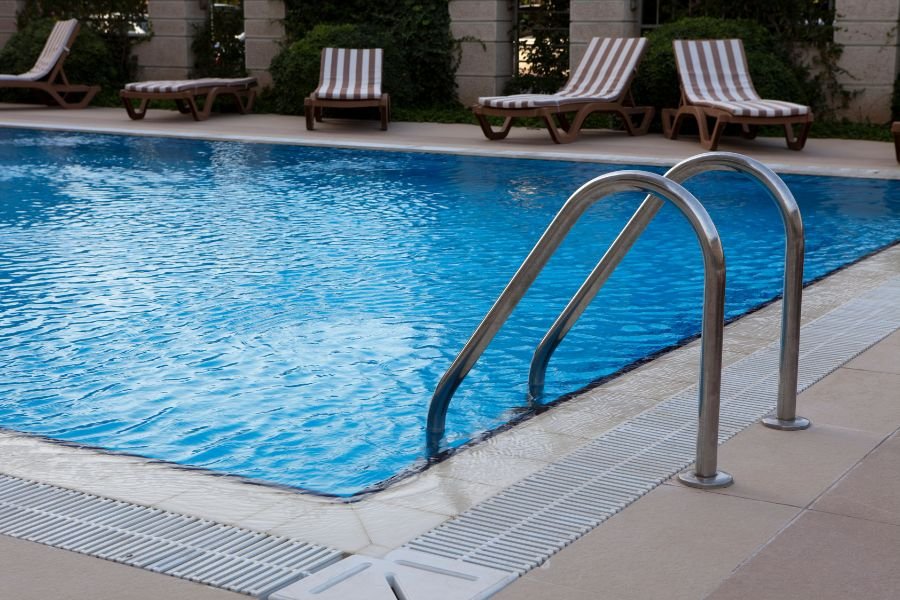
Water levels affect equipment and pool performance. If the water is too low, pumps can run dry and get damaged. Too high, and skimmers may not work properly. Check water levels weekly and adjust as needed.
Rain, evaporation, and splashing can change levels quickly. Adding water regularly keeps pumps safe, skimmers effective, and swimming comfortable. Preventive care includes monitoring and maintaining the correct water height.
Safety and Preventive Measures
Safety is part of preventive care. Ensure fences, gates, and alarms are in place and working. Keep pool chemicals stored securely, out of children’s reach. Inspect ladders and handrails to make sure they are secure.
Regularly check for slippery areas and fix them to prevent accidents. Preventive safety measures protect swimmers and avoid accidents that could damage your pool or create liability issues.
Monitor Energy and Equipment Efficiency
Pool equipment uses electricity, and inefficient operation increases costs and wears out parts faster. Check that pumps, heaters, and lights are working efficiently. Consider using timers or energy-efficient pumps to reduce wear and energy bills.
Clean and maintain equipment regularly to ensure it works at peak efficiency. Preventive energy care saves money and extends the life of pumps, heaters, and other devices.
The Benefits of Consistent Pool Maintenance

Taking care of your pool regularly comes with many benefits. When you maintain it properly, your pool stays clean, safe, and enjoyable all year long.
Keeps Your Pool Looking Great: A well-maintained pool always looks inviting. Regular cleaning prevents cloudy water, algae growth, and leaves or debris from piling up. Clear, sparkling water makes your backyard more appealing and enjoyable for everyone.
Protects Your Investment: Pools are a big investment. Routine maintenance helps all parts—pumps, filters, heaters, and surfaces—last longer. Fixing small problems early prevents costly repairs later. This saves money and keeps your pool in great shape for years.
Ensures Safe Swimming: A pool that isn’t cared for properly can become a home for bacteria and germs. Poor water quality can lead to skin infections, swimmer’s ear, stomach issues, or respiratory problems. Keeping your water balanced and clean keeps your family and guests safe while enjoying the pool.
By caring for your pool consistently, you not only protect your investment but also create a safe and beautiful space to swim and relax.
When to Call a Professional
Some preventive care can be done by pool owners, but professionals can catch problems early. Regular inspections by a pool technician identify hidden issues with pumps, heaters, plumbing, and water chemistry.
Hiring a professional also ensures repairs are done correctly, which protects the pool’s lifespan. Even a well-maintained pool benefits from professional attention at least once or twice a year. Preventive professional care complements regular owner maintenance.
Final Thoughts
A pool is a big investment, and preventive care is the key to protecting it. Regular cleaning, water care, equipment maintenance, and seasonal checks prevent small problems from becoming costly repairs. Monitoring plumbing, water levels, and safety ensures your pool remains functional and enjoyable.
By following these simple steps, your pool will stay clean, safe, and long-lasting. Preventive care is easier than fixing major problems, and it keeps your backyard a happy place for family and friends.
Aqua Elite Pools turns ordinary backyards into custom outdoor retreats. With our tailored pool designs and expert construction, we make your dream space a reality. Ready to transform your backyard? Reach us at welcome@aquaelitepool.com or call (689) 280-0434. We’re here to help you enjoy a beautiful, relaxing pool and outdoor area every day.