
When designing or updating a pool, choosing the right tile makes a big difference. Many Florida homeowners ask whether glass tiles or porcelain tiles work best. The right choice affects how the pool looks, lasts, and how easy it is to maintain. Florida’s sun and humidity can also impact tile performance.
Glass tiles and porcelain tiles each have their own benefits. Glass tiles add sparkle and bright, colorful designs, while porcelain tiles are strong, slip-resistant, and handle pool chemicals well. Doing a proper pool tile comparison helps you pick the best fit for your needs.
In this blog, you will get to learn about what glass tiles are and how they differ from porcelain tiles. We will cover the advantages and disadvantages of each for Florida pool tiles. You’ll also see tips on cost, installation, and maintenance. By the end, you’ll know which pool tile works best for your backyard.
What Is A Glass Tile?
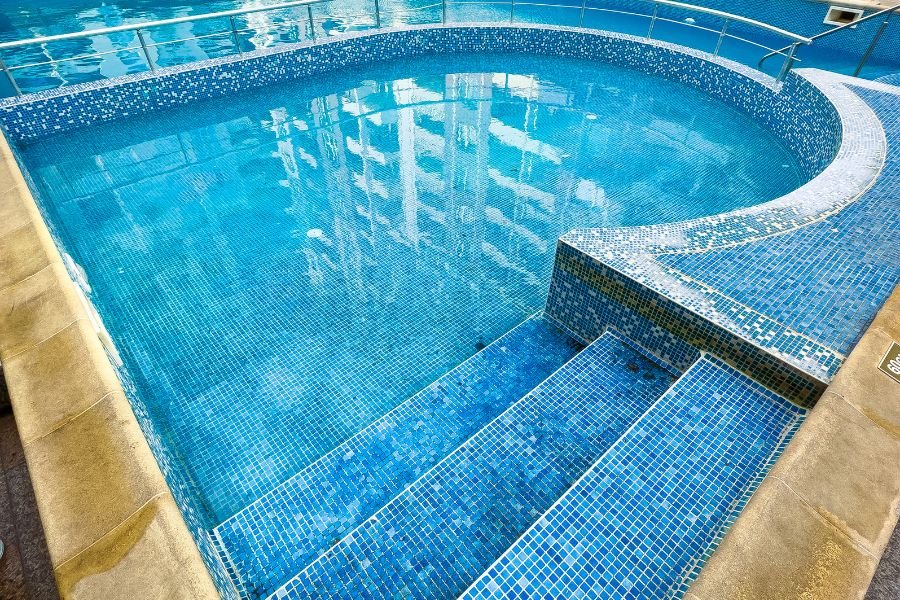
Glass pool tiles are made from pieces of recycled glass and shaped into small squares, rectangles, or mosaic sheets. They come in vibrant colors and reflective finishes, giving pools a sparkling, eye-catching look. Their smooth, shiny surface makes them perfect as a decorative pool tile, adding a bright, lively touch to any swimming area. These tiles are lightweight, which makes it easier to create custom mosaic patterns or unique designs for your backyard pool.
Designed to handle the sunny Central Florida climate, glass pool tiles resist fading and hold up well against water and pool chemicals. They reflect light beautifully, creating a shimmering effect in the water. Whether used for the waterline, steps, or full pool walls, these tiles are a stylish and long-lasting option for enhancing any pool.
What Is Porcelain Tile?
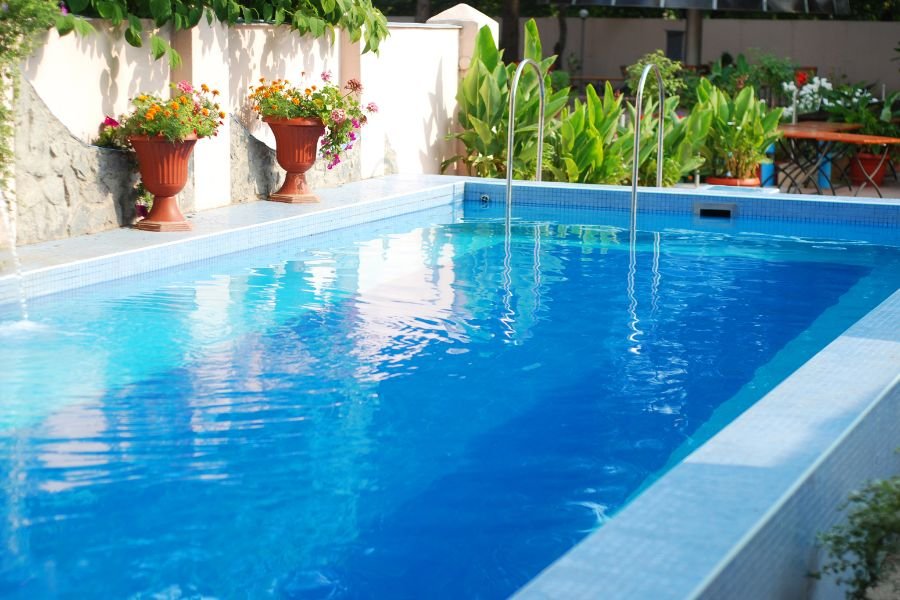
Porcelain pool tiles are made from natural clay and minerals, pressed and fired at very high temperatures to create a dense, strong material. Their low porosity makes them resistant to water, stains, and bacteria, which is why they are often used as a durable pool tile option. They can handle heat, pool chemicals, and heavy use, making them perfect for busy backyard pools in materials that Florida homeowners rely on.
These tiles come in a wide range of colors, patterns, and textures, including stone-look options, allowing you to match your pool design to any style. They are highly scratch and stain-resistant, easy to clean, and long-lasting. Whether used for pool floors, walls, or steps, porcelain pool tiles offer both strength and style for any backyard project.
Glass Tile Advantages And Disadvantages For Florida Pools

There are plenty of beautiful benefits that you get from glass tiles; however, it is also important to be aware of the drawbacks that you get from them. Keep on reading to gain complete knowledge about the advantages and disadvantages of glass tile for Florida pools.
Pros Of Glass Tile
If you are planning to choose glass tiles for your swimming pool, these are the advantages that you are going to get:
- Bright Finish: The reflective surface of glass tiles makes Florida pools sparkle, catching sunlight and creating a vibrant, lively shimmer in the water. This adds depth, dimension, and a luxurious feel to your pool area, making it visually stunning.
- Easy to Clean: These are true easy clean tiles, meaning you only need simple brushing or wiping to remove dirt, leaves, or pool residue. Their smooth, non-porous surface prevents staining and keeps your pool looking fresh with minimal effort.
- Long-Lasting Color: The colors in glass tiles are embedded or fused during manufacturing, allowing them to resist fading even under the strong Florida sun. Your pool maintains its bright, vibrant look year after year without losing visual appeal.
- Lightweight Design: Glass tiles are lightweight, making them ideal for custom designs and intricate mosaics. They are easy to handle, fit well on pool curves, steps, or waterlines, and allow for creative layouts without adding unnecessary weight to the pool structure.
- Durable and Hygienic: Glass tiles are completely non-porous, so they resist mold, mildew, and bacterial growth. They handle harsh pool chemicals and temperature changes well, keeping your pool safe, low-maintenance, and clean while providing long-lasting durability.
Cons Of Glass Tile
Even though there are multiple advantages of glass tiles, there are certain disadvantages as well. Below, you are going to learn about them:
- Higher Cost: Glass tiles are generally more expensive than other options, making the overall glass tile cost higher. This can impact your budget for materials and labor, especially for large pools or intricate mosaic designs, so planning ahead is important.
- Slippery Surface: The smooth finish of glass makes it one of the more slippery pool tile options. Extra care is needed around wet areas, and using small mosaics or matte finishes can help improve traction and prevent accidents near the pool.
- Chipping Risk: Individual glass tiles can chip or crack if heavy objects are dropped or if there is a strong impact. While overall durable, these tiles are more delicate than porcelain, so high-traffic areas may require careful placement and extra attention.
- Visible Installation Issues: Glass tiles show any imperfections clearly. Air bubbles, misaligned tiles, or debris under the surface can be highly noticeable, and repairing or replacing a broken tile requires patience and precision to avoid affecting the surrounding delicate grout and tiles.
Porcelain Tile Benefits And Drawbacks For Florida Pools
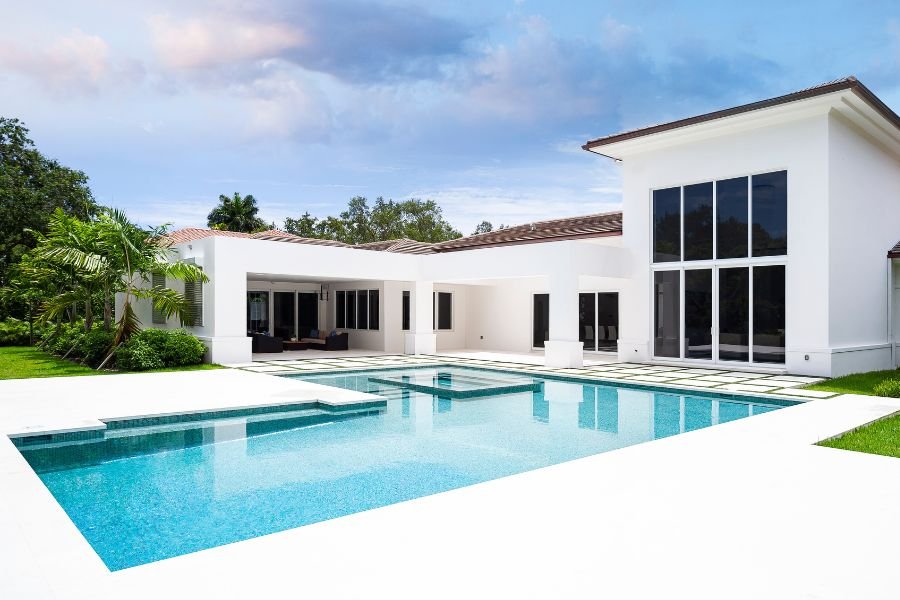
Porcelain Tile is another popular choice that many homeowners in Florida choose for their swimming pool. If you are planning to install porcelain tiles in your swimming pool than it is important that you know about the benefits and drawbacks of it.
Pros Of Porcelain Tile
Porcelain tile offers many great advantages. To know more about it, keep on reading, as below you are going to learn about the benefits:
- Extreme Durability: Porcelain is one of the most long-lasting pool tiles you can choose. It holds up for many years in Florida pool environments, handling heat, heavy use, and daily wear without cracking, fading, or losing its strong surface.
- Strong Surface: Fired at very high temperatures, porcelain becomes dense and hard. This makes it highly resistant to scratches, chips, and impact, which is helpful for busy pool decks, steps, and areas where furniture or pool equipment is often moved.
- Slip Resistance: Many porcelain options come as textured or slip-resistant tiles, making them safer for wet pool areas. This added grip helps reduce the chance of slipping, especially for kids running around or guests walking near the water.
- Chemical Protection: Porcelain handles chlorine, saltwater systems, and common pool cleaners very well. Its low water absorption helps prevent stains, mold, and mildew, keeping the surface looking clean and fresh even after constant exposure to water.
- Budget Friendly: Compared to some luxury materials, porcelain is more affordable for large projects. It allows homeowners to cover bigger pool areas without overspending, while still getting a stylish finish that can mimic stone, wood, or modern designs.
Cons Of Porcelain Tile
Before you make your decision to choose Porcelain Tile, you should also know about the drawbacks that it has and how they may affect your pool project.
- Heavy Material: Porcelain is one of the heavy pool tiles, which means it takes more effort to move, lift, and install during construction. This added weight can make handling slower and may require a strong base for proper support.
- Hard To Cut: Because porcelain is very dense, it is harder to cut and shape compared to other tiles. Installers need special tools, and detailed designs or tight corners can take more time and careful work.
- Subtle Finish: Porcelain is often considered one of the less shiny pool tiles, giving a softer and more natural look. While many people like this style, it does not create the same bright sparkle or reflective effect as glass.
- Limited Color Range: Although porcelain comes in many designs, it usually offers fewer bold and vibrant color options compared to glass pool tiles. If you want a bright, glowing waterline or dramatic visual effect, choices may feel slightly limited.
Cost Vs. Installation: What To Know For Pool Tiles
When you are installing tiles in your swimming pool, it is important to understand the pool tile cost and the type of pool tile installation included in that price. Below, you will find a clear table explaining both materials in detail.
| Porcelain Tile | Glass Tile |
|---|---|
| Lower cost per square foot, making it easier to manage your overall pool tile cost, especially for large Florida pools. | Higher material price per square foot due to its premium finish and detailed manufacturing process. |
| Easier and faster to install for most professional crews, sometimes even suitable for simple or beginner installation projects. | More labor-intensive installation that requires skilled professionals familiar with handling delicate glass pieces. |
| Uses standard setting materials and adhesives, which keeps supply expenses more affordable. | Needs special white adhesives or epoxy so the backing does not show through the tile surface. |
| Cutting is straightforward for experienced installers using proper tools, which helps control labor time. | Cutting takes extra care because glass can chip, leading to slower progress and possible material waste. |
| Overall installation usually takes less time, helping manage the total pool project budget in Florida. | Installation time is longer, and added labor can significantly increase the total pool project budget in Florida. |
Choosing The Best Tile For Florida Pools

Till now, you have learned a lot about both Glass Tile and Porcelain Tile. However, if you are still unsure which option fits your needs, keep reading, because the points below will help you choose wisely.
- Set Priorities: Start by thinking about what matters more to you, a sparkling decorative look or a durable, low-maintenance surface. Your personal goals will guide you toward the best pool tiles for your space.
- Think Long Term: Florida pools face strong sun, heat, heavy rain, and pool chemicals. Choose a tile that will still look good years from now, not just something that looks nice on day one.
- Balance Budget: Decide how much you are comfortable spending on materials and labor. Porcelain works well for larger surfaces, while glass can be used in smaller areas if you want a stylish touch.
- Mix Both Tiles: Many homeowners combine porcelain for main areas like floors and steps, then add glass tiles as accents or waterlines. This mix gives you beauty and strength in one smart Florida pool design.
- Safety First: Wet pool decks and steps can be slippery. Look for textured finishes or smaller tiles that add grip, especially if kids or older family members will be using the pool often.
- Match Home Style: Your tile choice should blend well with your home’s outdoor look. Modern homes may suit sleek glass accents, while natural or coastal styles often pair nicely with softer porcelain tones.
- Professional Installation: No matter which tile you pick, proper installation makes a big difference. When installed correctly, both glass and porcelain handle Florida heat, sunlight, and pool chemicals very well.
Pool Tile Maintenance Tips For Florida Pools
Keeping your pool tiles in good shape in Florida takes regular care. With the right pool tile maintenance routine and simple habits, you can keep your pool bright, smooth, and inviting all year long.
- Weekly Brushing: Brush the waterline every week using a soft nylon brush to clean pool tiles and remove sunscreen, body oils, and dirt. This simple step stops buildup from turning into hard stains that are tougher to remove later.
- Watch Water Levels: Keep your pool’s pH and calcium levels balanced to prevent white scale from forming on tiles. When water chemistry stays in range, you reduce stains, cloudy buildup, and the need for heavy scrubbing.
- Glass Care: Clean glass tiles with a soft brush and mild cleaner, and avoid abrasive pads that can scratch the surface. Also, check once in a while for chipped or loose pieces so small problems do not grow.
- Porcelain Care: Porcelain tiles can be lightly pressure-washed when needed and cleaned with mild solutions. Check grout lines from time to time, because strong grout helps keep tiles secure long after maintenance, after installation is complete.
- Quick Spot Cleaning: Do not ignore small stains or green spots. Light scrubbing as soon as you see buildup keeps algae from spreading and makes regular cleaning easier, helping your Florida pool stay fresh and sparkling.
Final Thoughts: Glass And Porcelain Pool Tiles
Choosing between glass and porcelain pool tiles depends on what fits your needs best. You learned what each tile is, its advantages and drawbacks, how cost and installation compare, how to choose the right option, and how to maintain them properly. Glass tile adds sparkle and visual impact, while porcelain adds durability and long-term strength. Choose based on your pool style, budget, and usage, and consult a Florida pool expert for the best combination.
We at Aqua Elite Pools build custom, resort-style pools that fit your vision and lifestyle in Florida. We combine beautiful design with quality craftsmanship and personal service to bring your backyard to life. If you’re ready to explore the best pool tile options for your project, contact us for a free consultation. Email us at welcome@aquaelitepool.com or call (689) 280-0434 to get started today.