
By Henri Pera, Aqua Elite Pools™ co-founder
The water sounds different at dusk. Not louder.
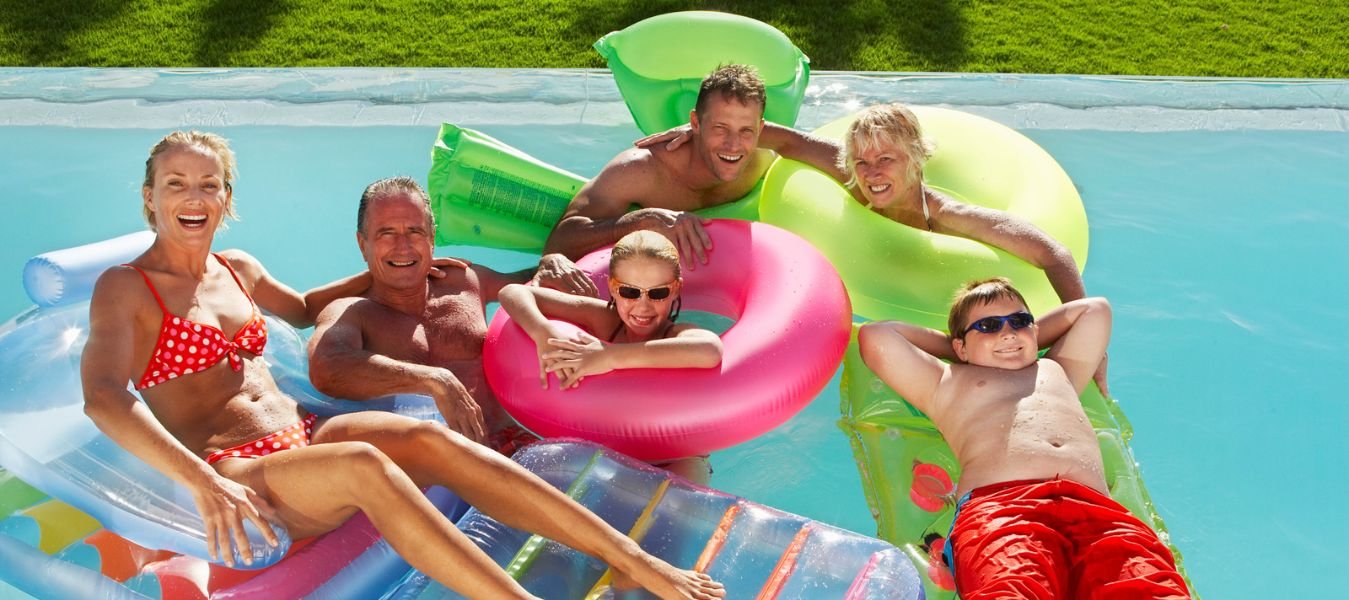
Just… different. When a spa spillover cascades into the pool below, the sound shifts from bright percussion to something deeper, almost meditative. Picture a parent relaxing on a spa’s tiled bench while a child practices handstands in the main pool fifteen feet away. The water connects them—literally flowing between spaces—but gives each person exactly what
they need in that moment.
This is what good design does. It understands that wellness isn’t one-size-fits-all, even within the same family
The Integration Question Nobody Asks
What does relaxation actually look like for your family?
When Separation Creates Connection
There’s a counterintuitive truth about pool-spa design: Sometimes the best way to bring people together is to give them separate spaces that happen to share water.
Attached spillover spas work beautifully for young families. When your children are five and seven, you want everyone within arm’s reach. The spa becomes an extension of the shallow end—warmer water for little bodies that get cold quickly, but still part of the same space where you’re supervising.
But families evolve. Those five-year-olds become fifteen-year-olds who’d rather have their friends over than sit in the spa with parents. The design that worked perfectly for a decade suddenly creates friction.
This is where elevated separate spas reveal their genius. Same backyard. Same sightlines. But acoustically and thermally distinct zones. You can see your teenagers from the spa without hearing every word of their conversation. They can be themselves. You can be yourselves. The family remains connected without being forced together.
Industry data suggests that homes with separate-but-adjacent spa configurations report higher overall usage rates compared to directly attached designs. The reason isn’t mysterious: People use spaces that offer appropriate privacy for their needs. A separate spa gives adults permission to relax without feeling like they’re abandoning their kids in the pool.
The Spillover Effect (Beyond Aesthetics)
Walk through any luxury outdoor living showroom and you’ll see endless photos of water cascading from elevated spas into pools below. It looks spectacular in photographs—that sheet of falling water catching light, creating movement and sound.
But the spillover effect delivers more than visual drama. It fundamentally changes how the space feels to be in.
Moving water produces negative ions. Research from Columbia University’s Center for Atmospheric Research indicates that environments with higher concentrations of negative ions correlate with improved mood and reduced stress responses. The spa spillover becomes a natural generator of these ions, continuously refreshing the air around your pool.
Then there’s the sound consideration. A well-designed spillover creates white noise that masks neighborhood sounds without being overwhelming. It provides acoustic privacy—you can have a conversation at the pool without worrying that neighbors are hearing every word. This matters particularly in closer-set neighborhoods throughout Winter Park or Dr. Phillips where homes share property lines.
The practical benefits surprise people. That continuous water movement means your spa water flows into the pool system, getting filtered and circulated rather than sitting stagnant. Better water quality with less chemical intervention. The spillover also helps regulate temperature in the main pool during cooler months—that warmer spa water mixing in can extend your comfortable swimming season by weeks.
Elevation Strategies That Actually Work
Most pool-spa elevation decisions get made based on aesthetics or available space. But the smartest designs start with thermal dynamics and sightlines.
Raising a spa eighteen to twenty-four inches above pool level creates natural temperature stratification. Hot air rises, taking heat with it. That elevated spa maintains temperature more efficiently than a pool-level version because less heat escapes through the water surface into cooler air. Your heater runs less. Your energy costs drop. The laws of physics do the work.
The sightline consideration matters more than most homeowners initially realize. An elevated spa at the far end of a pool creates a visual anchor—a destination point that draws the eye and makes the entire space feel more intentional and complete. But that same elevation means anyone in the spa has an elevated perspective of the entire backyard.
For families with young children, this becomes a supervision advantage. Imagine parents relaxing in the spa while maintaining clear sightlines to kids playing in the pool or on the deck. No blind spots. No anxiety about what’s happening in areas you can’t see.
For households hosting friends, that elevated position becomes the natural gathering spot for adults. You’re part of the party without being in the middle of the splash zone. You can participate in conversations happening at deck level or in the pool without shouting. The elevation creates presence without proximity.
The Year-Round Calculation
Here’s the financial reality that changes the conversation for many Central Florida families: A spa can be comfortably used 300+ days per year. A pool? Realistically about 180 days for most households, even in our climate.
That usage differential matters when you’re evaluating return on investment. A pool-spa combination effectively gives you two seasons of use—the summer pool season and the winter spa season that extends well into months when pool swimming feels less appealing.
The heating cost calculation shifts too. Heating 400 gallons of spa water to 102 degrees costs significantly less than heating 20,000 gallons of pool water to 82 degrees. During cooler months, many families find they use the spa almost exclusively, barely heating the main pool at all.
This becomes particularly relevant for families considering a pool primarily for entertaining. A spa handles adult evening gatherings beautifully in winter when a pool would sit unused. The backyard remains the social epicenter year-round rather than becoming dormant for four months—a consideration especially valued in communities like Celebration or Winter Garden where outdoor living drives neighborhood culture.
Design Configurations Worth Considering
The traditional corner spillover spa attached directly to the pool remains popular for good reason—it’s space-efficient, visually cohesive, and works well for young families. But several alternative configurations deserve consideration depending on your specific needs.
The Elevated Peninsula Design
The spa projects into the pool as a peninsula rather than sitting in a corner. This creates water on three sides of the spa, increasing the visual drama of multiple spillover edges. Works exceptionally well for narrow lots where you want maximum water feature impact without consuming too much linear footage.
The Bridge Connection
A raised spa at the pool’s far end connected by a single elevated channel that guests can walk under. This creates an architectural moment—that bridge element becomes a focal point. The flowing water channel provides sound and movement without the full commitment of a wide spillover edge.
The Separate but Adjacent Configuration
Spa positioned five to ten feet from the pool with no physical water connection. Often includes a shared equipment system but thermally independent zones. Offers maximum flexibility for separate use while maintaining visual cohesion through coordinated materials and elevation.
The Courtyard Cluster
Multiple small spas (three to four people each) positioned around a larger pool. Popular with multi-generational households where different groups want simultaneous hot water access without crowding. More common in very large backyards but increasingly requested by families who entertain extensively.
The Heating System Nobody Regrets
If there’s one universal truth about pool-spa combinations, it’s this: Separate heaters for separate bodies of water eliminate approximately 90% of the thermal arguments that arise in households with integrated systems.
Shared heating systems work fine until the day someone wants the spa at 104 degrees while others want to swim laps in a cooler pool. Or when the spa sits unused for a week and you’re heating water nobody’s in. Separate systems let each space operate independently based on actual use patterns rather than compromise temperatures that don’t satisfy anyone.
Heat pumps have become the default choice for most Central Florida pools—efficient in our climate, economical to operate. But many families opt for gas heaters specifically for the spa. The logic: Spas heat quickly, and that rapid response time matters when you decide at 7pm that you want to relax in hot water by 7:30. A heat pump would still be working at 9pm. A gas heater has you soaking by the time you’ve changed into swimwear.
Solar heating deserves mention for its year-round advantage in Florida. The same solar panels that extend your pool season by weeks can preheat spa water before the gas heater kicks in. You’re not generating 102-degree water with solar alone, but warming from 72 degrees to 85 degrees with free solar energy before the gas heater works the final 17 degrees makes a noticeable difference in operating costs.
Seating Configurations That Change Everything
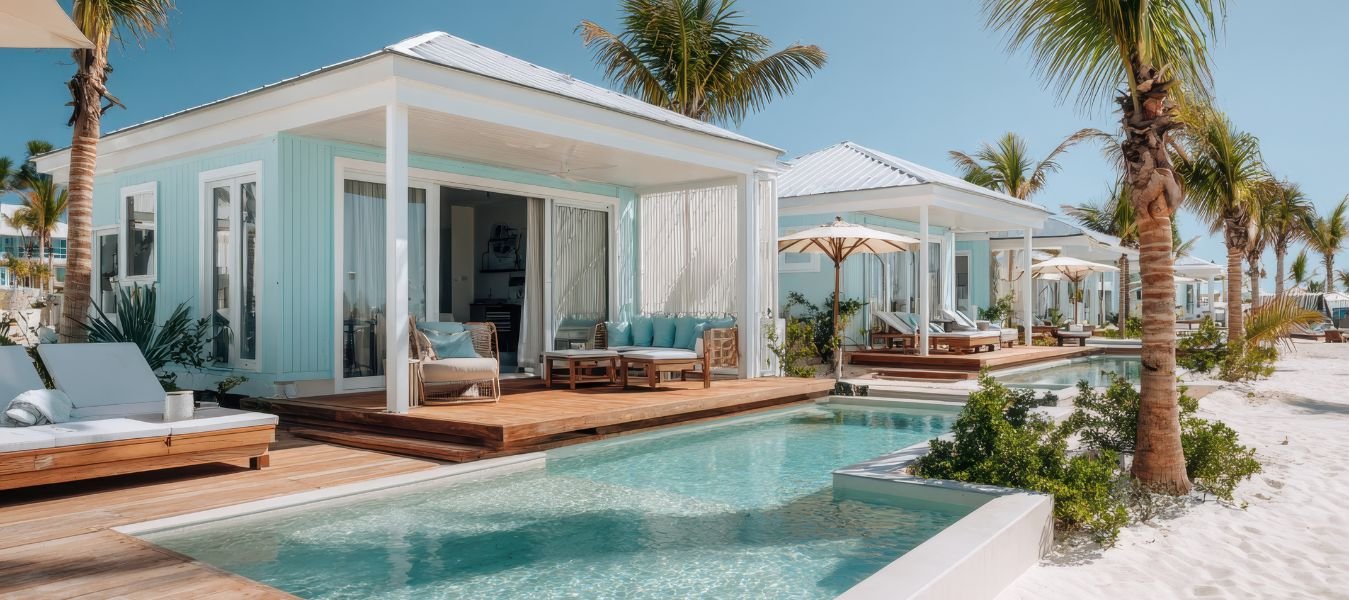
The interior design of the spa matters as much as its exterior relationship to the pool. Maybe more, since that’s where bodies actually spend time.
Bench seating around the perimeter works fine for casual soaking but creates an odd social dynamic—everyone facing inward toward the center, making conversation feel either too intimate or oddly formal depending on who’s present. Fine for couples. Awkward for groups.
Contoured seating with varied depths accommodates different body sizes naturally. Deeper seats for taller people who want water to their shoulders. Shallower areas for shorter adults or teenagers. Built-in variety means everyone finds a comfortable spot without the weird “this seat is clearly meant for someone bigger than me” feeling.
Jets placement deserves more attention than it typically receives. Most standard spas position jets at uniform heights, which means they hit some people perfectly and others not at all. Better designs stagger jet heights—some at lower back level, others at shoulders, a few at calf height. This creates a more therapeutic experience regardless of who’s using the space.
The smart move: Include at least one completely jet-free seating area. Not everyone wants the massage sensation all the time. Sometimes people just want to sit in warm water and talk. A quiet zone preserves that option without forcing anyone to turn off jets that others are enjoying.
When Integration Goes Wrong (And How To Avoid It)
The most common pool-spa design mistake happens at the conceptual level: Treating the spa as an add-on feature rather than an integrated part of the overall water experience.
This manifests in several ways. Spas perched awkwardly in corners with no relationship to pool traffic patterns. Spillover edges that dump water across the exact spot where kids want to jump in. Spa steps positioned where they create obstacles for swimmers. Elevation changes that look dramatic in renderings but require you to climb a ladder every time you want to move between spa and pool.
Good integration means both spaces enhance each other. The spa’s elevated position creates a natural destination point that gives the pool visual depth. The spillover provides movement and sound that makes the entire backyard feel more dynamic. The shared deck space flows logically so moving between areas feels natural rather than like crossing borders.
Material continuity matters enormously here. The same tile carried from pool to spa to deck creates visual cohesion. Lighting positioned to highlight the connection points reinforces that these are parts of a unified whole, not separate elements forced into proximity.
The Maintenance Reality
Here’s the conversation nobody wants to have during the exciting design phase but everyone needs to hear: A spa requires more frequent attention than a pool, and combined systems need diligent management to prevent one body of water from negatively affecting the other.
Spa water heats higher, which means chemicals dissipate faster and sanitizer depletes more rapidly. The higher bather load per gallon (more people in less water) means oils, sunscreen, and dissolved solids accumulate quickly. Most spas need weekly water testing and chemical adjustment even with moderate use.
When you have a spillover design, spa water chemistry directly impacts pool water chemistry. An imbalanced spa dumps its problems into the pool. This doesn’t mean spillover designs are problematic—it means they require vigilant attention to spa water quality specifically because it affects the larger system.
Separate spa designs insulate the pool from spa chemistry issues but require managing two distinct water systems. More chemicals to store. More testing to perform. But also more flexibility—you can shock the spa aggressively without affecting pool water, or let the pool go a few extra days between chemical adjustments without worrying about spa user comfort.
Automation systems address much of this complexity. Modern pool-spa controllers test and adjust chemistry automatically, maintain programmed temperature schedules, and alert you to issues before they become problems. The upfront cost (typically $2,000-4,000 for quality systems) pays back relatively quickly in reduced chemical waste and prevented equipment damage from imbalanced water.
The Conversation About What Comes Next
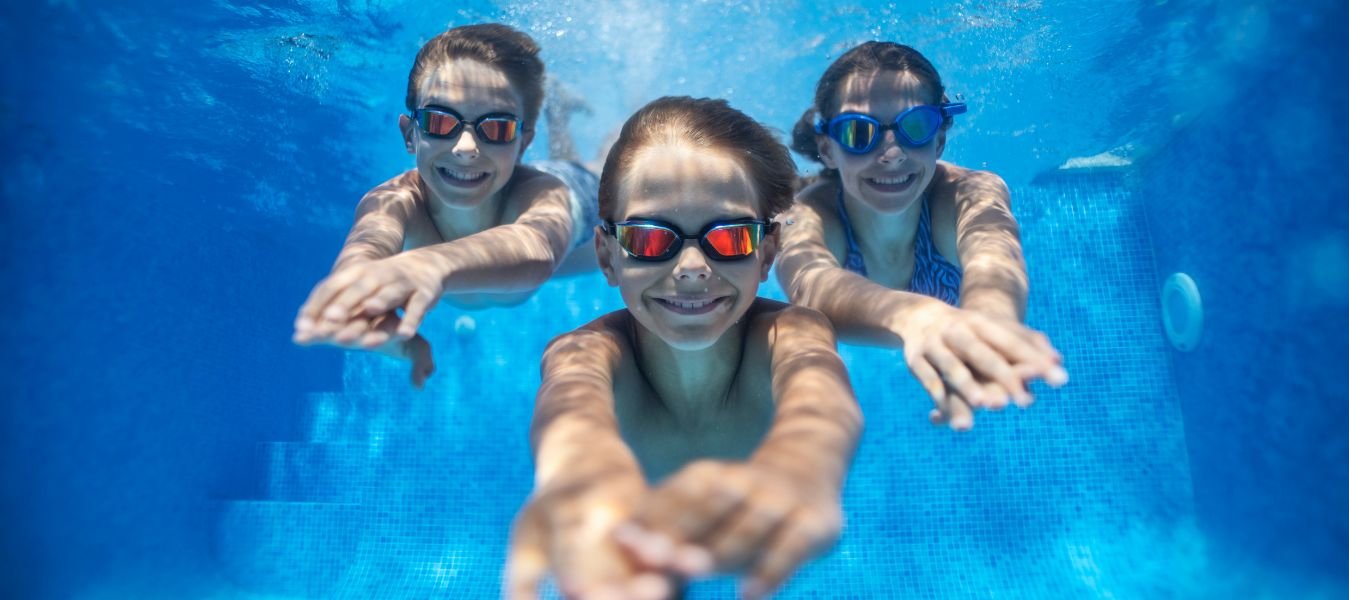
Consider how pool-spa combinations adapt across family life stages. What begins as “for the parents” often becomes a post-practice recovery spot for teenage athletes using jets to ease sore muscles. What starts as “for the kids” might transform into an early morning meditation space for the parent who discovers they love solitary lap swimming before anyone else wakes.
This adaptability—this capacity to serve different purposes for different people at different life stages—might be the strongest argument for thoughtful pool-spa design. You’re not just building for right now. You’re creating space that evolves alongside your family.
That requires thinking beyond current needs to anticipate future use. Young families might prioritize safety and supervision sightlines. Empty nesters might emphasize therapeutic jets and minimal maintenance. Multi-generational households might need spaces that accommodate everyone from toddlers to grandparents simultaneously.
The most successful designs build in flexibility from the start. Separate heating systems that let different spaces operate independently. Multiple entry points that accommodate varying mobility needs. Lighting zones that create different moods for different uses. Automation that makes complex systems manageable for whoever ends up responsible for pool care five years from now.
What The Water Actually Remembers
There’s something about moving between pool and spa that creates natural transitions in conversation. The physical movement—climbing out of one, walking a few steps, settling into the other—marks a shift. Lighter topics give way to more serious discussions. Small talk transitions to real talk.
Maybe it’s the warmth relaxing psychological defenses. Maybe it’s the smaller space creating natural intimacy. Maybe it’s simply that people who’ve been swimming together have already broken through some invisible barrier.
Whatever the mechanism, it matters. The pool-spa combination becomes more than just two bodies of water sharing space. It becomes a sequence—an experience with natural progression from energetic to contemplative, from individual to collective, from surface to depth.
That’s what makes the investment worthwhile, ultimately. Not just the property value increase or the entertainment capacity or even the wellness benefits, though all those exist. It’s the accumulated moments—the conversations, the laughter, the quiet companionship—that happen because you created space that invites them.
The water doesn’t remember. But the people in it do.
Ready to design your family’s ultimate relaxation space?
Aqua Elite Pools™ specializes in pool-spa combinations that adapt to your family’s evolving needs. Our process begins with understanding how you’ll actually use the space—not just how it should look. Because the best designs serve life as it’s lived, not just photographed.