
Imagine standing in your backyard on a Saturday morning, coffee in hand, watching contractors work on what should have been your dream pool. Except something feels wrong. The placement isn’t quite what you pictured. The equipment is louder than expected. Water is pooling near your foundation after last night’s rain.
That sinking feeling—the one that whispers “we should have asked more questions”—is something no homeowner should experience.
After fifteen years of building pools throughout Winter Garden, Windermere, Dr. Phillips, Lake Nona, Celebration, and Winter Park, I’ve seen just about every mistake possible. Some are minor inconveniences. Others are structural nightmares that require complete reconstruction. Most fall somewhere in between—fixable, but at a cost that makes you wish you’d done it right the first time.
The thing about pool design mistakes in Central Florida is that they’re expensive to fix and impossible to ignore. You can’t just decide not to use your pool. It’s sitting there in your backyard, reminding you every single day that something could have been done better.
Here’s what you need to know before you sign anything, before you break ground, before you make a decision you’ll have to live with for the next twenty years.
The Foundation Mistakes (The Ones That Haunt You)
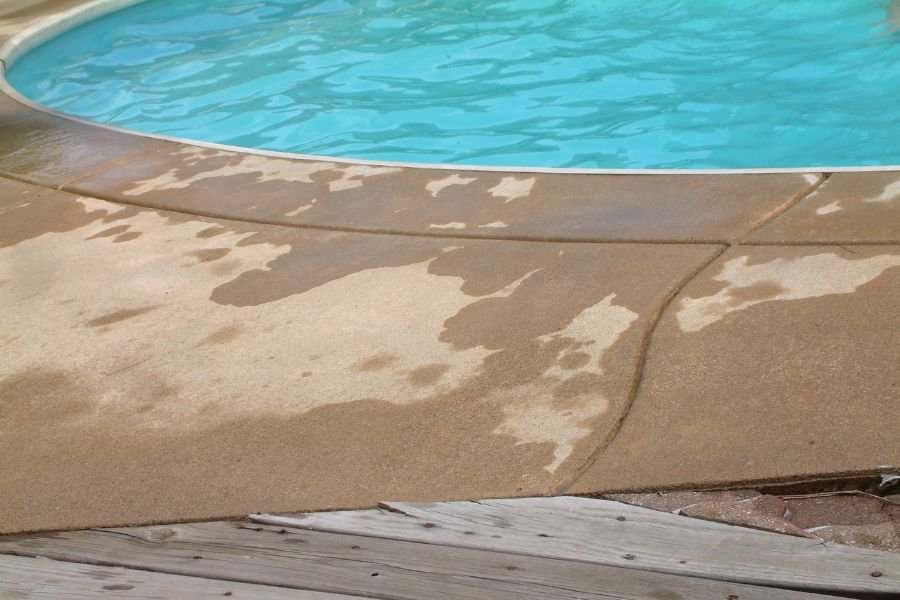
Ignoring soil conditions and water table levels: Central Florida sits on limestone and sand, with a water table that can rise and fall dramatically depending on the season. Pools can literally float out of the ground after heavy rains when builders skip proper soil testing and engineering. Your contractor should be conducting soil tests and designing the shell structure specifically for your property’s conditions—especially critical in areas like Winter Park and Celebration where soil composition varies significantly from lot to lot. If they’re not discussing this in your initial consultation, that’s your first red flag.
Skipping the engineering review: Florida has specific codes for pool construction, especially regarding hurricane resistance and wind load. A properly engineered pool isn’t just about aesthetics—it’s about surviving the next major storm that inevitably arrives. Every custom pool should have stamped engineering drawings. No exceptions. This is particularly crucial in premium neighborhoods like Windermere and Dr. Phillips where property values demand construction that lasts.
Inadequate drainage planning: Water wants to go somewhere, and if you don’t tell it where, it’ll make its own decisions. Poor drainage around your pool leads to flooding, foundation erosion, and damage to your home. The ground should slope away from structures, with proper drainage channels designed into the deck. In Central Florida’s heavy rain season—when afternoon storms can dump inches in an hour—this isn’t optional, it’s survival.
Wrong shell material for your situation: Gunite, fiberglass, and vinyl each have their place, but they’re not interchangeable. Fiberglass works beautifully for certain applications but limits your shape options. Gunite offers complete customization but requires more maintenance. Vinyl is budget-friendly but doesn’t hold up as well in Florida’s intense UV exposure. The right choice depends on your specific needs, not just your contractor’s preference or profit margin.
The Design Mistakes (The Ones You See Every Day)
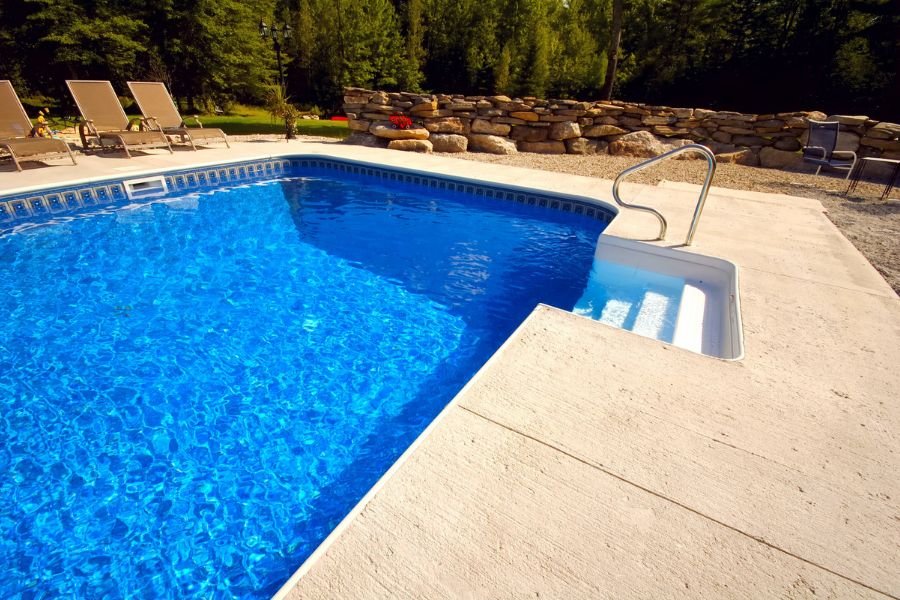
Ignoring sun exposure patterns: Your pool’s orientation matters more than most people realize. Position it wrong, and you’ll have algae problems on the north side and blinding afternoon glare on the west. Smart design considers where the sun hits throughout the day and across seasons. Consider how the mature oak trees common in Winter Park neighborhoods will affect sun exposure versus the more open lots typical of newer Lake Nona developments.
Wrong size for your lot: Picture a pool that overwhelms a small yard or one that looks lost in a large space. The general rule is that your pool should occupy no more than 25% of your backyard, leaving room for deck, landscaping, and actual yard space. But rules are just starting points—the right size depends on how you’ll actually use the space and what else you want in your outdoor area. The larger lots common in Windermere allow for different possibilities than the more compact yards in some Celebration neighborhoods.
Inadequate deck space: The pool itself is only part of the experience. You need room for chairs, tables, grilling areas, and traffic flow. A common mistake is maximizing pool size while minimizing deck space, creating a cramped area where people can’t comfortably gather. Plan for at least four feet of decking on all sides, more if you’re entertaining regularly.
Poor entry and exit placement: Where you put steps, ladders, and benches affects how your pool functions every single day. Entry points should be convenient from your home and positioned to avoid traffic jams when multiple people are using the pool. Benches should be in shaded areas if possible. Steps should be wide enough for two people to pass comfortably.
Forgetting about equipment visibility: Pool equipment isn’t attractive, and installations that place the pump, filter, and heater in the most visible spot in the yard create an industrial look that conflicts with the resort aesthetic most homeowners want. Smart design hides equipment behind fencing or landscaping while still allowing access for maintenance. Your pool should look like a resort, not a mechanical room.
The Material Mistakes (The Ones That Cost You Later)
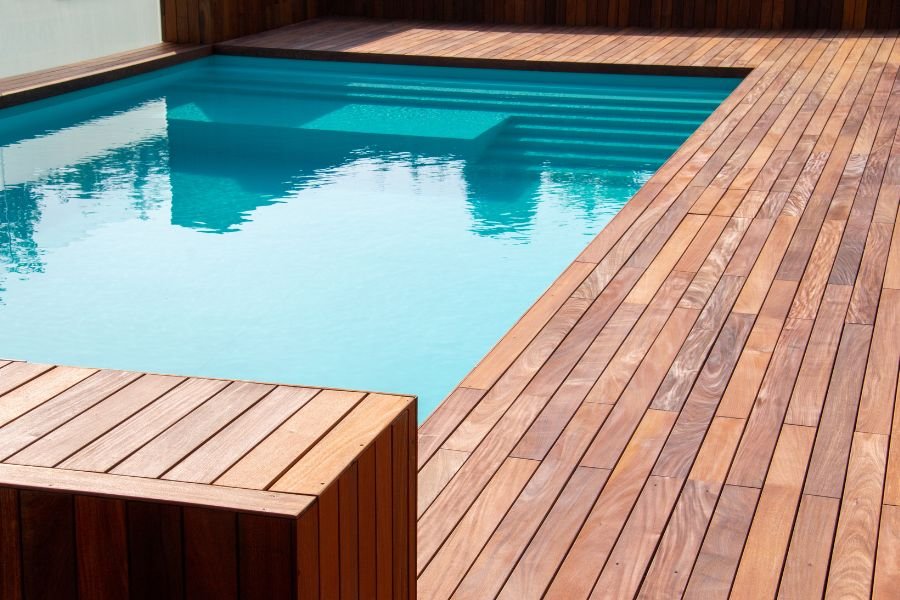
Choosing deck material based on looks alone: That gorgeous dark travertine looks amazing in the showroom, but in Florida’s sun, it becomes too hot to walk on barefoot. Deck material needs to balance aesthetics with practicality—heat retention, slip resistance, durability in UV exposure, and maintenance requirements all matter. This is especially important in Central Florida where your pool sees use nearly year-round.
Skimping on coping quality: The coping—the cap that goes around your pool’s edge—takes constant abuse from sun, water, and people sitting on it. Cheap coping cracks, shifts, and deteriorates quickly in Florida’s climate. This isn’t where you want to save money. Quality coping is an investment in your pool’s longevity and appearance, particularly important in high-value areas like Dr. Phillips and Winter Garden where your pool contributes significantly to property value.
Wrong tile selection for waterline: The waterline tile isn’t just decorative—it’s functional, protecting your pool surface from calcium buildup and making cleaning easier. But not all tile is created equal. Porcelain and glass tiles hold up better than ceramic in Florida’s conditions. Size matters too—smaller tiles follow curves better, while larger tiles work for straight lines.
Ignoring finish durability: That beautiful aggregate finish looks stunning when it’s new, but consider how it will look in five years. Ten years. Some finishes hold color better in Florida’s intense UV. Some are rougher on feet. Some require more maintenance to keep looking good. Consider long-term appearance, not just initial impact.
Choosing cheap plumbing: The plumbing system is buried under concrete and deck. If it fails, you’re excavating to fix it—a nightmare scenario that disrupts your entire outdoor space. Using quality PVC, proper fittings, and correct pipe sizing isn’t expensive insurance—it’s essential infrastructure. This is not the place to accept value engineering.
The Feature Mistakes (The Ones You Regret or Miss)
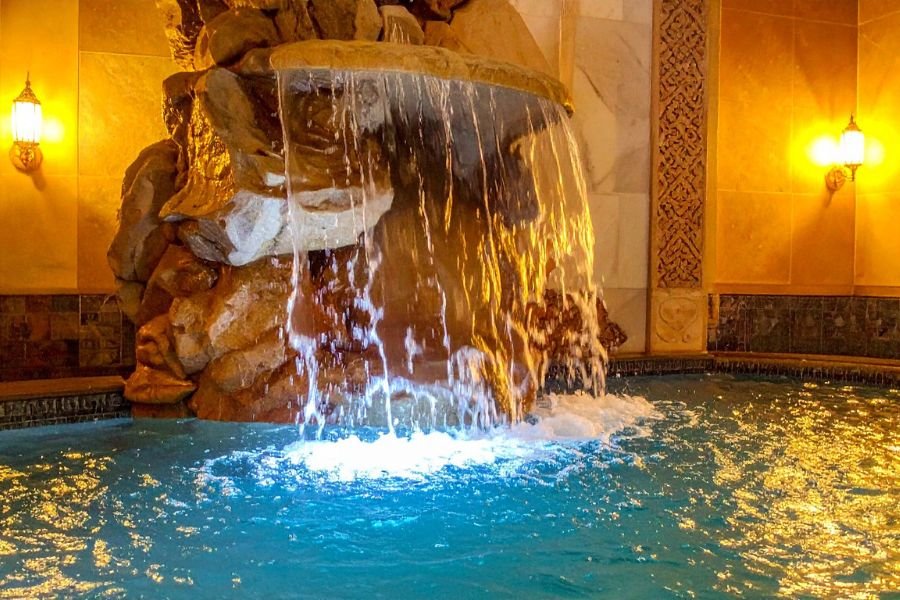
Adding features you won’t actually use: Waterfalls are beautiful, but they require maintenance and increase your water bill through evaporation. Diving boards seem fun until nobody’s used them in three years. Beach entries look resort-like but take up significant space and shallow water warms quickly, promoting algae. Be honest about your lifestyle and what you’ll realistically use.
Skipping features you’ll wish you had: The inverse is equally true. That LED lighting system seems expensive until you’re hosting your first evening gathering and realize your pool is just a dark hole in your yard. Salt systems cost more upfront but save money and hassle long-term. Automation seems like luxury until you’re manually adjusting everything daily.
Undersized heating systems: If you’re adding a heater, size it properly. An undersized heater will run constantly, costing more to operate while barely keeping up. In Central Florida, you don’t need heating year-round, but when you want it during cooler winter months, you want it to actually work. Calculate based on your pool volume and desired temperature range.
Poorly placed lighting: Pool lights aren’t just about seeing at night—they’re about creating ambiance and safety. Lights should illuminate steps and entry points clearly while creating beautiful reflections. Common mistakes include too few lights (dark spots), wrong placement (glare), or choosing fixtures that are difficult to service.
Ignoring sound considerations: Water features create ambient sound, which can be soothing or annoying depending on proximity to bedroom windows. Equipment noise matters too—that pump you barely notice during the day becomes a roar at night when you’re trying to sleep. Consider sound impact when planning placement of features and equipment, particularly important in the closer-set homes of newer developments.
The System Mistakes (The Ones That Cost You Money)
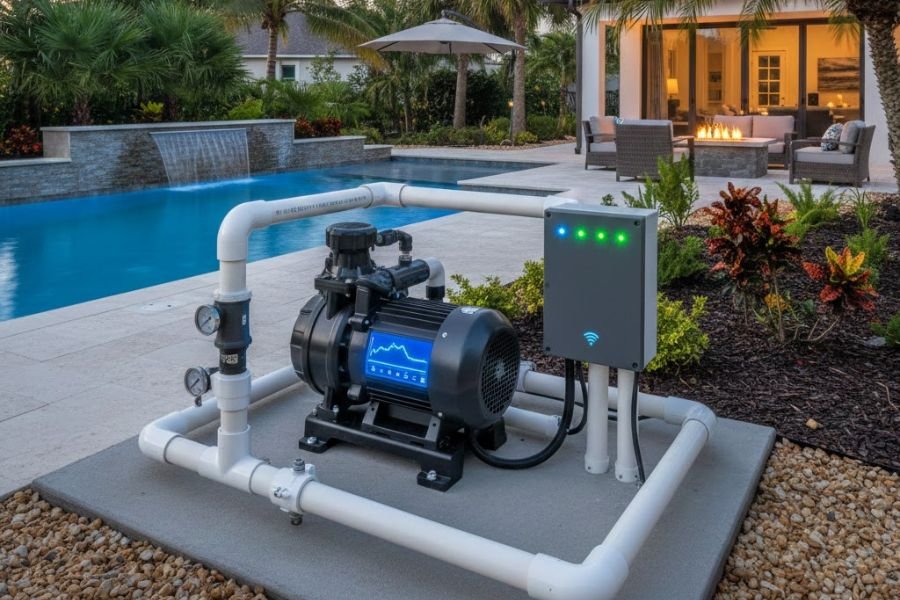
Undersized filtration systems: Your filter should turn over your entire pool volume at least twice daily. Undersizing saves money initially but costs you in cloudy water, increased chemical use, and shorter equipment life. The filtration system is your pool’s lungs—don’t give it asthma to save a few hundred dollars.
Wrong pump size or speed: Variable-speed pumps cost more upfront but can cut your energy costs by 70% or more over single-speed pumps. In Florida, where pools run year-round, this adds up quickly. But even variable-speed pumps need to be sized correctly for your pool volume and plumbing design. Too small and you have circulation issues. Too large and you’re wasting energy and money.
Inadequate sanitation planning: Chlorine tablets in a floater might be simple, but they’re not optimal. Modern sanitation systems—salt chlorination, UV sterilization, ozone systems—offer better water quality with less chemical handling. These systems cost more initially but often pay for themselves in reduced chemical costs and improved swimming experience.
Skipping automation: Pool automation might seem like luxury, but in Florida’s climate where water chemistry can shift quickly, having automated control of temperature, sanitization, and circulation prevents problems before they start. You can monitor and adjust everything from your phone, catching issues before they become expensive repairs.
Poor circulation design: Your return jets should create circular water flow, pushing water through the skimmer and preventing dead spots where debris accumulates. Many builders place returns based on convenience rather than hydrodynamics, creating pools that never circulate properly and require constant manual cleaning.
The Aesthetic Mistakes (The Ones You Stare At)
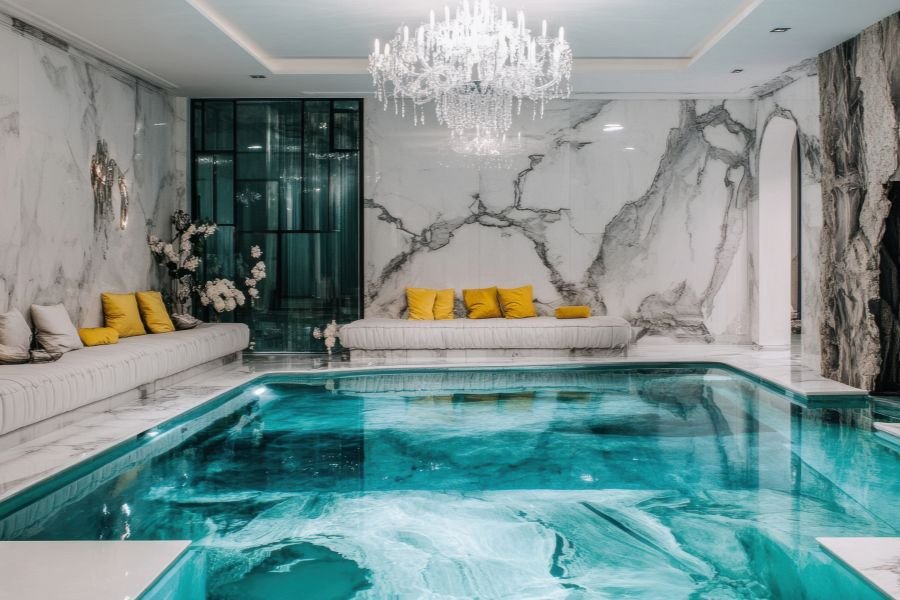
Trendy colors that date quickly: That bright turquoise interior might be on-trend today, but pool finishes last 10-20 years. Classic blues, grays, and whites don’t scream “built in 2025” the way bold colors might. Consider whether you’re willing to live with your color choice for two decades or pay to refinish earlier.
Mismatched materials: Your pool should complement your home’s architecture and existing hardscape, not compete with it. The Mediterranean-style homes common in Winter Garden call for different materials than the modern designs popular in Lake Nona. The goal is cohesion—making your pool look like it was always meant to be there.
Ignoring scale and proportion: Large water features overwhelm small pools. Tiny spillways disappear in large installations. The size of decorative elements should be proportional to the overall pool size and the viewing distances from your home and deck areas.
Forgetting about landscaping integration: Your pool shouldn’t look like it was dropped into your yard. Thoughtful landscaping creates the frame that makes the pool shine. Consider sightlines from inside your home, how plants will look year-round, and maintenance requirements. In Florida, you want something attractive that won’t drop constant debris into your water.
Neglecting nighttime appearance: Your pool should look as good at night as it does during the day. Landscape lighting, path lighting, and architectural lighting create dimension and drama after dark. Many pools are used more in evening hours, especially during Florida’s hot summers, making nighttime aesthetics particularly important.
The Practical Mistakes (The Ones That Frustrate You Daily)
Insufficient electrical planning: Adding outlets later is expensive. Plan for adequate 110V outlets around your pool for cleaners, lights, sound systems, and devices. Make sure your electrical panel can handle your pool equipment load plus future additions. Upgrade capacity now rather than later when it requires trenching through finished deck.
Poor equipment pad location: Equipment should be accessible for maintenance but out of sight and earshot from primary outdoor living areas. It should be close enough to the pool to minimize plumbing runs but not so close that it’s intrusive. A well-placed equipment pad saves money on installation and improves your daily experience.
Forgetting about hose bibs and water access: You’ll need to add water to your pool regularly. Having a hose bib near your equipment or deck saves countless trips around your house. While you’re planning, consider where you’ll drain your pool for service and whether your drainage system can handle it.
Inadequate storage planning: Pool toys, chemicals, cleaning equipment, and furniture cushions need somewhere to go. Building in storage—a separate shed, built-in deck boxes, or dedicated closet space—keeps your pool area organized and functional.
Ignoring future maintenance access: Every component in your pool will eventually need service or replacement. Burying equipment behind permanent structures or designing decorative features that can’t be removed makes future maintenance exponentially more difficult and expensive.
The Process Mistakes (The Ones That Derail Everything)
Choosing contractor based on price alone: The lowest bid often comes from the contractor who’s either desperate for work or doesn’t understand what your project actually requires. Either scenario leads to problems. Consider experience, references, licensing, insurance, and your comfort level with the team, not just the bottom-line number. This matters especially in premium communities throughout the Orlando area where quality standards are high.
Skipping the detailed contract: Your contract should specify everything—materials by brand and model, timeline with milestones, payment schedule tied to completion points, warranty details, and change order processes. Vague contracts lead to disputes. Detailed contracts protect everyone and ensure shared expectations.
Not verifying licenses and insurance: Florida requires pool contractors to be licensed. Verify that license is current and check for complaints with the state licensing board. Confirm they carry adequate liability insurance and workers’ compensation. If someone gets hurt on your property and they’re uninsured, you could be liable.
Accepting vague timelines: “Three to four months” isn’t a timeline—it’s a guess. Your contract should include specific start and completion dates with milestone targets for excavation, steel, plumbing, concrete, and finishing. Weather and unforeseen issues happen, but having a structured schedule keeps projects on track.
Failing to understand the payment schedule: Be cautious of contractors who want large deposits upfront or payment schedules that get ahead of work completion. Standard practice is 10% deposit, with progress payments tied to specific milestones. Never make a final payment until you’ve verified everything is complete and functioning properly.
Not planning for disruption: Pool construction is messy, loud, and intrusive. Your yard will be torn up for weeks or months. Discuss with your contractor how they’ll minimize impact—protecting existing landscaping, containing dust and noise, managing equipment and material staging, and cleaning up daily.
The Geographic Mistakes (The Ones Specific to Florida)
Ignoring hurricane preparedness: Your pool should be designed to survive hurricanes. This means proper drainage to handle overflow from extreme rain, equipment secured against wind damage, and structure engineered for wind load. Know how to prepare your pool before a storm—proper water level, removing accessories, securing furniture.
Wrong plants for the pool environment: Not all Florida plants work well near pools. Some drop excessive debris. Others have invasive root systems that damage pool structures. Some shed leaves that stain decks. Choose plants that tolerate chlorine splash, don’t drop constant debris, and have non-aggressive root systems. The established landscapes in Winter Park neighborhoods offer good examples of mature plantings that work well around pools.
Forgetting about lightning safety: Florida is the lightning capital of the United States. Your pool should have proper grounding, and you should have a clear lightning safety protocol. This isn’t just about equipment protection—it’s about life safety for anyone using your pool.
Inadequate screening or enclosure planning: Many Central Florida pools include enclosures to keep out bugs and debris while maintaining airflow and views. If you’re considering an enclosure, plan for it from the beginning. Adding one later is more expensive and may require modifications to your existing structure.
Ignoring alligator considerations: In Central Florida, if you back up to water, alligators are a reality. Proper fencing isn’t just for child safety—it’s for keeping unwanted wildlife out of your pool area. This is particularly important in areas like Celebration and Lake Nona where developments border conservation areas and natural wetlands.
What This Really Means
Consider what happens when fundamental mistakes make it into your pool construction: they’re not like painting your living room the wrong color. You can’t just wait a few years and redo it when you’re ready. Your pool becomes part of your property’s infrastructure, integrated with drainage, electrical systems, and landscaping. Fixing fundamental mistakes often costs more than building it right initially.
The contractors who build pools correctly in Central Florida understand that this isn’t just about digging a hole and filling it with water. It’s about engineering a structure that can withstand hurricane-force winds, torrential rains, intense UV exposure, and daily use for decades. It’s about creating something beautiful that also functions flawlessly in one of the most challenging climates for outdoor structures.
Throughout Winter Garden, Windermere, Dr. Phillips, Lake Nona, Celebration, and Winter Park, the pools that stand the test of time share common characteristics: thoughtful engineering, quality materials, proper system design, and construction by teams who understand Florida’s unique demands.
You deserve a pool that enhances your life rather than complicating it. One that adds value to your home rather than becoming a liability. One that creates memories rather than regrets.
The mistakes outlined here aren’t theoretical—they’re real problems that have affected countless pool owners over the years, each one representing a lesson learned and an opportunity to build better next time. My hope is that reading about them prevents you from experiencing the same setbacks.
When you’re ready to start your pool project, talk with builders who understand Central Florida’s unique requirements. Ask about soil testing, engineering, drainage, and all the systems that make a pool function properly. Request references and visit completed projects. Look at pools that are five or ten years old, not just the beautiful new ones in the showroom photos.
The right pool, built correctly, transforms your outdoor living space and becomes the backdrop for family memories that last a lifetime. The difference between a pool that delights you daily and one that frustrates you comes down to making informed decisions before construction begins.
At Aqua Elite Pools™, we value our reputation on preventing these mistakes before they happen. We engineer every pool specifically for Central Florida’s climate, proper circulation design, and systems sized correctly for your unique situation. Our detailed contracts specify every material by brand and model, with clear timelines and milestone-based payments that protect your investment. We don’t just build pools—we create outdoor living spaces engineered to perform flawlessly for decades while adding genuine value to your home. The pools we construct today become the gathering places families remember twenty years from now, built right the first time so you never experience that sinking feeling of costly mistakes.
Choose wisely. Build it right. Enjoy it forever.