
There’s something about driving through Lake Nona on a Saturday morning that makes you notice backyards differently. The contemporary architecture, those clean horizontal lines, the way glass and steel frame deliberate spaces. And when you catch a glimpse of a backyard pool—the ones that stop you aren’t the ones trying to look like lagoons or natural springs. They’re the rectangles. Pure geometry. Unapologetic man-made beauty that doesn’t pretend to be anything other than exactly what it is.
That’s the essential truth about rectangle pool designs: they don’t apologize for being artificial. They celebrate it.
Why the Rectangle Never Goes Out of Style
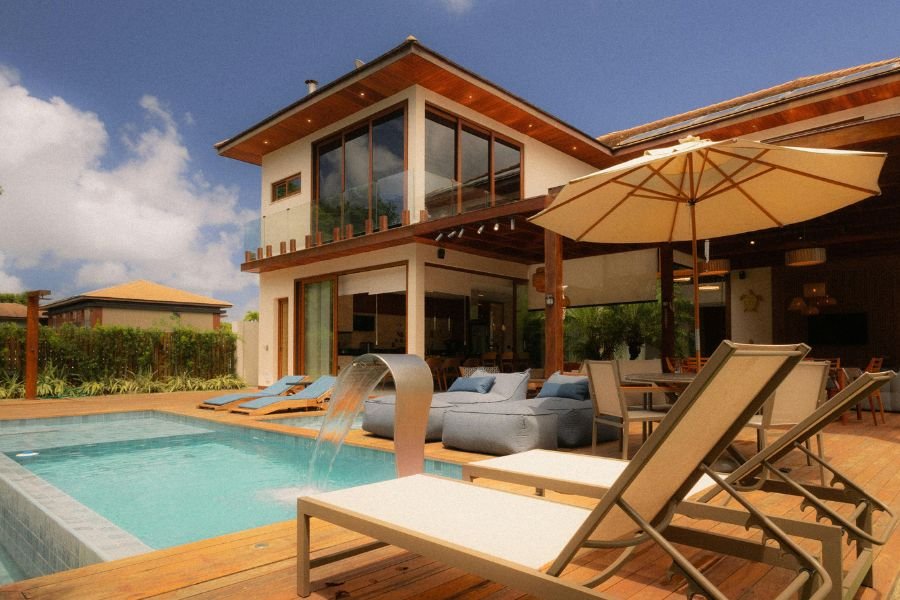
Pool design trends move like weather patterns across Central Florida. Freeform shapes promised tropical paradise. Lagoon styles dominated magazine spreads. Beach entries became the must-have feature. But through every shift in what’s fashionable, the rectangle persists—not because it’s safe, but because it’s honest.
A rectangle pool tells the truth about its purpose: a place to swim, to cool off, to gather on summer evenings when the Florida heat lingers past sunset. It doesn’t mime nature or pretend your backyard is something it’s not. It’s a pool. A really, really good one.
The dimensions follow function in ways that matter when you’re actually in the water. Standard rectangles typically measure 12 by 24 feet for smaller yards, scaling up to 20 by 40 feet when space allows. These proportions aren’t arbitrary—they create consistent depth zones, true walls for push-offs during lap swimming, predictable space that encourages actual swimming rather than just splashing around the edges.
Consider what this means for daily use: children building swimming confidence with clear sightlines and steady depths. Adults fitting in morning exercise before work. Weekend gatherings where people actually use the full length of the pool rather than clustering in shallow corners because the rest of the space feels uncertain.
The Architecture Speaks a Language
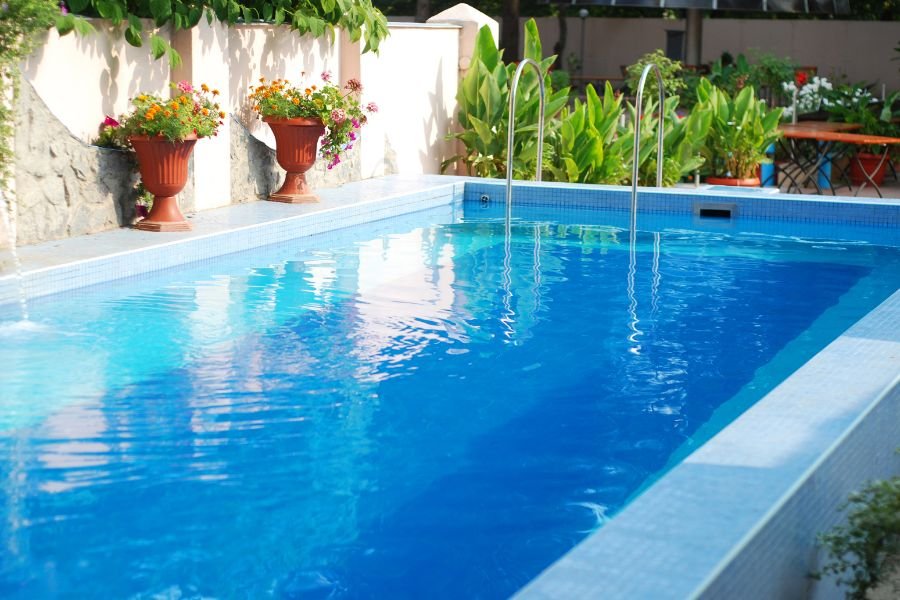
Modern homes in Winter Park and Celebration share a design vocabulary—clean lines, deliberate angles, an honesty about materials and form. These architectural choices create a visual rhythm, and your pool should contribute to that rhythm rather than interrupt it.
Picture a contemporary home with floor-to-ceiling windows, minimalist landscaping, horizontal planes echoing the flat Florida landscape. Now imagine introducing a pool designed to look like it erupted naturally from volcanic rock. The disconnect is jarring. The spaces no longer speak to each other.
A rectangle pool completes the architectural sentence. The parallel edges align with property lines and building faces. The right angles echo rooflines and patio corners. The water becomes a reflective plane that mirrors sky and structure, creating visual continuity between house and yard.
On still mornings, that reflection transforms the pool from a swimming vessel into an architectural element—a horizontal mirror that extends the clean lines of your home out into the landscape. The geometry creates harmony rather than competing for attention.
Space Efficiency in Real Central Florida Yards
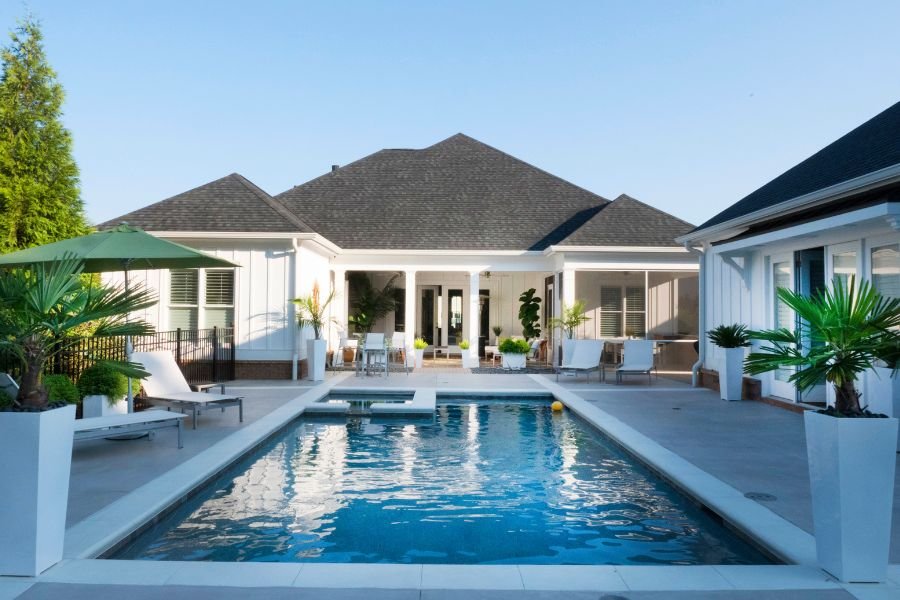
Most residential lots in Winter Garden, Windermere, and Dr. Phillips aren’t sprawling estates. They’re well-designed spaces where every square foot needs to earn its place. After accounting for the house footprint, setback requirements, air conditioning equipment, and the actual lawn space families need, you’re often working with 40 to 50 feet of usable backyard depth.
A rectangle makes that limited space work harder than any other pool shape can.
Consider the geometry: no wasted corners where curves create unusable slivers of yard. No kidney bean edges that leave awkward triangles too small for furniture but too prominent to ignore. Just efficient, swimmable square footage that coexists with outdoor kitchens, fire pits, play areas, and the other elements that make a backyard livable beyond just the pool.
The cleaning efficiency matters more than most people realize when they’re in the design phase. Automatic pool cleaners navigate rectangles without confusion. There are no odd angles where debris accumulates. The predictable shape means lower maintenance time and costs—a practical consideration that compounds over years of ownership.
Variations That Respect the Form
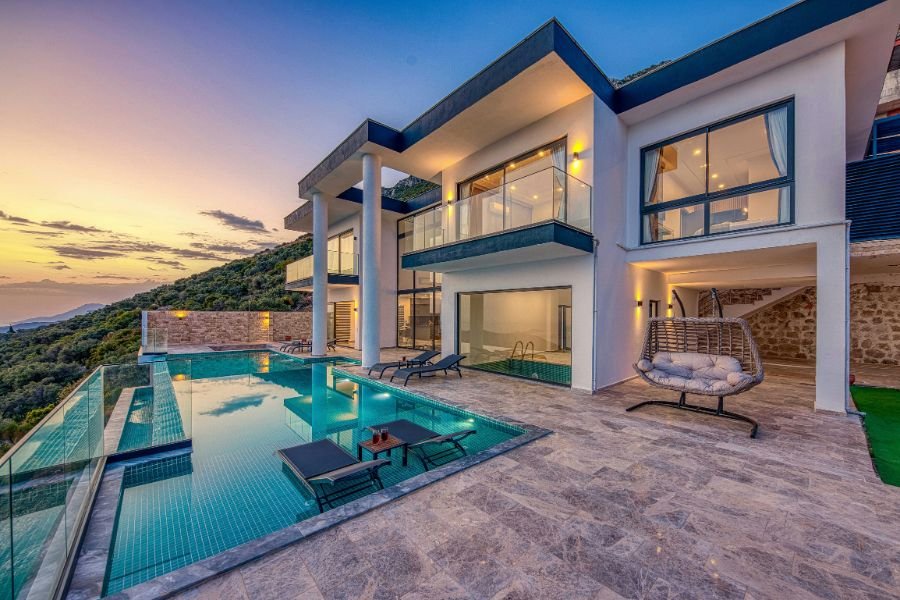
The strength of the rectangular form is that you can modify it without losing what makes it work.
The L-Shape: Extend one corner to create a shallow lounge area or integrated spa while maintaining the primary swimming lane. You gain social space that feels distinct but connected—perfect for households where some people want to swim laps while others prefer sitting in water with a book.
Split-Level Design: Two depths with one clean transition line. The shallow zone serves young children and lounging; the deep end enables actual swimming. That transition becomes an architectural feature rather than something hidden—visible, intentional, honest about the pool’s different functions.
Infinity Edge Treatment: On sloped lots, one side can drop away to create the visual effect where water meets sky. The engineering requirements for infinity edges demand precision in wall construction, and the rectangular form provides that structural integrity better than curved alternatives.
Integrated Spa Section: Rather than a separate circle awkwardly attached to the side, imagine a raised rectangle at one end—same materials, same lines, just elevated six inches and heated independently. Water spills from the spa into the main pool in a deliberate cascade. The integration feels natural because the geometry is consistent.
Material Quality Becomes Visible
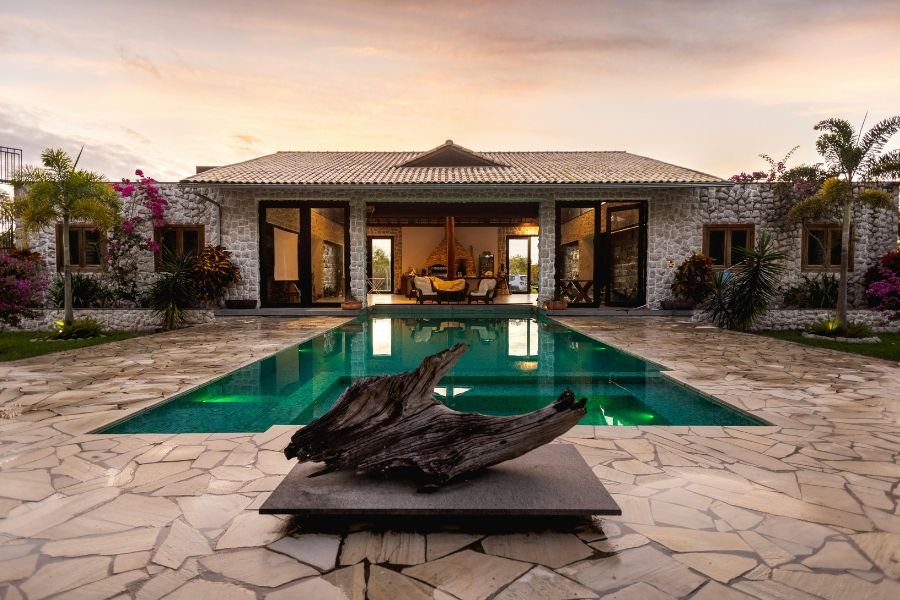
Here’s where the rectangle reveals something important about design: when you eliminate visual distraction, quality becomes obvious.
Freeform pools can hide finish imperfections behind curves and random edges. The eye stays busy following the shape, noticing the rocks, tracking the irregular perimeter. With a rectangle, there’s nowhere to hide. The finish, the coping, the waterline tile—they’re all on display, all the time.
This visibility demands better choices. Premium plaster finishes that maintain color and texture through years of Florida sun. Natural stone coping that ages gracefully rather than deteriorating. Properly leveled waterline tile that catches light without revealing installation flaws.
Pennsylvania bluestone makes exceptional coping for Central Florida pools—it doesn’t retain enough heat to burn bare feet during summer, it develops a beautiful patina over time, and the gray-blue tone complements virtually any home exterior. The thermal properties alone justify the investment when you consider how many months of the year your pool deck becomes a primary living space.
The waterline tile is where many builders cut corners, assuming you won’t notice. You will. The tile line is visible from inside the pool, from the deck, from your house windows. Premium porcelain or glass tiles cost significantly more than builder-grade ceramic, but they resist fading, thermal cracking, and the film buildup that cheaper materials develop after seasons of sun exposure.
The rectangle makes these quality investments visible, which means they matter more—and pay back in long-term satisfaction.
The Swimming Part Actually Matters
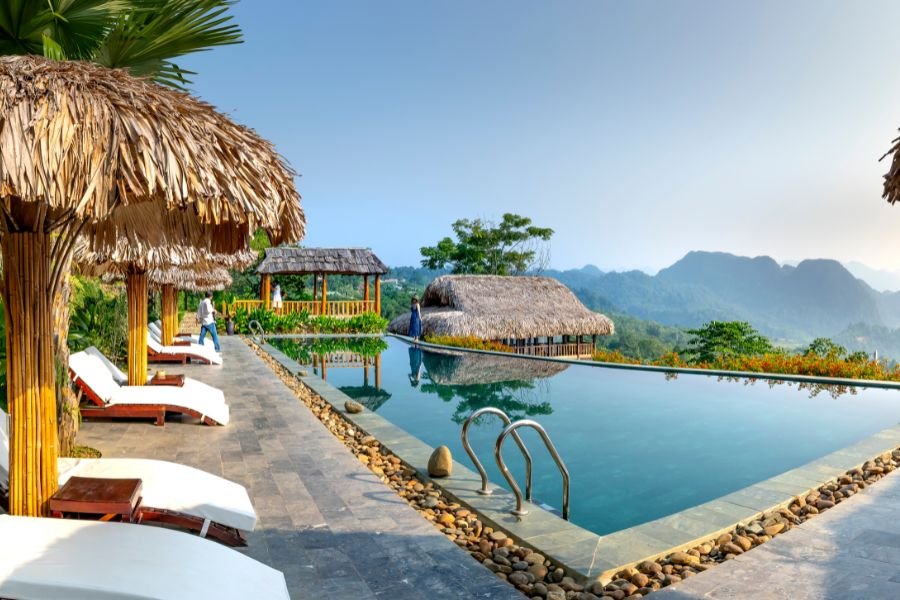
It’s easy to get caught up in aesthetics and forget: pools are for swimming.
Imagine trying to swim laps in a kidney-shaped pool. The curves interfere with your stroke. The varying width means constant adjustment. The irregular depths make it hard to establish rhythm. You end up splashing around rather than actually swimming.
A rectangle gives you lanes—functional space where you can count strokes, measure progress, build endurance. Mark the bottom with a few tiles at 25-meter intervals, and suddenly you have a training pool that makes early morning swims feel purposeful rather than aimless.
The true walls allow proper push-offs during turns. The consistent depth in each zone means you’re not adjusting your stroke every few feet. The clear sightlines let you judge distances and time your breathing. These details might seem minor when you’re looking at design renderings, but they become significant when you’re the one in the water, trying to fit exercise into a busy morning.
For households with competitive swimmers, this functionality becomes essential. For adults using the pool for fitness rather than just recreation, it transforms the pool from amenity to tool.
Property Value Considerations
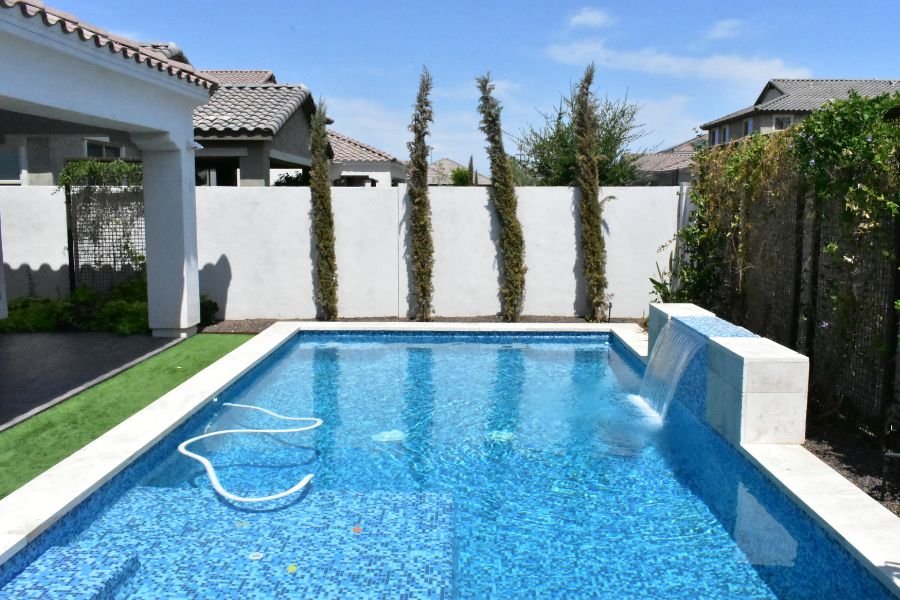
The financial reality: a well-executed rectangle pool with quality materials and proper construction typically adds $50,000 to $120,000 to home values in the Orlando metro area. That “well-executed” qualifier carries weight.
Real estate professionals consistently observe that buyers respond positively to pools that signal both quality construction and low-maintenance design. The rectangle delivers both messages. It suggests intentional design choices rather than impulsive decisions. It photographs beautifully for listings. It stands out in markets saturated with similar freeform designs.
Recent market analysis from Central Florida shows homes with rectangle pools often sell faster and closer to asking price compared to similar homes with more casual pool designs. The exception occurs in neighborhoods where freeform is the established norm—but even there, a sharp rectangle can differentiate a listing in a sea of similar properties.
The maintenance story matters to buyers more than many sellers realize. Lower anticipated cleaning costs, predictable upkeep, straightforward automation—these practical considerations surface during inspections and buyer due diligence. Inheriting a complicated pool feels like inheriting a problem.
Common Design Mistakes to Avoid
Certain errors appear repeatedly in rectangle pool projects, and they’re worth understanding before you break ground.
Proportions that overwhelm the space: Installing a 40-foot pool in a 50-foot yard leaves insufficient room for circulation, furniture, planting areas, or visual breathing space. The pool should enhance the yard, not consume it entirely.
Depth without purpose: Automatically going 8 feet deep because it’s possible isn’t the same as going 8 feet deep because your household needs it. Unless you’re installing a diving board—and most Central Florida counties no longer permit them on residential properties—excessive depth wastes money on construction and increases heating costs without adding functional value.
Compromising on finish quality: Saving $3,000 on plaster might seem prudent during construction, but that decision reveals itself every time you look at the water. The pool finish is the most visible element of your pool—it should be beautiful, not merely adequate.
Ignoring solar orientation: The rectangle should be positioned to maximize sun on areas where people will actually spend time while minimizing it on features like spas that benefit from staying cooler. This seems obvious but gets overlooked with surprising frequency.
Poor equipment planning: Pumps, heaters, filters, and controllers need physical space that’s accessible but not prominently visible. Plan for proper screening, maintenance access, and acoustic buffering. Pool equipment is necessary but loud and unsightly—plan accordingly.
Customization Within the Form
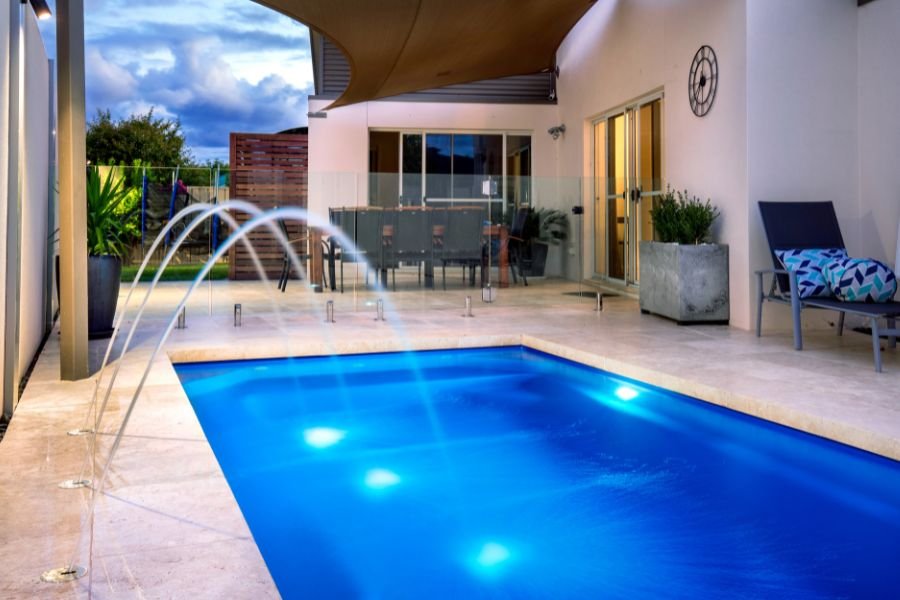
The rectangular form provides a canvas for personalization without sacrificing its essential clarity.
Underwater Lighting: LED systems can transform the rectangle from daytime recreation space to nighttime architectural element. Multiple color options exist, but cool white typically provides the most timeless, elegant effect. Color-changing features tend to get used enthusiastically for the first month, then rarely touched again.
Sheer Descent Spillways: A water feature at one end adds gentle sound and movement without cluttering the clean lines. Water slides into the pool like a glass sheet—simple, effective, and unlikely to feel dated in ten years.
Tanning Ledges: A shallow shelf, typically 6 to 12 inches deep, along one side creates space for lounge chairs positioned half-in, half-out of water. This feature appeals to people who want to cool off without committing to full immersion—a significant portion of actual pool use in practice.
Beach Entry Slopes: A gradual entry from zero depth mimics walking into the ocean. This design costs more to construct and increases maintenance complexity, but for households with very young children or family members with mobility concerns, the accessibility justifies the investment.
Deck Materials: The transition from pool coping to surrounding deck should flow visually rather than create jarring material shifts. Stone coping pairs naturally with stone or complementary paver decking. Travertine remains popular in Florida for legitimate reasons: it stays relatively cool underfoot, resists mildew, and develops an attractive patina over time.
Thinking Long-Term
When you’re choosing a pool design, you’re not making a decision for next summer—you’re making it for the next twenty summers.
Design trends age visibly. The lagoon style that dominated the early 2000s now clearly dates a property. The kidney shapes of the 1970s broadcast their era unmistakably. But a well-proportioned rectangle? It worked fifty years ago, works today, and will work when your children are adults making their own decisions about the home you’ve built.
This longevity isn’t about playing safe—it’s about recognizing that sound design doesn’t need to chase trends because the fundamentals are solid. The proportions are pleasing. The geometry satisfies something essential in how humans perceive space. The function supports the form honestly.
What Rectangular Design Reveals
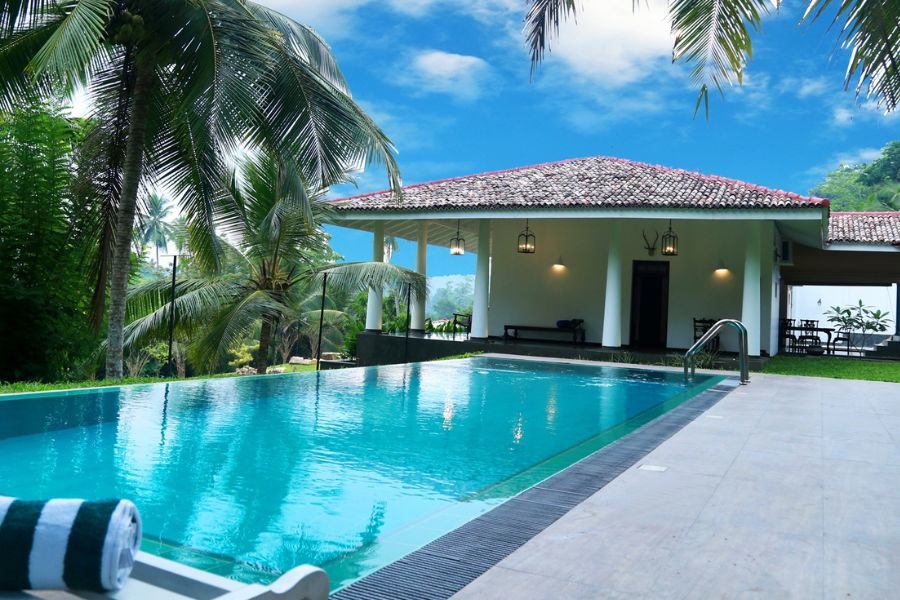
Spend time observing how people actually use pools—not in the first week after construction when everything is novel, but months and years later when the pool has become part of daily life.
Rectangles get used more consistently. Maintained more carefully. Appreciated more deeply over time.
Perhaps it’s because there’s no gimmick to wear off, no novelty to fade. The rectangle doesn’t promise to transport you somewhere else—it invites you to be exactly where you are, but cooler, wetter, more comfortable. On a Tuesday afternoon in July when the Florida heat makes the air feel thick, that’s more than enough.
The clean lines don’t compete with your home’s architecture. They complement it. The predictable space doesn’t try to be something magical. It serves its purpose beautifully. And that honest functionality, that refusal to over-promise, creates something more lasting than any design trick could achieve.
That’s the quiet power of the rectangle—it doesn’t shout for attention because it doesn’t need to. It just works, year after year, summer after summer, creating the backdrop for whatever memories your family decides to make there.
Rectangle Pool Design That Honors Your Home
The rectangle pool isn’t a compromise—it’s a deliberate choice that says you understand the difference between following trends and creating something that lasts. Aqua Elite Pools™ works with families throughout Winter Garden, Windermere, Dr. Phillips, Lake Nona, Celebration, and Winter Park who recognize that the most honest pool design is often the most enduring one. The clean geometry doesn’t try to compete with your home’s architecture or pretend your Central Florida backyard is somewhere it’s not. It simply creates beautiful, functional water that invites actual swimming, supports how you really live, and photographs as well in twenty years as it does the day you fill it.
The conversation about your rectangle pool begins with questions most pool companies never ask: How does morning light move across your yard? What does your home’s roofline want the pool to echo? Will you actually swim laps, or is that an idea that sounds better than it lives? These details shape everything—from orientation and proportions to material selection and the small refinements that make the difference between a pool that works and one that truly belongs. If you’re ready to explore what a rectangle pool might mean for your specific property and lifestyle, let’s start there.